
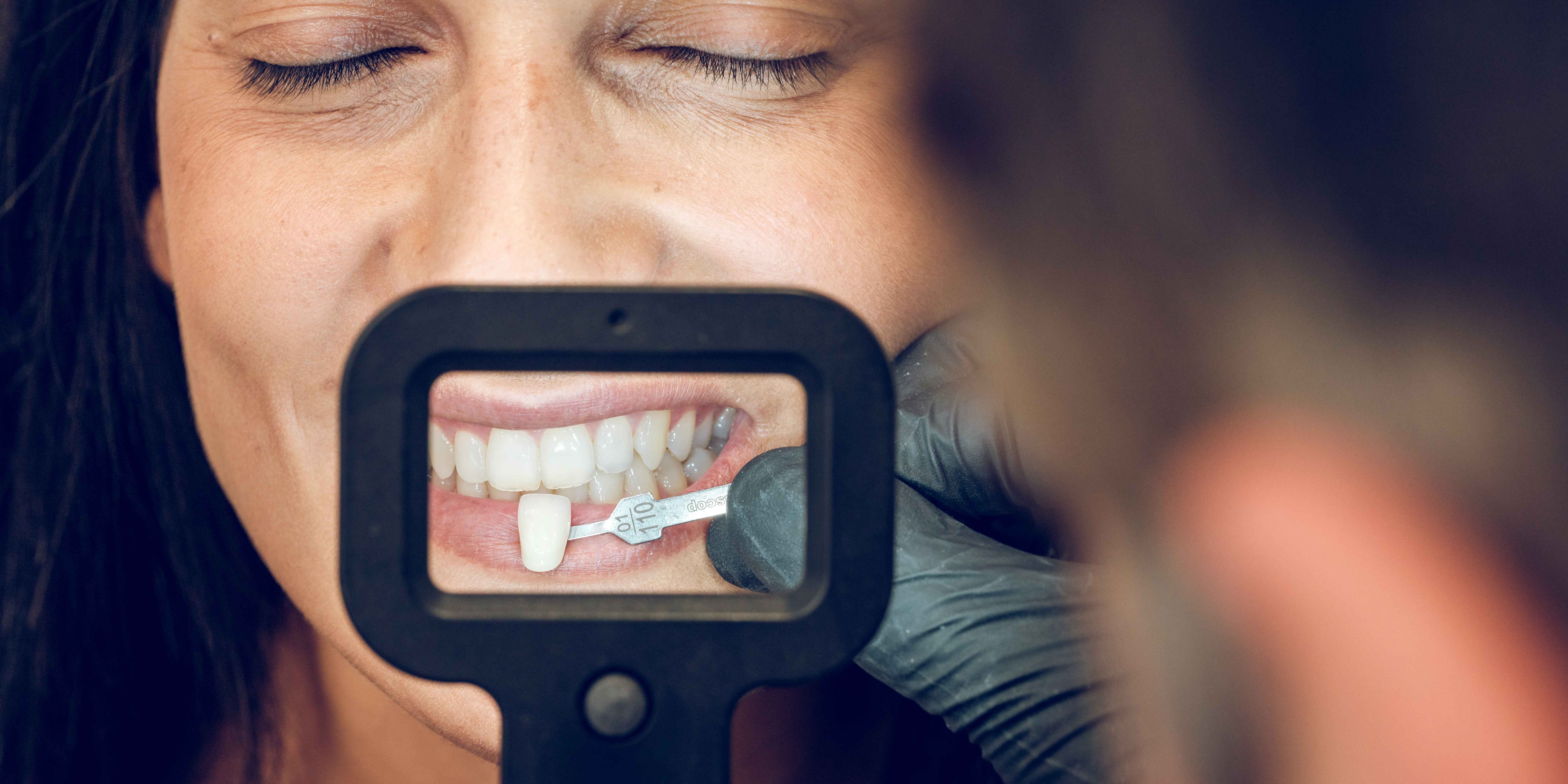
Porcelain veneers can dramatically improve a smile while still creating a natural-looking result. If you are considering porcelain veneers in Washington, DC, you may be wondering what the treatment actually involves, whether your teeth need to be shaved down, how long the process takes, and what your smile will feel like afterward.
At W Plus Dental in Washington, DC, porcelain veneer treatment is carefully planned around your individual teeth, facial features, bite, and cosmetic goals. Rather than simply making teeth whiter, veneers can be customized to improve the color, shape, size, proportions, alignment, and symmetry of your smile.
Here is what you can expect before, during, and after porcelain veneer treatment.
Porcelain veneers are thin, custom-made ceramic restorations that are bonded to the front surfaces of teeth. They are commonly used in cosmetic dentistry to improve teeth that are:
Because porcelain can closely mimic the color, translucency, and light-reflecting properties of natural enamel, well-designed veneers can blend naturally into your smile.
If you are researching veneers in DC, it is important to understand that veneer treatment should involve much more than simply selecting a tooth shade. The shape, thickness, position, texture, translucency, and proportions of each veneer all influence the final result.
Learn more about Porcelain Veneers at W Plus Dental →
The first step is a comprehensive consultation. During your consultation at W Plus Dental, we evaluate your teeth, gums, bite, and overall oral health while discussing what you would like to change about your smile.
Everyone has a different idea of what makes a smile attractive. Some patients want a brighter and more symmetrical smile, while others are mainly concerned about one specific issue, such as chipped front teeth, worn edges, discoloration, small teeth, or spaces between teeth.
Your consultation gives you an opportunity to discuss details such as:
The goal is to create a smile that complements your face, rather than using the same veneer design for every patient.
Before beginning cosmetic veneer treatment, your underlying oral health should be evaluated. Issues such as active tooth decay, gum disease, significant gum inflammation, or other dental problems may need to be treated first.
Healthy gums are especially important because the gumline frames the veneers. Inflamed, swollen, or receding gums can affect both the appearance and longevity of cosmetic dental work.
If you are experiencing bleeding gums, gum recession, or other periodontal concerns, we can evaluate those conditions before beginning your smile makeover.
No. The number of porcelain veneers you need depends on your smile, the position of your teeth, and what you want to accomplish.
Some patients may only need veneers on a few front teeth. Others may choose veneers across more of the visible smile to create consistent color, shape, and proportions.
During treatment planning, we evaluate how many teeth actually show when you smile and how veneered teeth will transition into your natural teeth.
Porcelain veneers can sometimes improve the appearance of minor tooth misalignment, spacing, or uneven teeth. However, veneers are not always the best solution for significant crowding or bite problems.
For some patients, Invisalign treatment before veneers can help move the teeth into better positions. This may allow for more conservative veneer preparation and a more predictable cosmetic result.
Learn more about Invisalign in Washington, DC →
Once your treatment plan has been finalized, the teeth are prepared for the veneers. The amount of preparation required varies from patient to patient.
This is one of the most common concerns patients have about porcelain veneers.
In many cases, a small amount of enamel is removed so that the porcelain can fit naturally without making the teeth appear bulky or oversized.
The amount of preparation depends on several factors, including:
Veneer preparation should be customized to the individual tooth. The goal is to preserve as much healthy tooth structure as reasonably possible while creating enough space for a natural-looking restoration.
After the teeth are prepared, detailed records are taken so the dental laboratory can fabricate your custom porcelain veneers.
Depending on your case, this may include digital scans, photographs, bite records, and other information that helps communicate the planned design to the laboratory.
The dental laboratory then creates veneers according to the specifications developed during treatment planning.
Many patients receive temporary veneers while their final porcelain restorations are being made. Temporary veneers protect the prepared teeth and also give you an idea of how the new proportions of your smile may look. They are not identical to the final porcelain veneers, but they can be an important part of the process.
During this period, we may evaluate factors such as:
Porcelain veneers should not simply look like perfectly white rectangles. Natural teeth contain subtle variations in translucency, color, texture, and light reflection. These details can be incorporated into porcelain to create a more lifelike appearance.
At W Plus Dental, we work closely with a high-quality dental laboratory to customize the appearance of each restoration.
Depending on your preferences, veneers can be designed to appear:
The objective is not necessarily to make your teeth look “perfect.” It is to create a smile that looks balanced and appropriate for your individual features.
Once the final veneers are ready, they are evaluated before being permanently bonded. We assess the fit, color, shape, proportions, and overall appearance.
The veneers are then carefully bonded to the prepared teeth using dental adhesive materials. Your bite is evaluated after placement, and adjustments can be made when necessary.
It may take a short period of time to adjust to the way your new smile looks and feels. Your teeth may feel slightly different at first because their shape, length, or contours have changed. Most patients become accustomed to these changes fairly quickly.
Some temporary sensitivity to hot or cold may also occur following treatment. If sensitivity persists or something does not feel right with your bite, contact your dentist so the area can be evaluated.
Porcelain veneers still require good oral hygiene.
You should continue to:
Although porcelain itself cannot develop a cavity, the natural tooth underneath and around the veneer still can. Maintaining excellent oral hygiene helps protect both your veneers and the underlying teeth.
Learn more about Dental Checkups & Cleanings →
Once your final veneers are bonded and your dentist has cleared you to eat normally, you can generally enjoy a normal diet. However, veneers are not indestructible.
Avoid habits that could damage natural teeth or porcelain restorations, such as:
If you grind or clench your teeth, your dentist may recommend wearing a nightguard to help protect your veneers.
Porcelain is highly resistant to staining compared with natural tooth enamel and composite resin. However, the natural teeth surrounding the veneers can still change color over time. This is one reason tooth shade should be carefully considered before your final veneers are created.
If you are interested in whitening the natural teeth surrounding your veneers, your dentist may recommend doing so before the final porcelain shade is selected.
Porcelain veneers are designed to be a long-term dental restoration, but they are not considered permanent for life.
How long veneers last can depend on:
Eventually, a veneer may need to be repaired or replaced. Proper home care and routine dental visits can help protect your investment.
Traditional porcelain veneer treatment should generally be considered irreversible because some enamel is commonly removed during tooth preparation. For this reason, careful diagnosis and treatment planning are extremely important before proceeding.
Your dentist should discuss the advantages, limitations, alternatives, and amount of tooth preparation involved in your specific case.
Not every cosmetic concern requires porcelain veneers.
For smaller chips, gaps, shape irregularities, or other minor cosmetic concerns, composite dental bonding may sometimes provide a more conservative option.
Porcelain veneers are often chosen when a patient wants to make more comprehensive changes to multiple aspects of their smile, such as color, shape, proportions, and symmetry.
The best option depends on your teeth and your cosmetic goals.
Before-and-after photographs can be particularly helpful when researching porcelain veneers in Washington, DC because they allow you to see the types of changes that may be possible.
Veneer treatment is typically performed using local anesthesia when tooth preparation is necessary, helping keep the patient comfortable throughout the procedure. Some temporary sensitivity may occur afterward.
The number of appointments varies depending on the complexity of your treatment. Most cases include a consultation and treatment-planning visit, a preparation appointment, and a final veneer placement appointment. Additional visits may be recommended when more extensive treatment planning is involved.
Yes. Porcelain veneers can often be designed to close small or moderate spaces between teeth while improving their overall shape and proportions. Larger spaces or significant tooth-position problems may benefit from orthodontic treatment such as Invisalign.
Veneers can sometimes improve the appearance of mildly crooked or uneven teeth, but they do not physically move the teeth. Invisalign or another orthodontic treatment may be more appropriate when significant alignment or bite correction is needed.
Yes. Porcelain veneers are commonly used to restore chipped, worn, uneven, or damaged front teeth while improving the overall appearance of the smile.
No. Traditional teeth whitening products do not change the color of porcelain. If you are planning to whiten your natural teeth, it is often best to discuss whitening before your veneers are fabricated so the porcelain shade can be coordinated with your desired tooth color.
They should not have to. Porcelain veneers can be customized in terms of shade, translucency, shape, texture, size, and proportions. Careful planning is important to creating a result that complements your face and remaining natural teeth.
You can generally care for porcelain veneers similarly to natural teeth, although your dentist may recommend avoiding overly abrasive products. Regular brushing, flossing, professional cleanings, and dental examinations are important.
You may be a candidate if you have healthy teeth and gums and want to improve issues such as discoloration, chips, gaps, worn teeth, uneven proportions, or minor alignment concerns. A cosmetic dental evaluation is necessary to determine whether veneers or another treatment would be most appropriate.
The cost of porcelain veneers varies based on the number of teeth being treated, the complexity of the case, laboratory work, materials, and other factors. Because every smile makeover is different, the best way to determine the cost of veneers is to schedule a personalized consultation.
If you are considering porcelain veneers in Washington, DC, the first step is finding out what treatment would actually work best for your smile.
At W Plus Dental, we take a personalized approach to cosmetic dentistry. Your teeth, facial features, bite, gumline, and cosmetic goals are carefully evaluated before your veneer treatment is designed.
Whether you are interested in correcting chipped teeth, closing spaces, improving tooth shape, changing the color of your smile, or completing a larger smile makeover, we can help you understand your options.
Ready to learn whether porcelain veneers are right for you? Schedule a cosmetic dentistry consultation with W Plus Dental in Washington, DC today.
Contact us or schedule your appointment online to experience trusted dental care in Washington DC.

What should you eat after dental surgery? Learn the best foods and foods to avoid after dental implants, gum grafts, tooth extractions, and other dental procedures..
Click to Read
Can gum disease be reversed? The answer depends on how far the condition has progressed. Learn how gingivitis and periodontitis are treated.
Click to Read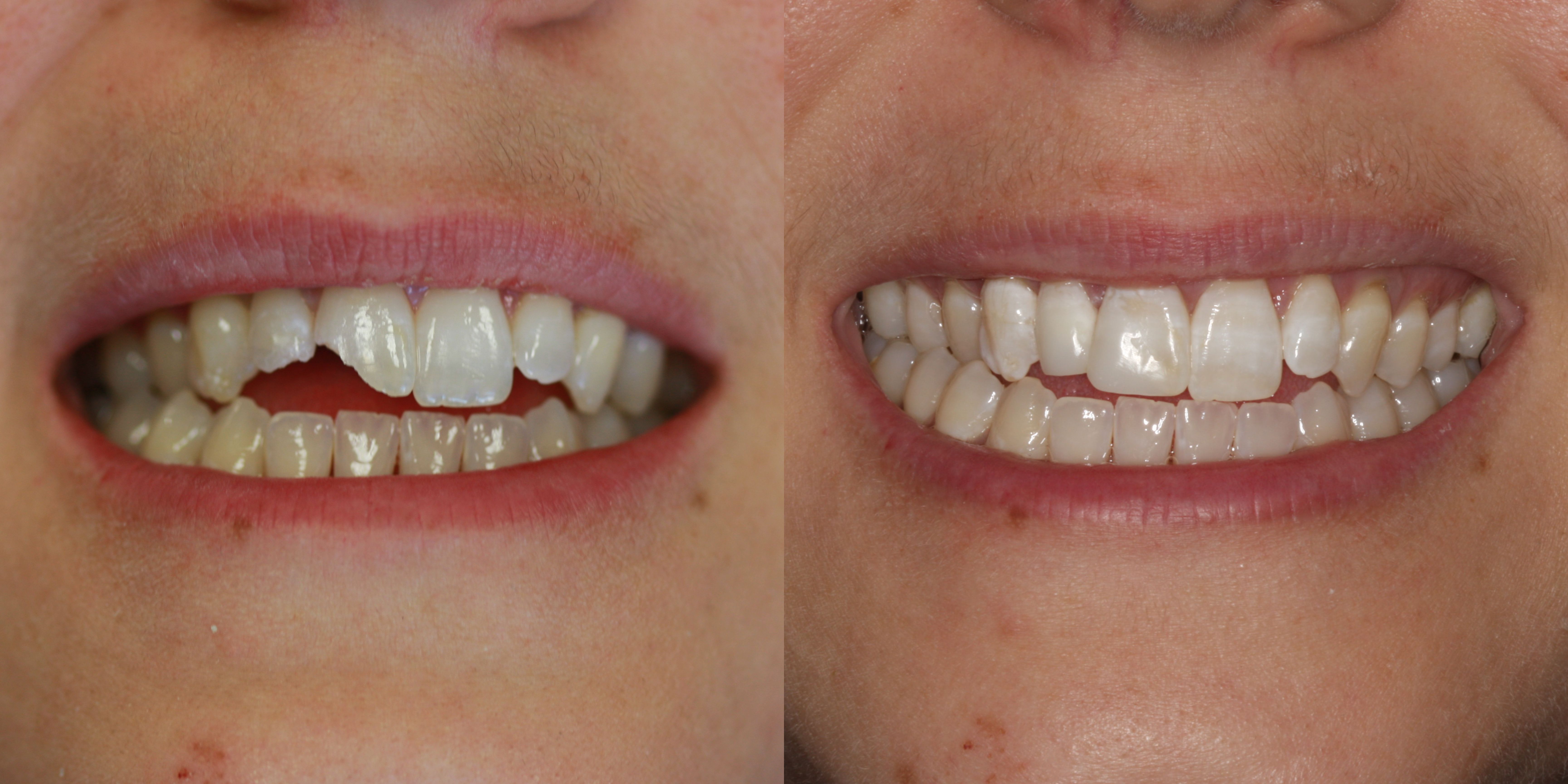
Learn your options for chipped front-tooth repair, including dental bonding, veneers, and crowns.
Click to Read



We look forward to meeting you. Contact us today to schedule an appointment.
(202) 871-7473Contact@WPlusDental.comMonday-Thursday 8AM - 4PM
Friday8AM - 3PM


