
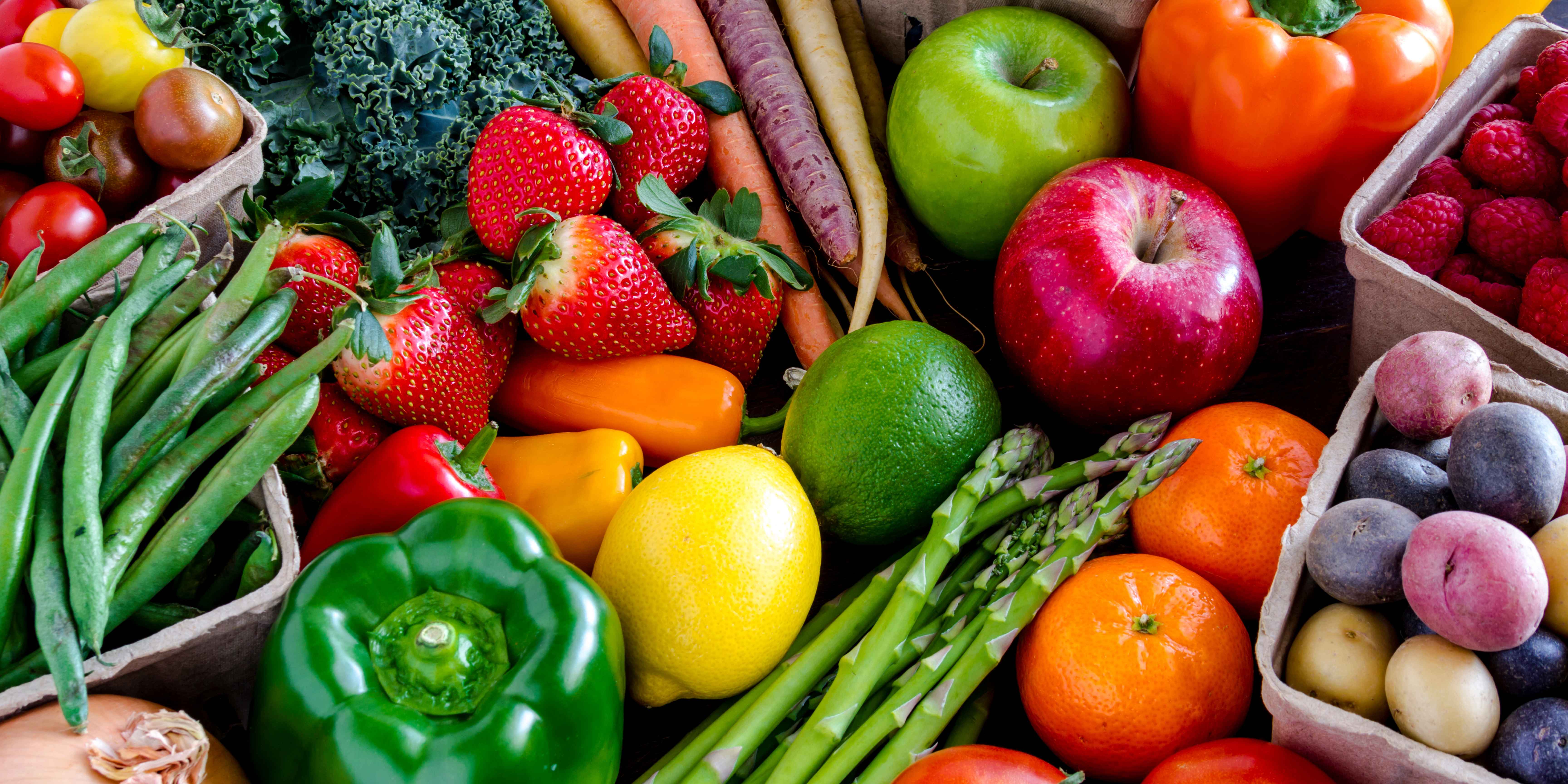
One of the first questions patients ask after a dental procedure is, “What can I eat after dental surgery?” Whether you recently had a dental implant, gum graft, tooth extraction, bone graft, periodontal surgery, or another oral surgery, what you eat during recovery matters. Your mouth needs time to heal, and choosing foods that are soft and easy to chew can help you avoid unnecessary irritation to the surgical area.
At W Plus Dental in Washington, DC, Dr. John Ku and our dental team provide personalized post-operative instructions based on your procedure. While every recovery is different, this guide explains some of the best foods to eat after dental surgery, what foods you should temporarily avoid, and how to gradually return to your normal diet.
Below, we explain what to eat after dental surgery, what foods to avoid, when you may be able to start eating normally again, and how your diet may differ after a dental implant, gum graft, tooth extraction, or any other dental procedure.
Important: Always follow the specific post-operative instructions provided by your dentist or surgeon. Your recommended diet may be different depending on the procedure performed, the location of the surgical site, and how your mouth is healing.
After dental surgery, the tissues in your mouth need time to heal. Depending on your treatment, you may also have stitches, a healing extraction socket, a dental implant site, a bone graft, or newly placed gum tissue that needs to remain protected.
For this reason, dental professionals commonly recommend a soft-food diet after oral surgery. Hard, crunchy, spicy, acidic, or difficult-to-chew foods can irritate the surgical area or disturb healing tissue. After dental implant surgery specifically, soft foods are commonly recommended while the surgical site heals.
The goal is simple: eat enough to stay nourished while making your mouth do as little work as possible during the early stages of recovery.
During the first few days after many dental surgeries, focus on foods that are soft, smooth, easy to chew, and comfortable to swallow.
Good options may include:
Soft foods such as yogurt, eggs, applesauce, pasta, and mashed potatoes are commonly recommended after oral surgery because they require less chewing and are less likely to disturb the healing area.
A dental surgery recovery diet does not have to consist entirely of ice cream and pudding.
Your body still needs adequate calories, protein, fluids, and nutrients while it heals. Consider incorporating foods such as:
You may find it easier to eat several smaller meals throughout the day instead of trying to eat a large meal when your mouth is sore.
Knowing what not to eat after dental surgery is just as important as knowing what you can eat.
Temporarily avoid foods such as:
Small or sharp pieces can irritate the surgical site and may become trapped around stitches or healing areas.
Avoid foods that require prolonged or aggressive chewing, including:
These foods can put unnecessary pressure on a sensitive surgical area.
Hot sauce, spicy salsa, heavily seasoned foods, and similar options can cause significant irritation when they come into contact with healing tissue.
During early recovery, acidic foods may also be uncomfortable.
Examples include:
That bowl of soup may sound perfect after surgery, but make sure it has cooled first. Very hot coffee, tea, soup, or other foods may irritate the surgical site. Cool, room-temperature, or lukewarm foods are usually more comfortable immediately after treatment.
Depending on your procedure, small pieces of food may become lodged near the surgical area.
Be cautious with:
NO! Do not drink your smoothie through a straw unless your dentist specifically tells you it is safe.
If you want a smoothie, milkshake, or protein shake, drink it from a cup or use a spoon instead of a straw.
This is especially important after a tooth extraction because suction inside the mouth can interfere with the blood clot that protects the extraction site.
There is no single timeline that applies to every patient or every dental procedure. For many oral surgeries, patients begin with very soft foods and gradually introduce foods requiring more chewing as discomfort decreases and the surgical area heals. Some oral surgery instructions recommend liquids and soft foods for approximately the first couple of days before gradually advancing the diet.
However, recovery may be different after a:
Do not rush back into hard or crunchy foods simply because your mouth feels better. Dr. Ku will let you know when it is appropriate to advance your diet based on your specific treatment and healing.
If you recently received a dental implant in Washington, DC, protecting the implant site is an important part of your early recovery. Immediately after implant surgery, choose foods that require very little chewing. As your mouth becomes more comfortable, you may gradually introduce foods with more texture.
Consider:
Avoid chewing directly on the implant site unless Dr. Ku has told you it is safe to do so. Implant post-operative guidance commonly recommends soft foods and avoiding chewing on the surgical area during early healing. If you are researching tooth replacement options, learn more about our dental implants in Washington, DC.
The diet after a gum graft requires extra care because the newly grafted tissue should not be disturbed while it begins to heal. During the early stages of gum graft recovery, choose foods that are soft and require minimal chewing.
Good options can include:
Whenever possible, chew away from the gum graft surgical site. Periodontal post-operative guidance recommends a soft diet, cutting food into small pieces, and avoiding crunchy foods such as nuts, popcorn, raw vegetables, hard bread, and chips.
If you have gum recession, thin gums, or exposed tooth roots, contact us to learn more about gum grafting and periodontal treatment at W Plus Dental in Washington, DC.
After a tooth extraction, one of the most important goals is protecting the blood clot that forms over the extraction site. That clot plays an important role in the healing process. Disrupting it can contribute to a painful complication known as dry socket.
During the first stages of recovery, stick with foods such as:
Avoid aggressively chewing near the extraction site.
You should also avoid drinking through a straw. The suction created by a straw can disturb the protective blood clot in an extraction socket and increase the risk of dry socket.
Need a tooth evaluated? Contact us and learn more about tooth extractions and emergency dental care in Washington, DC.
In this video, Dr. John Ku of W Plus Dental in Washington, DC explains what patients should know about eating after procedures such as a dental implant, gum graft, tooth extraction, and other types of dental surgery.
He covers soft foods that are easier to eat during recovery, foods that may irritate a surgical site, why you should avoid using a straw, and how to gradually add more foods back into your diet as you heal.
Click to Watch: https://youtu.be/IAJ1C22bBCM
Need some ideas for what to eat after oral surgery? Here is a simple example.
Breakfast: Scrambled eggs with mashed avocado and yogurt.
Lunch: Lukewarm blended soup with mashed potatoes or very soft pasta.
Snack: Applesauce, pudding, yogurt, or a protein shake.
Dinner: Soft flaky fish with mashed sweet potato and well-cooked vegetables.
Dessert: Pudding, yogurt, applesauce, or another smooth food that does not contain nuts, seeds, or crunchy pieces.
The exact foods that are appropriate for you will depend on your procedure and your dentist's instructions.
If you are preparing for dental surgery in Washington, DC, having a recovery plan before your procedure can make the first several days easier.
Stock your refrigerator with soft foods ahead of time, prepare any meals that require cooking, and make sure you understand your post-operative instructions before leaving your appointment.
At W Plus Dental, we provide comprehensive dental care for patients throughout Washington, DC, including those in and around Foggy Bottom, Dupont Circle, West End, Georgetown, Logan Circle, Downtown DC, and surrounding communities, as well as patients traveling from Northern Virginia and Maryland.
Our services include dental implants, tooth extractions, gum grafting, bone grafting, periodontal treatment, restorative dentistry, and other advanced dental procedures.
Good foods after dental surgery include yogurt, scrambled eggs, mashed potatoes, applesauce, oatmeal, bananas, avocado, cottage cheese, protein shakes, smoothies without seeds, soft pasta, cooked vegetables, and soft fish. Your specific diet will depend on the type of procedure you had.
The length of time you need a soft-food diet depends on your procedure and how you are healing. Some patients can gradually introduce more foods after several days, while gum grafts, implants, bone grafts, and more extensive procedures may require restrictions for longer. Follow the timeline given to you by your dentist.
Yes, smoothies can be an excellent soft-food option after dental surgery. Avoid seeds, hard chunks, or other ingredients that could become trapped around the surgical area. Do not use a straw. Drink directly from the cup or use a spoon.
Avoid very hot coffee immediately after surgery. If your dentist allows coffee, let it cool before drinking it. Your specific procedure and post-operative instructions may affect when you can return to hot beverages.
Rice is soft, but individual grains can sometimes become trapped around extraction sockets, sutures, or surgical sites. Your dentist may recommend waiting before adding rice back into your diet depending on the procedure you had.
Do not rush back into crunchy foods after dental implant surgery. The implant and surrounding tissues need time to heal, and chewing pressure should be limited around the treatment area. Dr. Ku will let you know when you can safely return to your normal diet based on your specific implant procedure and healing progress.
After a gum graft, avoid foods that are hard, crunchy, sticky, spicy, sharp, or likely to leave small particles around the graft. Examples include chips, nuts, popcorn, raw vegetables, crusty bread, seeds, chewy candy, and tough meats.
During the first few days after an extraction, focus on soft foods such as yogurt, mashed potatoes, eggs, applesauce, oatmeal, bananas, avocado, and smoothies without a straw. Avoid hard or crunchy foods and anything that could become trapped in the extraction socket.
Preparing for a dental implant, gum graft, tooth extraction, or other dental surgery? Our team can help you understand what to expect before your procedure and how to care for your mouth afterward.
At W Plus Dental in Washington, DC, Dr. John Ku provides personalized treatment planning and detailed post-operative instructions based on your procedure, health, and individual recovery needs.
Whether you are searching for a dental implant dentist in Washington, DC, gum graft treatment, tooth extraction, oral surgery, or a dentist near Foggy Bottom, Dupont Circle, Georgetown, or West End, contact W Plus Dental to schedule your consultation.
Click to Schedule an Appointment Online or Give us a Call at 202-871-7473.
Have questions about your recovery after dental surgery? Contact W Plus Dental today to schedule an appointment with Dr. John Ku and our Washington, DC dental team.
Contact us or schedule your appointment online to experience trusted dental care in Washington DC.
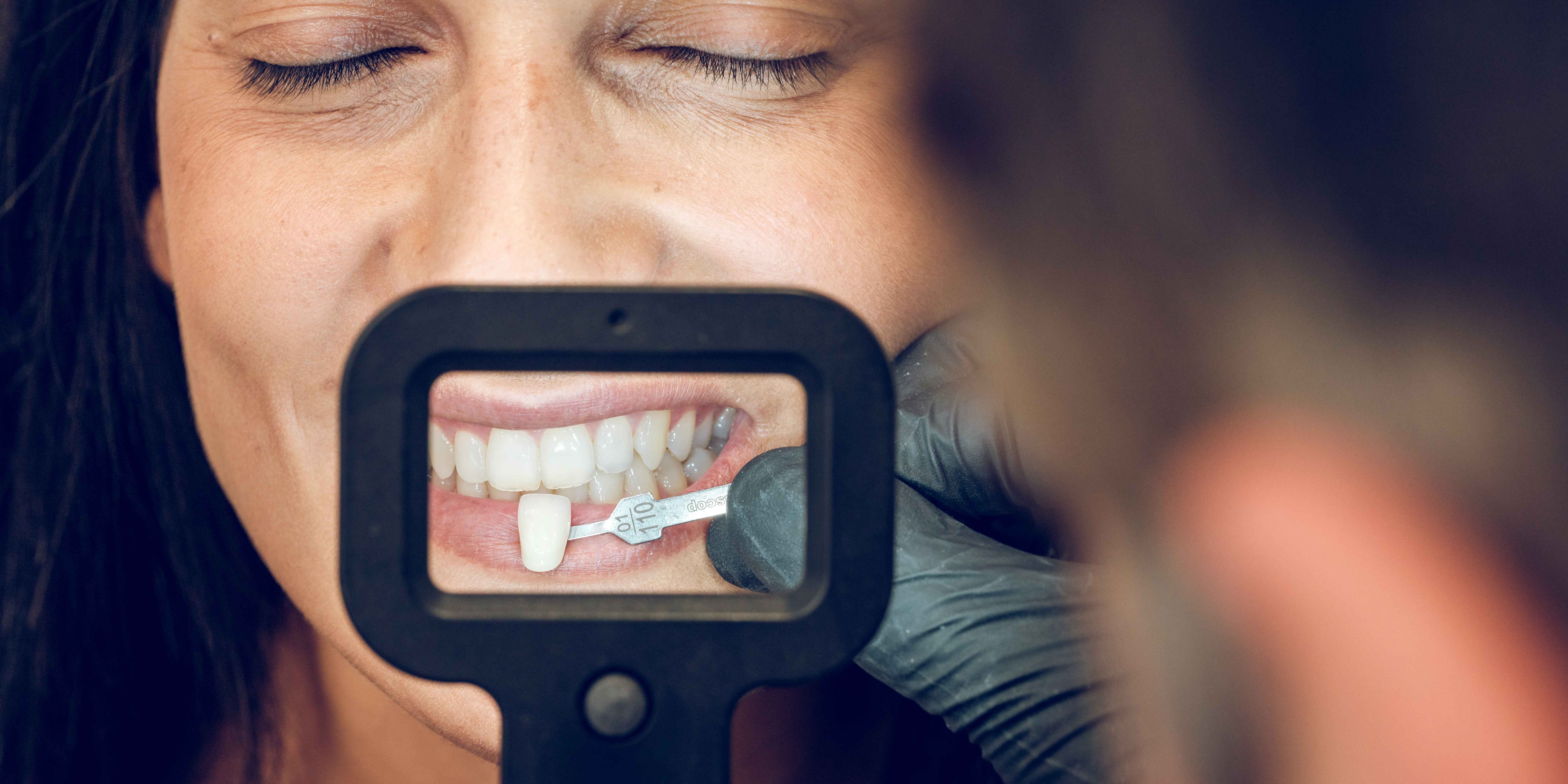
Considering porcelain veneers? Learn what to expect before, during, and after veneer treatment.
Click to Read
Can gum disease be reversed? The answer depends on how far the condition has progressed. Learn how gingivitis and periodontitis are treated.
Click to Read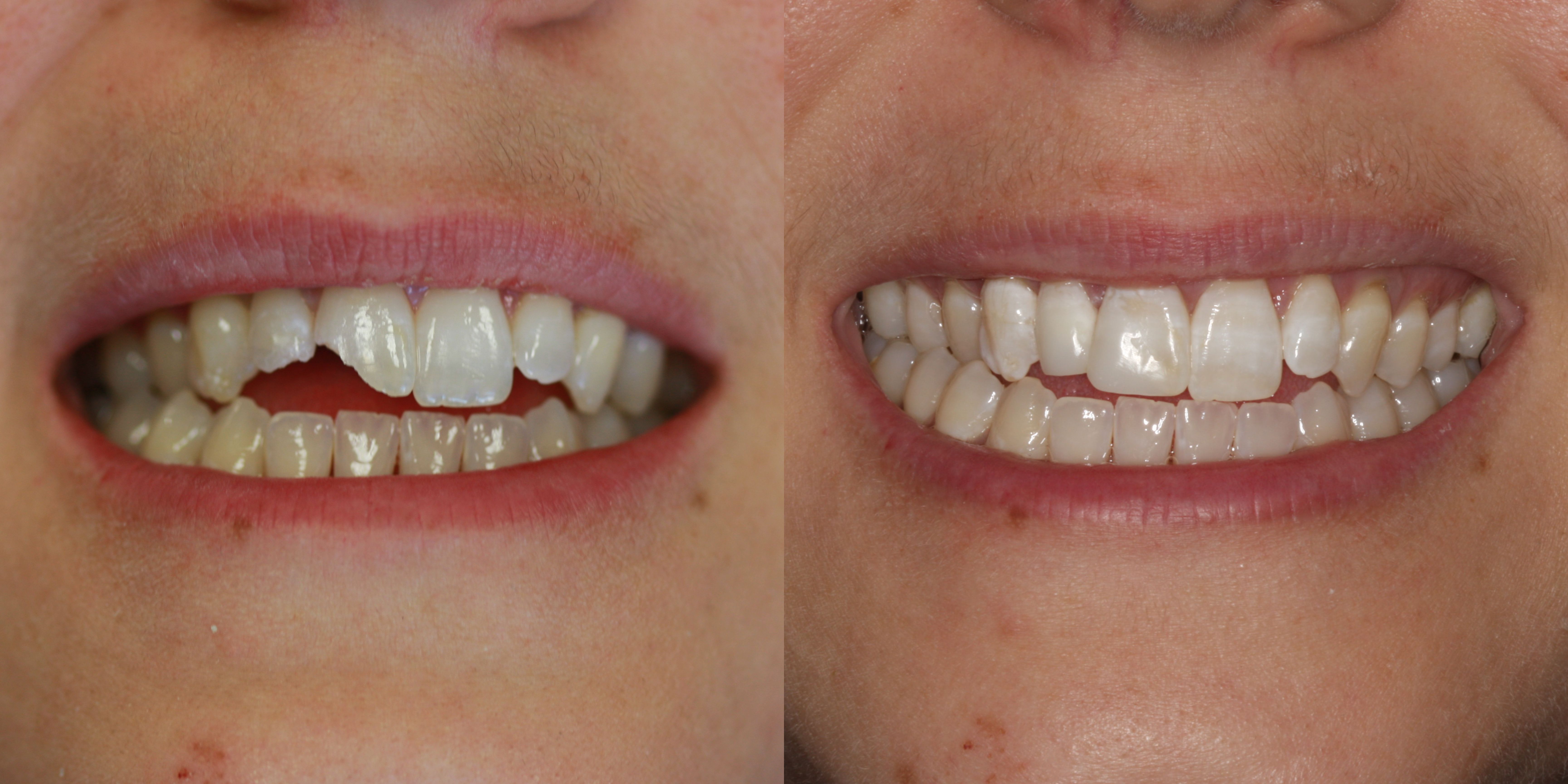
Learn your options for chipped front-tooth repair, including dental bonding, veneers, and crowns.
Click to Read



We look forward to meeting you. Contact us today to schedule an appointment.
(202) 871-7473Contact@WPlusDental.comMonday-Thursday 8AM - 4PM
Friday8AM - 3PM


