

Halloween, holidays, birthdays, and everyday sweet cravings all have one thing in common: candy! But have you ever wondered which candy is the worst for your teeth? Or whether some types of candy are actually better for your oral health than others? The answer might surprise you. Not all candy affects your teeth the same way. Some sweets dissolve quickly and wash away relatively easily, while others stick to your teeth, expose your enamel to acids, or even increase your risk of cracking a tooth.
At W Plus Dental in Washington, DC, we believe you can enjoy your favorite treats while still taking care of your smile. The key is understanding how different candies affect your teeth and making a few smart choices.
In this video, our dentist, Dr. Hana Yoon, ranks popular candies from best to worst, plus tips to prevent cavities.
Before ranking your favorite sweets, it helps to understand why candy can cause cavities in the first place.
Your mouth contains millions of bacteria, including bacteria that feed on the sugars and carbohydrates you consume. When these bacteria break down sugar, they produce acids that weaken your tooth enamel through a process called demineralization. Fortunately, your mouth has a natural defense system. Saliva helps neutralize acids, wash away food particles, and supply minerals that support enamel remineralization. Fluoride toothpaste also helps strengthen enamel.
Problems begin when the balance shifts and your teeth experience more acid exposure than they can recover from.
Over time, this can lead to:
The biggest factors aren't just how much sugar a candy contains, but also how long it stays on your teeth, how frequently you eat it, and whether it contains added acids.
If you're concerned about tooth decay, regular dental checkups and cleanings in Washington, DC can help identify early signs of cavities before they become more serious.
Wondering which Halloween candy is best for your teeth? Here's how common candy types compare, starting with generally less harmful options.
This is a practical guide, not a precise scientific ranking. Ingredients, portion sizes, eating habits, and individual cavity risk all matter.
Examples: Hershey's Chocolate, plain M&M's, Dove Chocolate, and dark chocolate
Good news for chocolate lovers! Plain chocolate is generally one of the better candy choices for your dental health.
Unlike sticky or chewy candy, chocolate melts relatively quickly and is easier for saliva and water to wash away. This means it typically spends less time clinging to your teeth.
Dark chocolate can be an especially good option because varieties with higher cocoa percentages often contain less sugar than milk chocolate.
Why chocolate is a better choice:
However, chocolate still contains sugar and can contribute to cavities when consumed frequently. Chocolate bars filled with caramel, toffee, or sticky nougat may also be harder on your teeth than plain chocolate.
Dentist's tip: Choose a small portion of plain chocolate and enjoy it with or shortly after a meal instead of snacking on it throughout the day.
Examples: Smarties and SweeTarts
Powdery candies might seem harmless because they dissolve quickly and don't usually cling to teeth like caramel or gummy candy.
However, many powdery candies contain substantial amounts of sugar, and some are acidic.
Even when candy dissolves quickly, the sugar can still feed cavity-causing bacteria. Acidic varieties can also contribute to enamel erosion.
Why powdery candy can be harmful:
Dentist's tip: If you enjoy powdery candy, rinse your mouth with water afterward to help clear away leftover sugar and acids.
Examples: Jolly Ranchers, lollipops, Life Savers, and jawbreakers
Hard candy can be particularly harmful because it creates two different dental risks: prolonged sugar exposure and potential tooth fractures.
Unlike chocolate, which melts relatively quickly, hard candy is designed to last. When you suck on a lollipop or hard candy, you're continuously exposing your teeth to dissolved sugar.
This gives cavity-causing bacteria more opportunities to produce acids.
Even worse, biting down on hard candy can chip or crack a tooth, damage an existing filling, or fracture a dental crown.
Why hard candy is bad for your teeth:
Dentist's tip: Never bite down on hard candy. If you're choosing a hard candy, a nonacidic sugar-free variety may reduce cavity risk, although it still poses a risk of tooth damage if bitten.
If you've chipped or cracked a tooth while eating candy, W Plus Dental offers emergency dental care in Washington, DC to evaluate the damage and recommend appropriate treatment.
Examples: Starburst, Skittles, gummy bears, Tootsie Rolls, taffy, and caramel
Sticky and chewy candies are among the worst options for your dental health because they cling to the surfaces of your teeth.
These candies can become lodged in the grooves of your molars or stuck between teeth, making them difficult to remove with saliva alone.
The longer sugary residue remains on your teeth, the more opportunities bacteria have to produce cavity-causing acids.
Sticky candies can also pull on existing dental restorations, potentially dislodging loose crowns or fillings.
Why sticky candy is especially harmful:
Dentist's tip: Limit sticky candy, especially if you have a history of cavities, orthodontic appliances, or dental restorations. Drink water afterward and clean between your teeth daily.
If tooth decay has already developed, tooth-colored dental fillings can repair many cavities while preserving healthy tooth structure.
Examples: Sour Patch Kids, Warheads, Sour Punch Straws, and Sour Skittles
If we had to identify one category of candy to be particularly careful with, sour candy would be near the top of the list. Sour candies often combine two things that can harm your teeth: sugar and acid. The intense sour flavor comes from acidic ingredients, such as citric acid or malic acid. These acids can directly soften and erode tooth enamel. Meanwhile, the sugar feeds bacteria that produce even more acid.
Many sour candies are also sticky or chewy, creating an additional problem because the sugary, acidic residue may remain in contact with your teeth longer.
Why sour candy is especially damaging:
Dentist's tip: If you eat sour candy, rinse with water afterward and wait approximately 60 minutes before brushing. Brushing immediately after highly acidic candy can contribute to wear on temporarily softened enamel.
When comparing popular Halloween candy, sour gummies, sticky caramels, and long-lasting hard candies are generally among the options dentists recommend limiting.
The reasons are different:
Plain chocolate is typically a better choice because it clears from the mouth more easily.
But remember, even the better candy options can cause cavities when eaten frequently or combined with poor oral hygiene.
You don't have to eliminate every sweet treat to maintain a healthy smile. A few simple habits can make a meaningful difference.
Saliva production naturally increases during meals, helping wash away food particles and neutralize acids. Eating candy shortly after a meal is generally better for your teeth than repeatedly snacking on sweets throughout the day.
Eating one small portion of candy at a time is generally better than spreading the same amount across several hours. Every time you consume sugar, oral bacteria can produce acids. Frequent snacking means your teeth experience repeated acid attacks with less recovery time between them.
Water helps rinse away leftover sugar and acids. Drinking water after enjoying candy is one of the simplest habits you can adopt to help protect your teeth.
Fluoride helps strengthen enamel and makes teeth more resistant to decay. Brush for two minutes twice a day and clean between your teeth daily. Remember to wait about an hour before brushing after highly acidic treats, including sour candy.
Chewing sugar-free gum with the American Dental Association Seal of Acceptance for approximately 20 minutes after eating can stimulate saliva flow, helping neutralize acids and reduce cavity risk.
If your teeth hurt when eating something sweet, hot, or cold, don't ignore it. Tooth sensitivity can result from several conditions, including cavities, exposed tooth roots, enamel erosion, or cracked teeth. A dental examination can help identify the cause.
Even if you brush and floss consistently, cavities can develop in areas that are difficult to see or clean. Routine dental examinations allow your dentist to identify early tooth decay, evaluate enamel health, and recommend preventive care based on your individual needs.
At W Plus Dental, we provide comprehensive dental examinations and professional cleanings to help patients maintain healthy teeth and gums.
Plain chocolate is generally one of the least harmful traditional candy options because it melts quickly and does not cling to your teeth as readily as sticky candy. Dark chocolate may contain less sugar than milk chocolate, depending on the brand and cocoa percentage. However, no sugar-containing candy is completely risk-free.
Sticky and chewy candies, including caramel, taffy, and gummies, are among the worst choices for cavities because they can remain on tooth surfaces for extended periods. Sour gummies can be particularly damaging because they combine sticky sugar with acidic ingredients that can weaken enamel.
No. Eating candy occasionally does not automatically mean you will develop a cavity. Cavity development depends on several factors, including how frequently you consume sugar, your oral bacteria, saliva, fluoride exposure, and daily oral hygiene habits. However, frequent sugar consumption increases the likelihood of tooth decay.
Generally, yes. Plain chocolate melts and clears from your teeth more easily than gummy candy, which can become trapped in the grooves of your molars and between teeth. Both contain sugar, so moderation remains important.
Sugar-free candy can reduce the risk of cavities when it replaces candy containing fermentable sugars. However, not every sugar-free candy is tooth-friendly. Some sugar-free sour candies still contain acids that can contribute to enamel erosion. Sugar-free hard candies can also damage teeth if bitten.
Not necessarily. While maintaining your regular brushing routine is important, you should avoid brushing immediately after eating highly acidic candies. After sour candy, rinse your mouth with water and wait approximately one hour before brushing to allow your saliva time to help restore the enamel's surface hardness.
Sweet sensitivity may be a sign of tooth decay, exposed dentin, enamel erosion, or another dental issue. If you frequently experience pain or sensitivity when eating sweets, schedule a dental examination to determine the cause.
Yes. Cavities do not always cause pain, especially in their early stages. During a dental examination, your dentist can check for visible signs of decay and use dental X-rays when appropriate to identify problems that may not be noticeable during a visual examination. Early detection may allow for simpler, more conservative treatment.
Enjoying candy doesn't have to mean sacrificing your dental health. Understanding which candies are more harmful, limiting frequent sugar exposure, and maintaining consistent oral hygiene habits can help reduce your risk of cavities and enamel damage.
At W Plus Dental in Washington, DC, Dr. John Ku and our dental team focus on helping patients prevent dental problems before they become more serious.
Whether you're due for a routine cleaning, concerned about tooth sensitivity, or think you may have a cavity, we're here to help.
Our services include:
Conveniently located at 2311 M Street NW, Suite 305, Washington, DC 20037, our office welcomes patients from Dupont Circle, Foggy Bottom, Georgetown, West End, Downtown DC, Logan Circle, and surrounding communities.
Don't wait until a cavity starts hurting to take care of your smile. Regular dental visits can help detect tooth decay early, protect your enamel, and keep your teeth healthy for years to come. Whether you need a routine dental cleaning or want to discuss concerns about cavities and tooth sensitivity, our team is ready to help.
Schedule Your Appointment at W Plus Dental Today
Enjoy your favorite treats, make smart choices, and keep smiling!
Contact us or schedule your appointment online to experience trusted dental care in Washington DC.
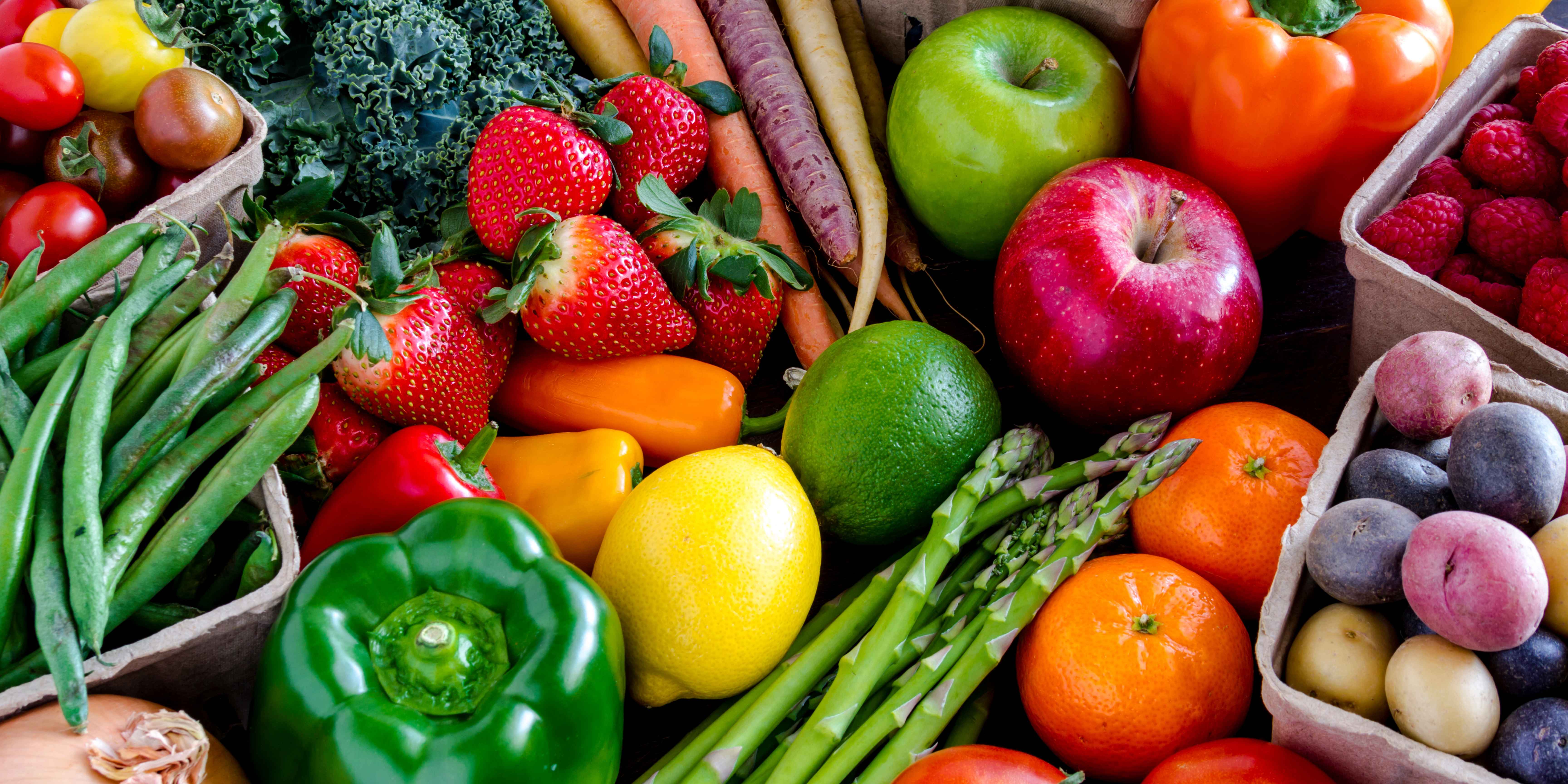
What should you eat after dental surgery? Learn the best foods and foods to avoid after dental implants, gum grafts, tooth extractions, and other dental procedures..
Click to Read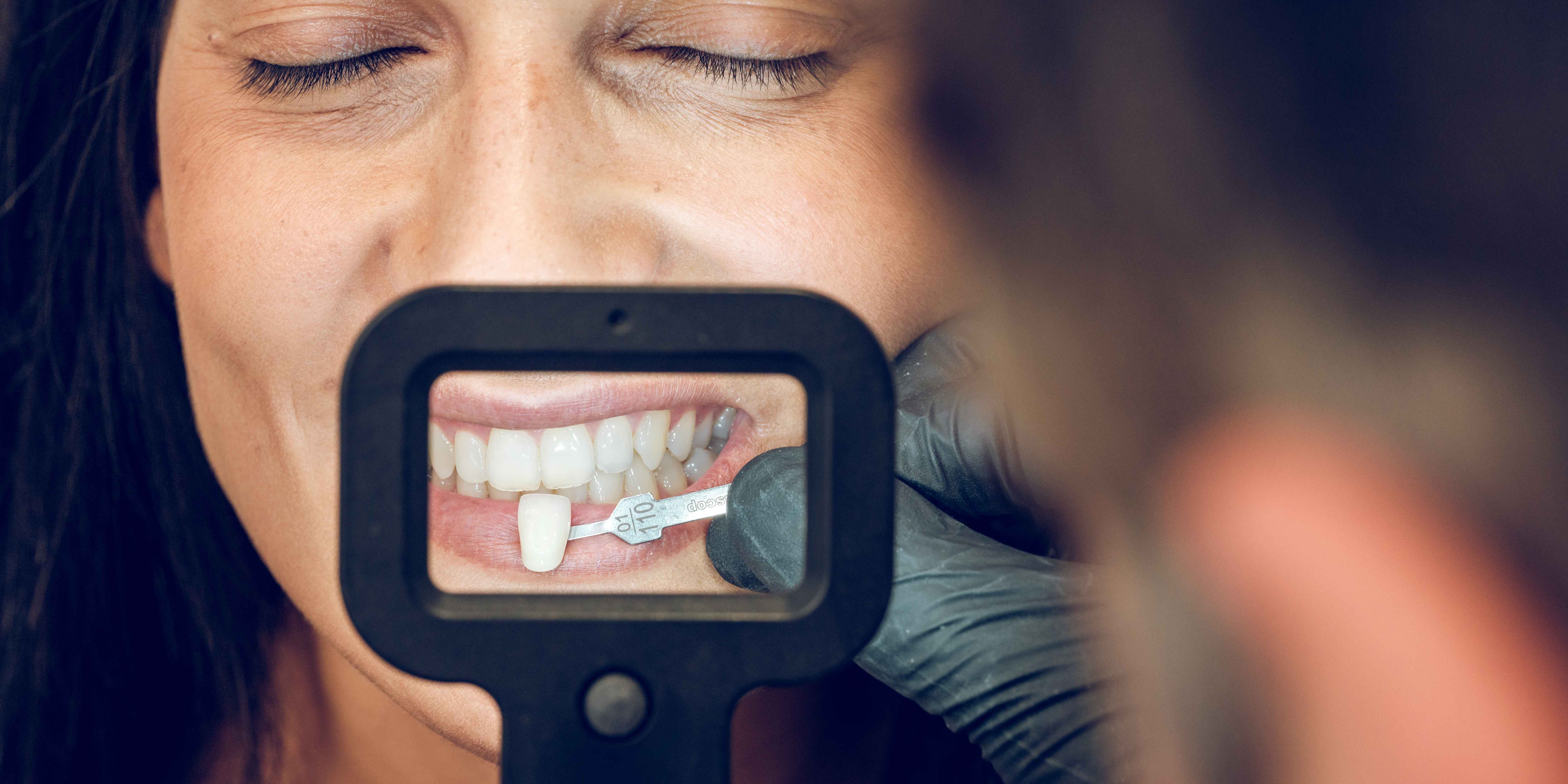
Considering porcelain veneers? Learn what to expect before, during, and after veneer treatment.
Click to Read
Can gum disease be reversed? The answer depends on how far the condition has progressed. Learn how gingivitis and periodontitis are treated.
Click to Read



We look forward to meeting you. Contact us today to schedule an appointment.
(202) 871-7473Contact@WPlusDental.comMonday-Thursday 8AM - 4PM
Friday8AM - 3PM


