
Restore your smile, improve your ability to chew, and replace missing teeth with long-lasting dental implants at W Plus Dental. Led by Dr. John Ku, our Washington, DC dental team provides personalized implant dentistry for patients who are missing one tooth, several teeth, or an entire arch of teeth.
Dr. Ku is an experienced dental implant specialist known for advanced implant treatment planning, precise care, and natural-looking results. Whether you recently lost a tooth or have struggled with missing or failing teeth for years, we can create a treatment plan designed around your health, appearance, comfort, and long-term goals.
Schedule a Dental Implant Consultation at W Plus Dental in Washington, DC.
A dental implant is a small titanium post placed into the jawbone to replace a missing tooth and restore both function and appearance. As the implant heals, it gradually bonds with the surrounding bone through a process called osseointegration. Because the implant fuses with the jawbone, it creates a strong foundation that is designed to look and function like natural teeth.
A complete single-tooth dental implant includes three parts:
Dental implant: The post placed in the jawbone
Abutment: The connector between the implant and restoration
Dental crown: The visible replacement tooth designed to match your smile
Whether you recently lost a tooth or have lived with missing teeth for years, Dr. Ku can evaluate your needs and recommend a personalized tooth-replacement plan.

Your treatment will depend on how many teeth are missing, the health of your jawbone and gums, and the type of restoration you need.

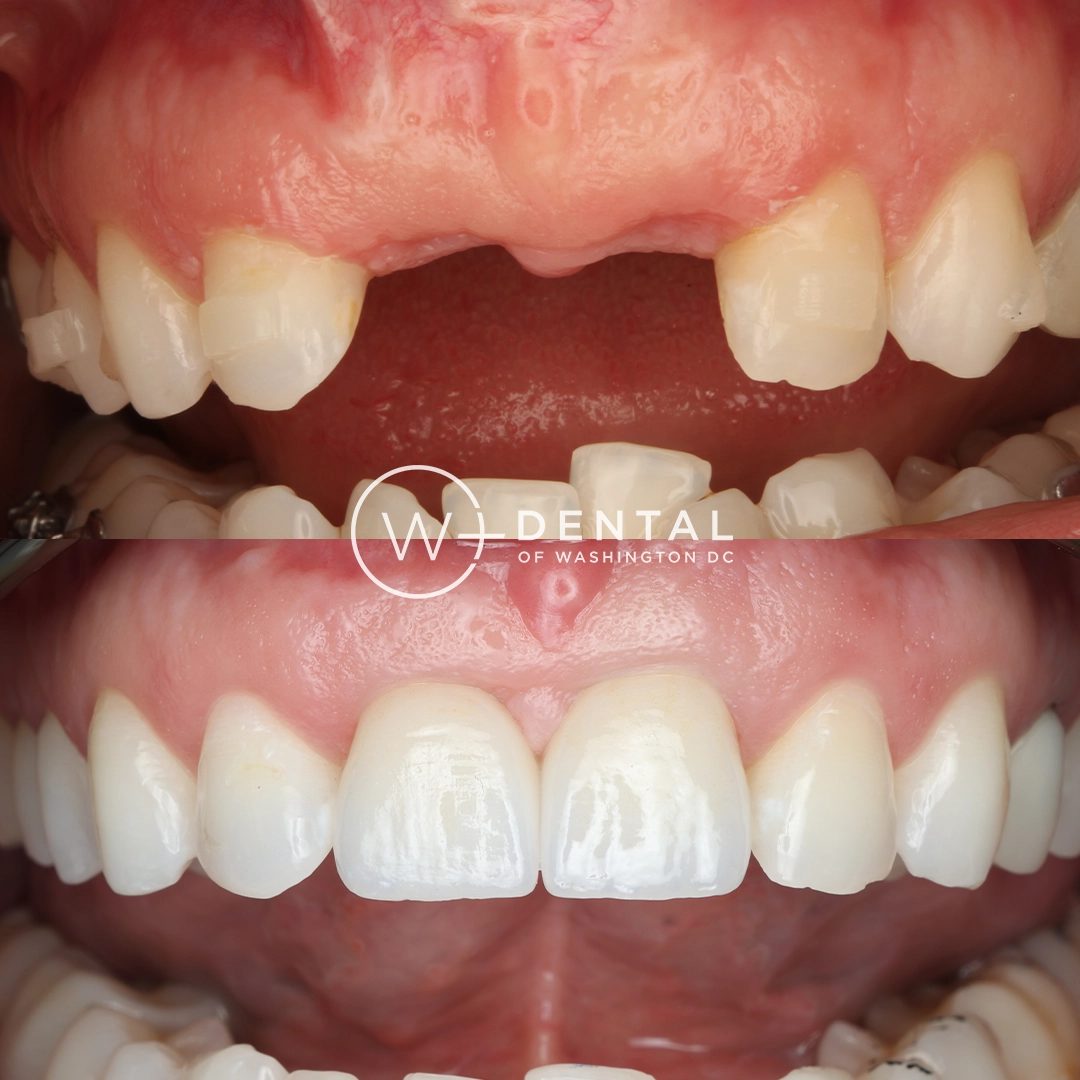
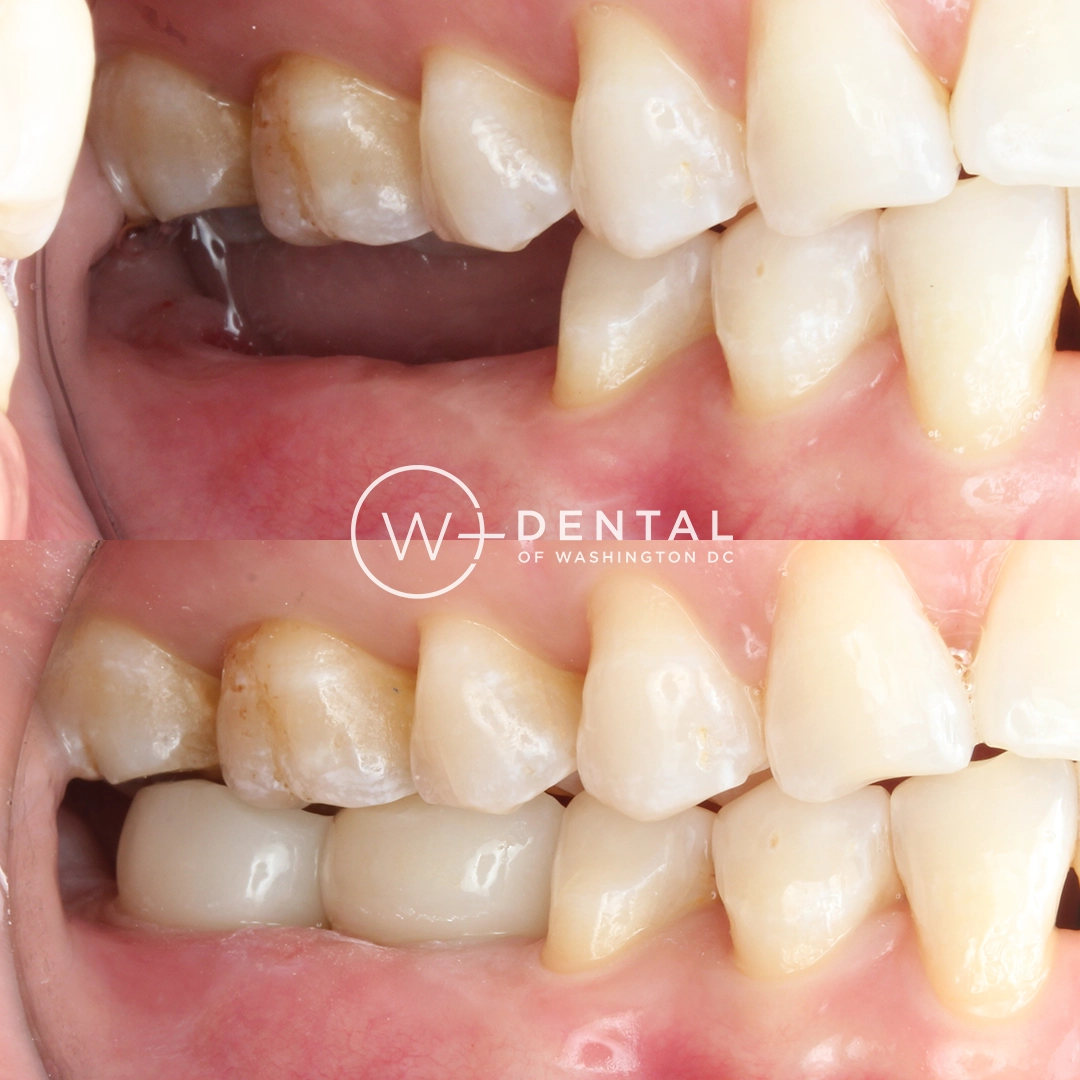
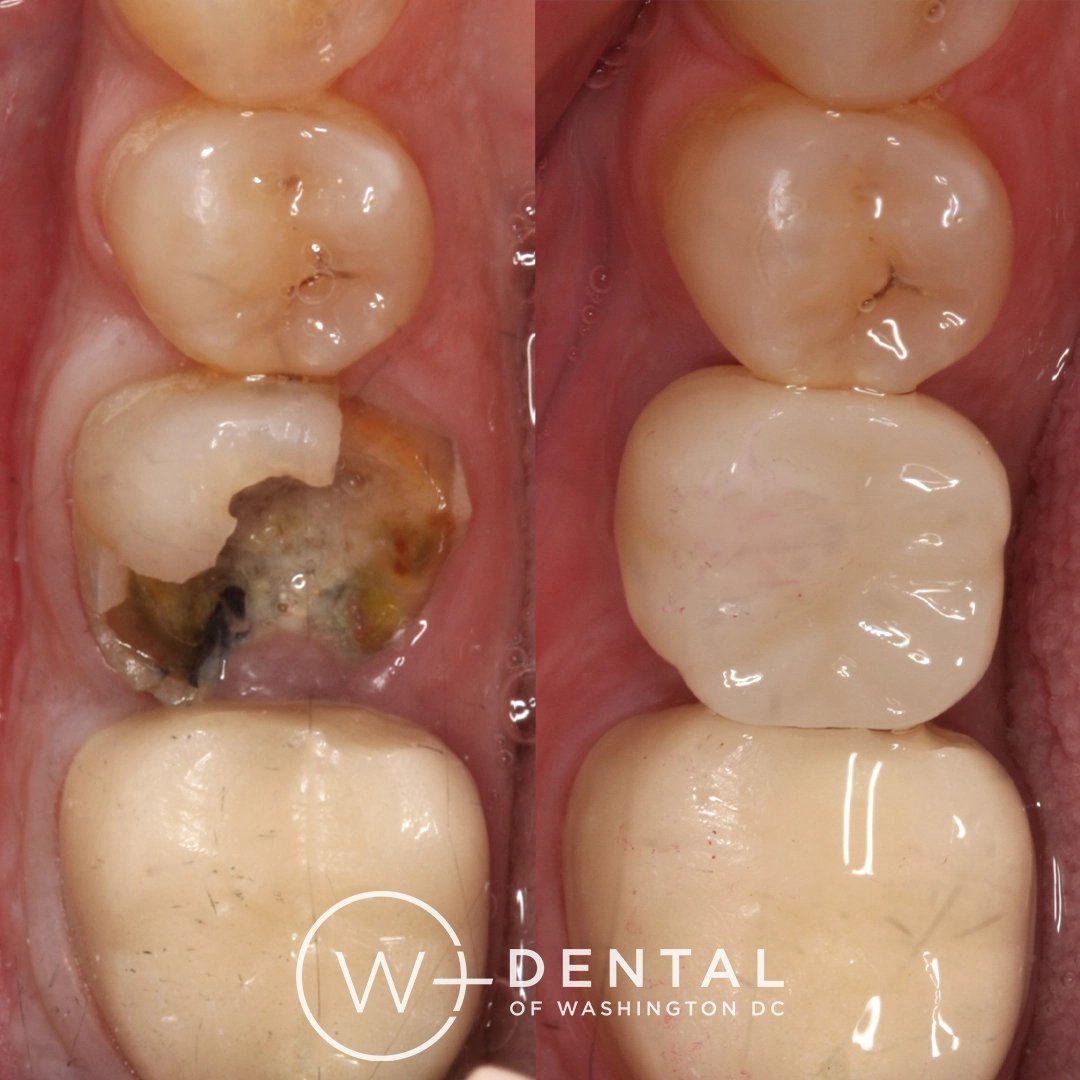
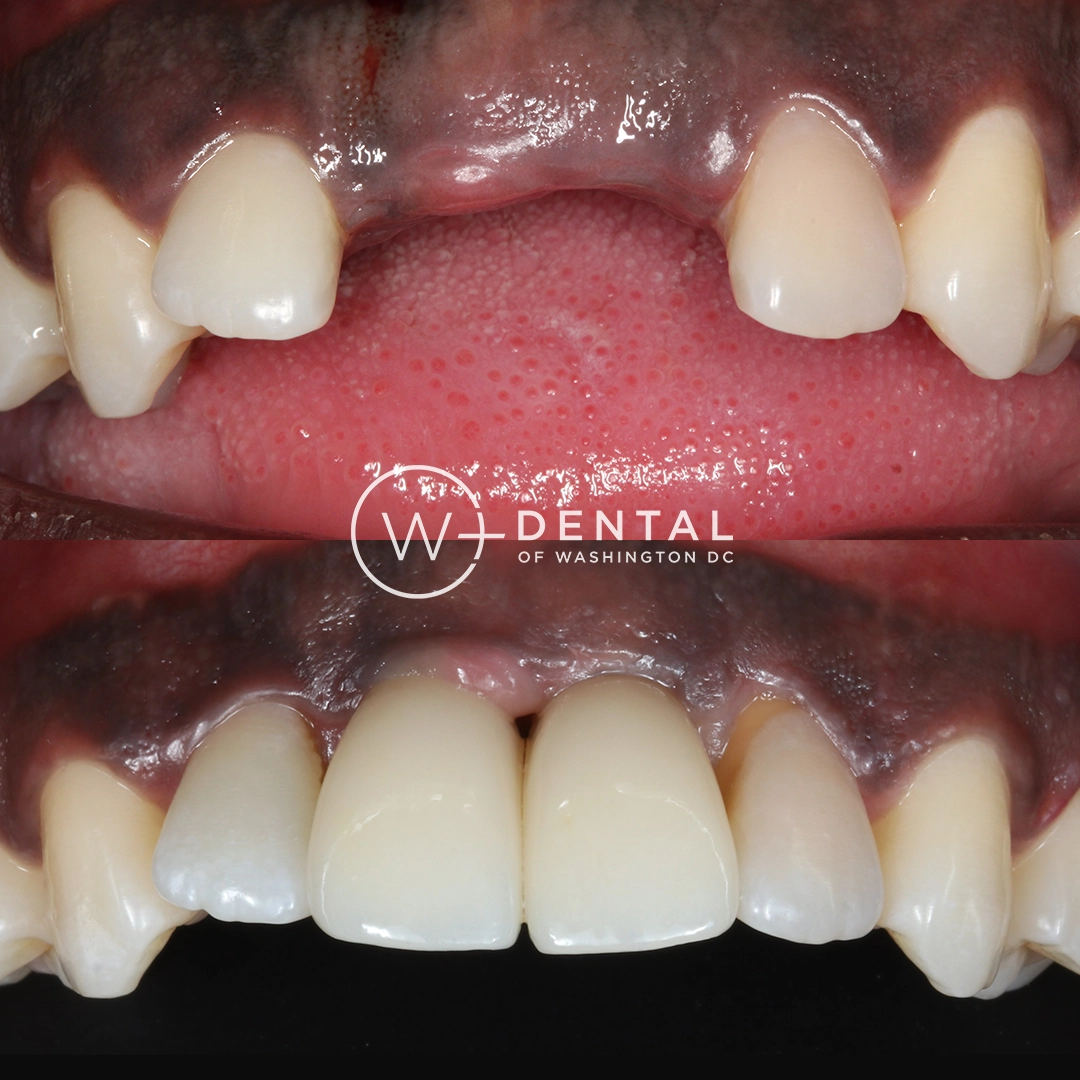
A single-tooth implant can replace one missing or non-restorable tooth without relying on the neighboring teeth for support. The final dental crown is customized to complement the shape, size, and color of your natural teeth. Single dental implants may be recommended for teeth lost because of severe tooth decay, dental trauma, a cracked or fractured tooth, advanced infection, or congenitally missing teeth.

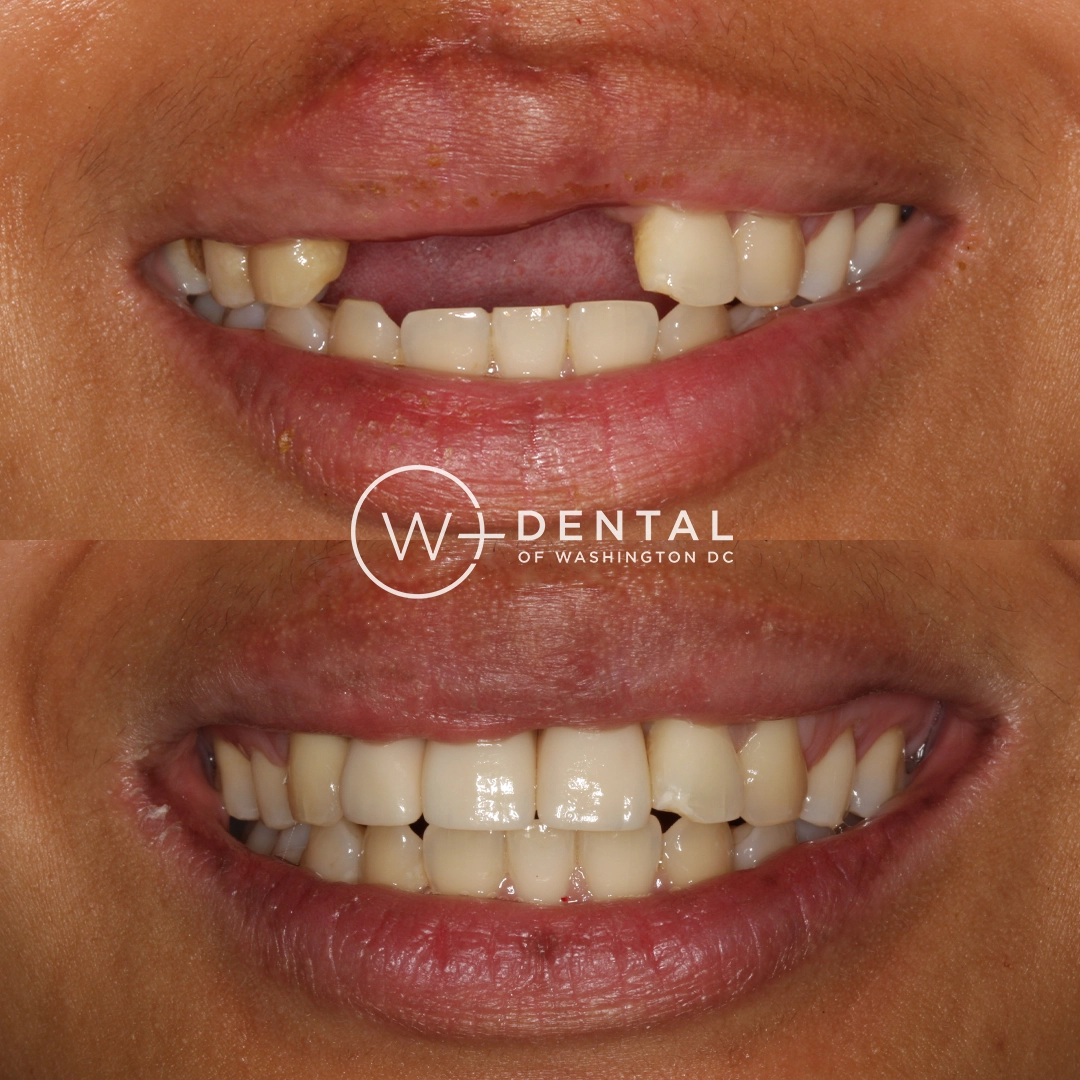
When several neighboring teeth are missing, dental implants may support an implant-supported bridge. This can replace multiple teeth while using fewer implants than would be required to replace every tooth individually. Dr. Ku will evaluate your available bone, bite forces, smile, and the number and location of your missing teeth before recommending the appropriate restoration.
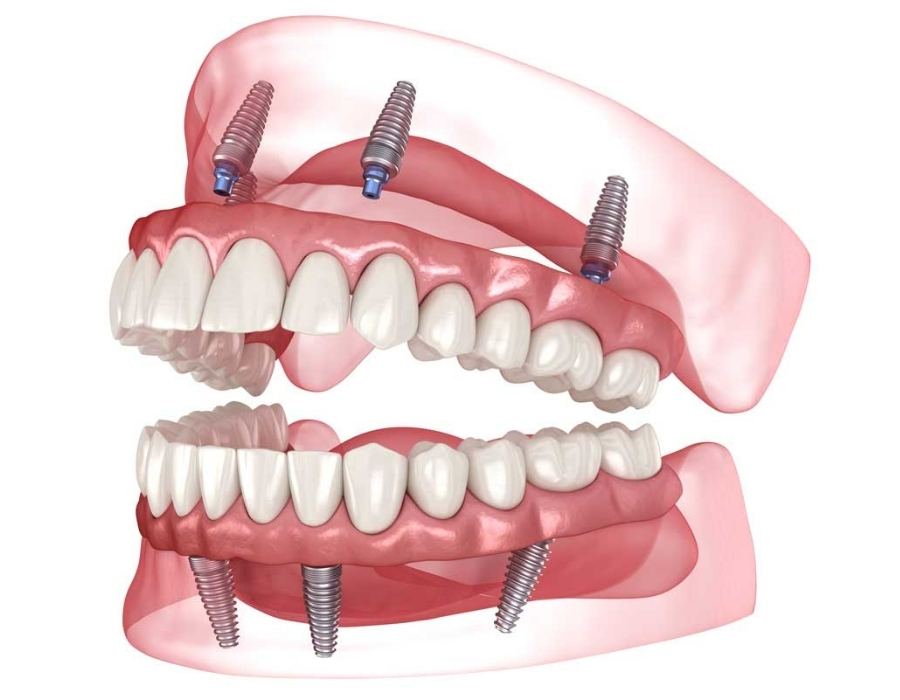
Patients who have extensive tooth loss, failing teeth, or uncomfortable dentures may qualify for full-mouth dental implants. Implant-supported full-arch restorations use strategically positioned implants to support a complete row of replacement teeth. Our All-on-X dental implants may provide a stable, fixed alternative to removable dentures for qualified patients.
Wondering what dental implants can do for your smile? Visit our Before & After Gallery to see real patient transformations completed at W Plus Dental!
Click to Visit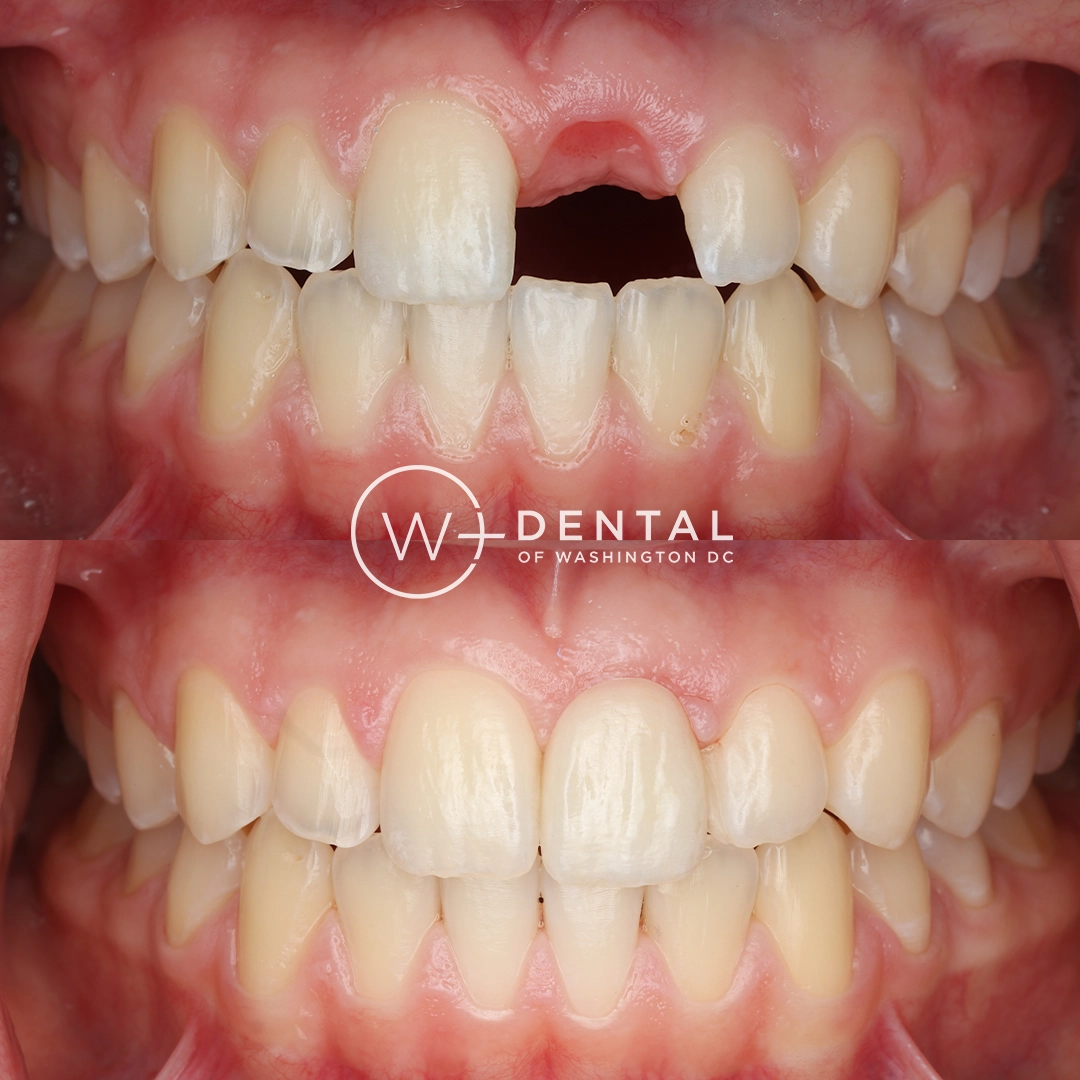
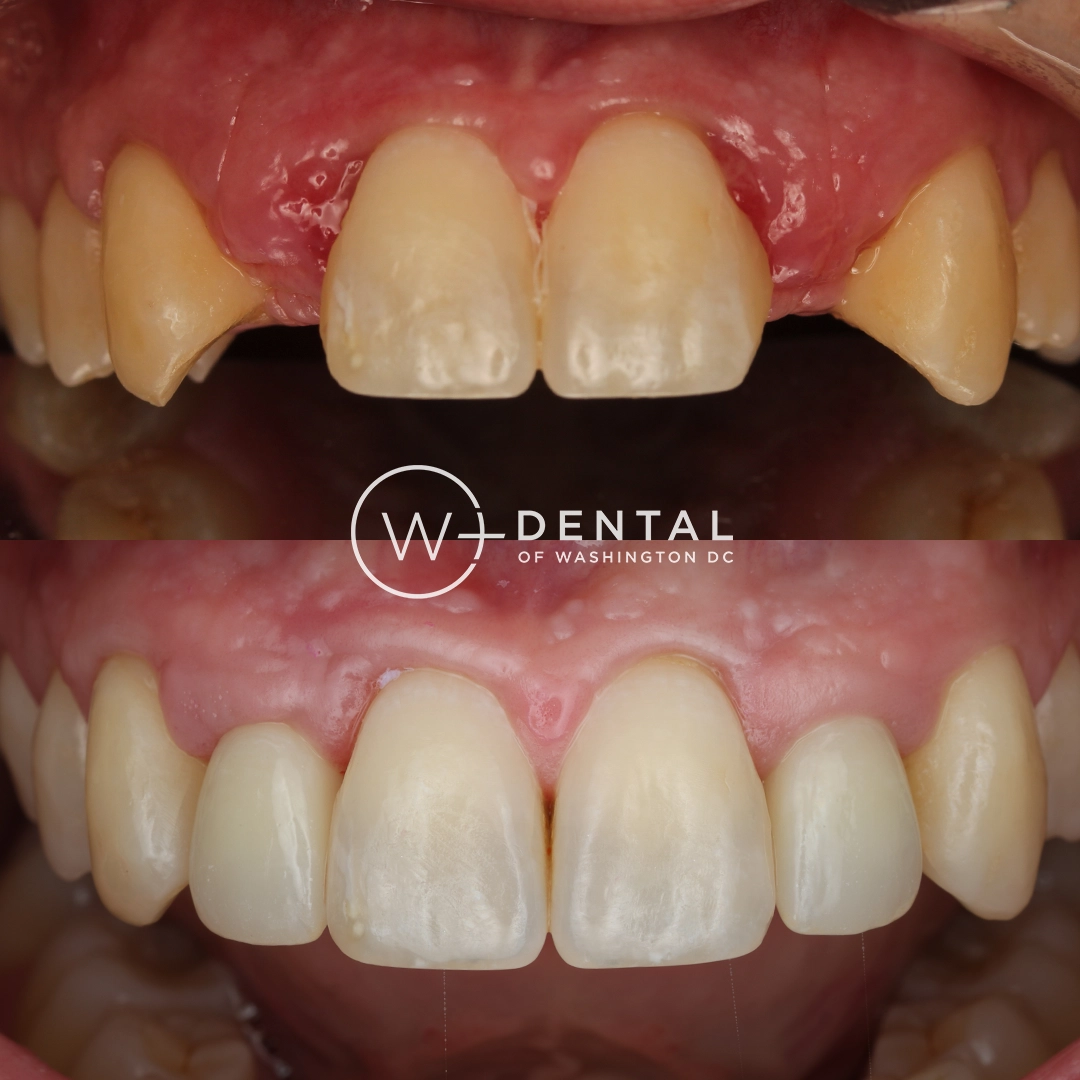
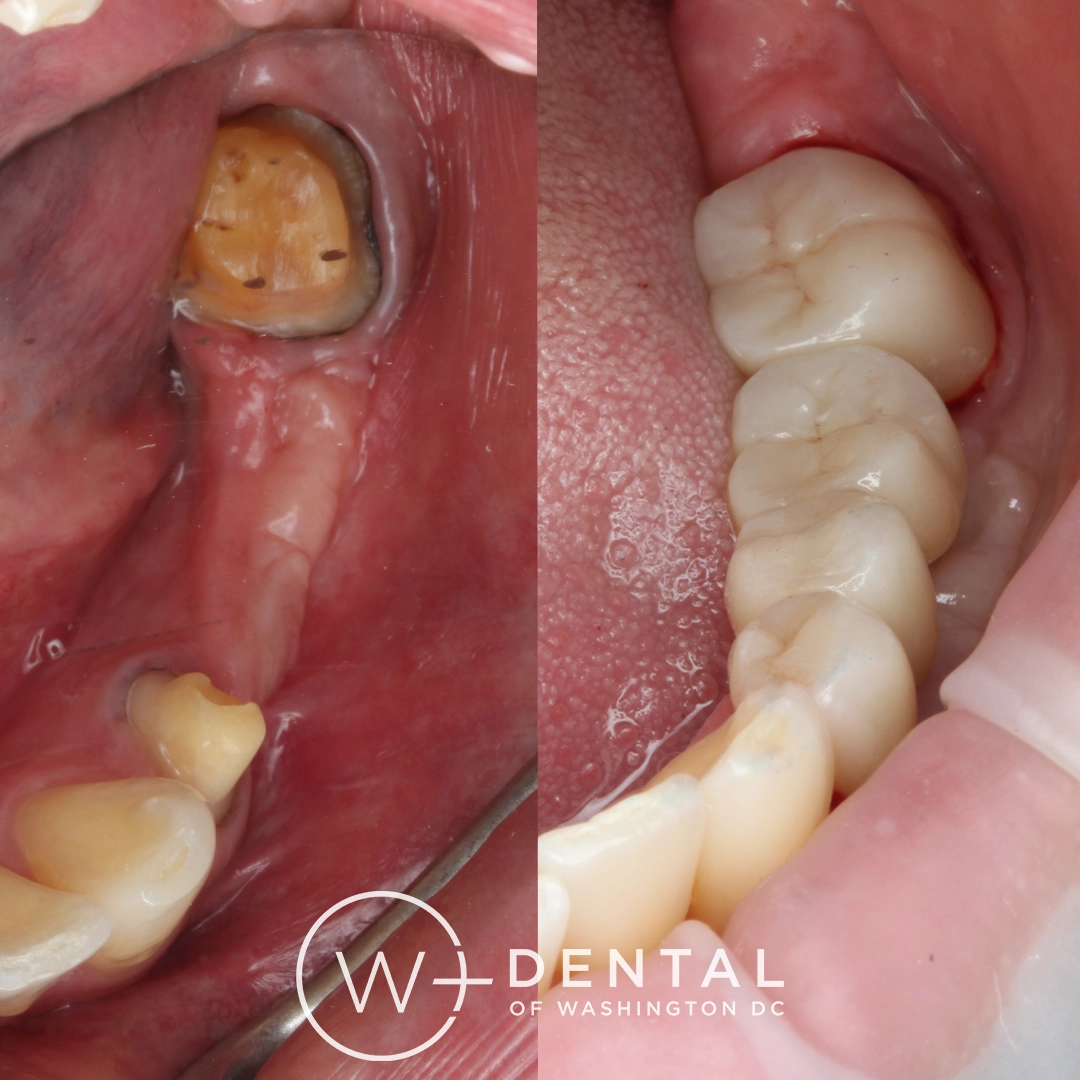
Dr. Ku will examine your teeth, gums, bite, and areas of tooth loss. We will discuss your concerns, medical history, previous dental treatment, and goals for your smile.
Digital X-rays and three-dimensional imaging may be used to evaluate the amount and location of available bone, the position of neighboring teeth, and important anatomical structures. This information allows Dr. Ku to carefully plan the implant position and determine whether an extraction, bone graft, or other preparatory treatment is needed.
The dental implant placement procedure usually takes 1-2 hours, depending on the number of implants being placed and the complexity of your treatment. During the procedure, we make small incisions in the gum tissue and carefully place the implant into the jawbone. Our implants are placed using a fully guided approach, allowing us to precisely position the implant in the ideal location for your permanent crown while also selecting an area with optimal bone support. Once the implant is in place, the gums are sutured to support proper healing. In most cases, a temporary crown or other temporary dental prosthesis may be attached.
Your comfort is our priority. The procedure is performed under local anesthesia, which completely numbs the treatment area. You should not feel pain during the procedure, and most patients report little to no discomfort. For patients who feel anxious or would prefer a more relaxed experience, we also offer nitrous oxide (laughing gas) and oral anxiolytic medication.
Immediately after the procedure, mild swelling, tenderness, or bruising is normal. These symptoms typically improve within a few days. It is important to rest and take it easy during the first few days following surgery. You should follow a soft-food diet during the initial healing period and avoid hard, crunchy, chewy, or sticky foods that could place pressure on the implant site. We will provide detailed post-operative instructions.
Over the next 3 to 6 months, the implant gradually bonds with the surrounding jawbone through a process called osseointegration. This creates a strong and stable foundation for your permanent crown. We will monitor your healing at follow-up appointments.
Once the implant has fully healed and fused with the jawbone, we begin the final restoration process. Our team designs and creates a custom dental crown that is carefully matched to your natural teeth. We consider the crown’s color, shape, size, contour, and position to create a result that looks balanced and blends naturally with your smile.
The permanent crown is then securely attached to the dental implant, restoring the appearance and function of the missing tooth. Once completed, your new implant is designed to look, feel, and function much like a natural tooth.
Recovery after dental implant surgery is usually manageable, and most patients can return to their normal routine within a few days. Mild swelling, tenderness, or bruising around the implant site is common during the first several days and should gradually improve. To support proper healing, follow our post-operative instructions, keep the area clean, avoid smoking, and stick to soft foods after dental implant surgery. The implant will continue to heal and integrate with the jawbone over the next several weeks to months before the final implant crown or restoration is placed.
During the first few days after your implant procedure, choose soft, cool, easy-to-chew foods that will not irritate the surgical area. Good options include yogurt, scrambled eggs, mashed potatoes, applesauce, oatmeal, ice cream, smoothies without seeds or chunks, and lukewarm soups. Avoid hard, crunchy, sticky, spicy, or very hot foods, and do not use a straw while the area is healing.
Watch our video: What to Eat After Dental Surgery: Dental Implant Recovery Diet Tips
Over the next several weeks to months, the dental implant will continue to heal and integrate with the jawbone. At W Plus Dental in Washington, DC, we monitor your recovery and healing before moving forward with your final dental implant restoration.
Dental implants are one of the most versatile options available for restoring missing teeth. Depending on your individual treatment plan, they may help you:
Want to learn more about your treatment before your appointment? Visit our Video Gallery for helpful videos from our dental team covering procedures, recovery, oral health, and frequently asked questions.
Watch educational videos about dental implants, cosmetic dentistry, cavities, gum health, dental emergencies, TMJ treatment, restorative dentistry, and more!

Still have questions? Schedule your dental implant consultation at W Plus Dental today.
ContactThe treatment area is numbed with local anesthesia during implant placement. Sedation may also be available. Soreness, swelling, or tenderness can occur afterward, but these symptoms generally improve as the area heals.
Not every patient needs bone grafting. A graft may be recommended when the jawbone is too narrow, too short, or has lost volume following tooth loss, gum disease, trauma, or infection.
Dental implants are intended to provide long-term support. Their lifespan depends on oral hygiene, gum and bone health, bite forces, smoking, overall health, professional maintenance, and the condition of the attached restoration. The crown or bridge may eventually need repair or replacement even when the implant remains healthy.
The implant and artificial crown cannot develop tooth decay. However, plaque and bacteria can still cause inflammation and bone loss around an implant, so daily cleaning and professional maintenance remain essential.
In most cases, yes. Immediate implant placement may be possible when the extraction site has sufficient healthy bone and no uncontrolled infection. Other patients benefit from allowing the site or a bone graft to heal first.
Dental implant cost depends on the number of missing teeth, the restoration being used, whether extraction or bone grafting is required, and the complexity of treatment. A personalized examination is necessary before an accurate estimate can be provided.
Some dental plans provide partial coverage for implants, crowns, extractions, or grafting, while other plans exclude implant treatment or apply annual maximums. Our team can help review available benefit information, but coverage is determined by your insurance company.
You do not have to continue living with a missing tooth, failing dental work, uncomfortable dentures, or difficulty eating. Meet with Dr. John Ku to receive a comprehensive evaluation and personalized dental implant treatment plan. Whether you need a single-tooth implant, multiple dental implants, an implant-supported restoration, or full-mouth dental implants, the W Plus Dental team will guide you through every stage of care.




We look forward to meeting you. Contact us today to schedule an appointment.
(202) 871-7473Contact@WPlusDental.comMonday-Thursday 8AM - 4PM
Friday8AM - 3PM