
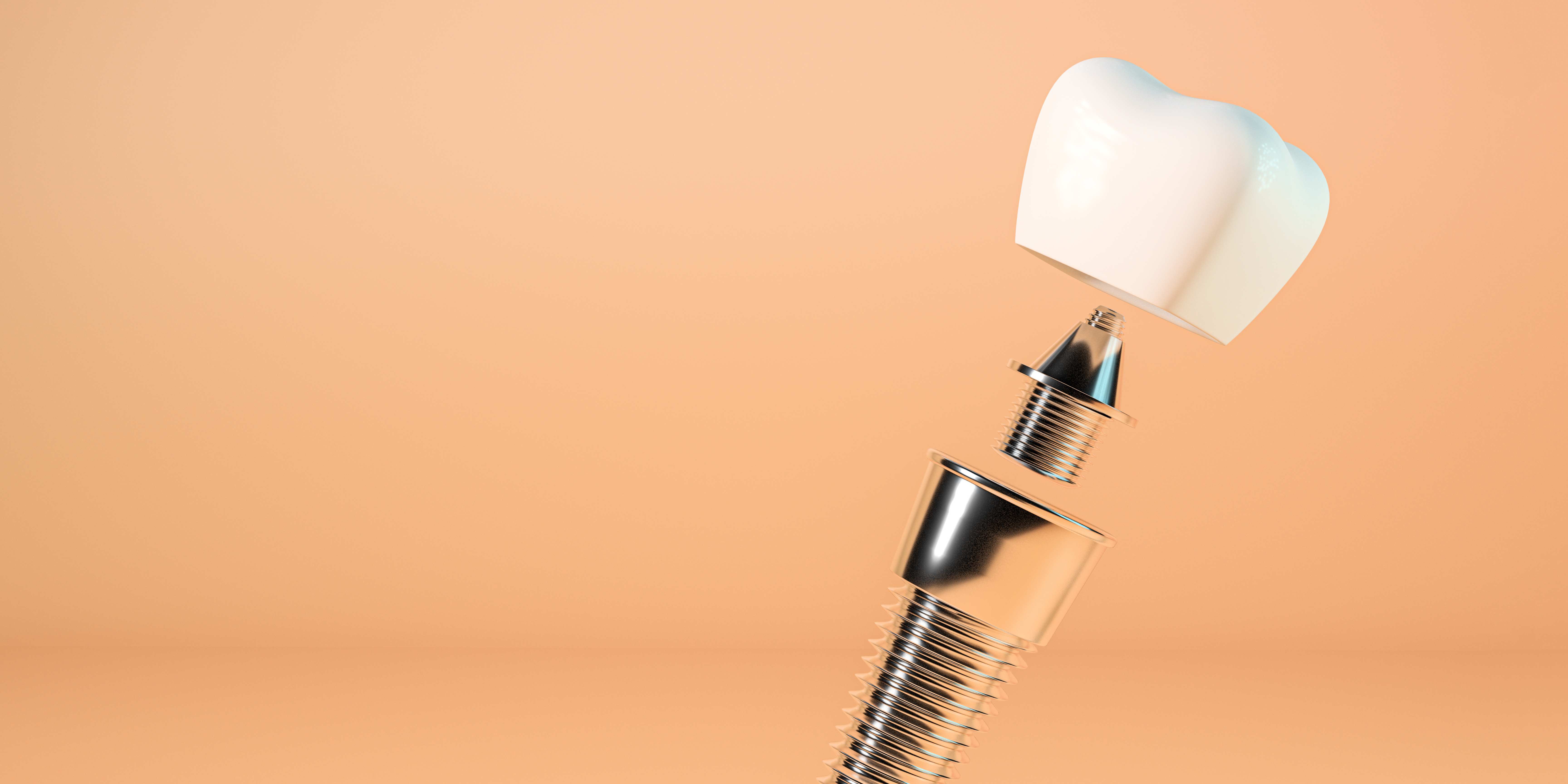
Losing a tooth can affect more than the appearance of your smile. A missing tooth may make it harder to chew, change the way you speak, affect your confidence, and eventually cause changes in your jawbone and surrounding teeth.
If you are researching dental implants in Washington, DC, you may be wondering whether the treatment is truly worth the time and financial investment. For many patients, dental implants are one of the most reliable and natural-looking options for long-term missing tooth replacement.
At W Plus Dental in Washington, DC, Dr. John Ku helps patients determine whether dental implants are the right solution based on their oral health, treatment goals, lifestyle, and budget.
A dental implant is a small, biocompatible post that is placed into the jawbone to replace the root of a missing tooth. After the implant integrates with the surrounding bone, it can support a custom dental crown that is designed to look and function like a natural tooth.
A complete dental implant restoration typically includes three parts:
Unlike removable tooth replacement options, a dental implant becomes a stable part of your smile. Learn more about the complete treatment process on our Dental Implants page.
For many patients, dental implants are worth the investment because they provide long-term stability, natural function, and lasting improvements to oral health. Although implants may initially cost more than certain alternatives, they are designed to last for many years with proper care. Other tooth replacement options may need to be repaired, adjusted, or replaced more frequently.
When deciding whether dental implants are worth it, it is helpful to consider the following benefits.
Visit our Smile Gallery to see real patient transformations completed at W Plus Dental!
A properly planned implant restoration is designed to blend with your surrounding teeth. The dental crown can be customized to match the shape, size, color, and proportions of your smile.
Because the implant is anchored in the jawbone, it also feels more stable than a removable appliance. Most patients can speak, smile, and eat without worrying about the restoration shifting.
A missing tooth can make it difficult to chew comfortably or enjoy certain foods. Some patients begin chewing primarily on one side of their mouth, which may place additional pressure on the remaining teeth. Dental implants provide a strong foundation for chewing and can help restore more balanced oral function.
Natural tooth roots stimulate the jawbone. When a tooth is lost, the bone in that area no longer receives the same stimulation and may gradually begin to shrink.
A dental implant replaces the missing tooth root and helps maintain stimulation within the jawbone. This can help preserve the structure of the mouth and support the surrounding facial features.
A traditional dental bridge usually relies on the teeth next to the empty space for support. Those neighboring teeth may need to be reshaped so they can hold crowns. A dental implant can replace a missing tooth independently, which means the surrounding healthy teeth typically do not need to be reduced.
Dental implants are designed to be a long-term tooth replacement solution. The implant itself may last for decades when supported by healthy gums, good bone levels, proper oral hygiene, and regular dental care.
The crown attached to the implant may eventually need to be repaired or replaced due to normal wear, but the implant underneath may remain stable.
The right treatment depends on how many teeth are missing, the condition of your remaining teeth, your bone levels, and your personal preferences.
A dental bridge can replace a missing tooth by using the teeth on either side of the space for support. Bridges can be an effective option, but they do not replace the missing tooth root or provide direct stimulation to the jawbone.
Dental implants are supported by the jawbone and usually do not require reshaping the adjacent teeth.
A removable partial denture may replace several missing teeth and can often be completed at a lower initial cost. However, removable appliances may shift, require periodic adjustments, and feel less natural than implant-supported restorations.
Dental implants offer greater stability because they are anchored directly into the jawbone.
Leaving a missing tooth untreated may lead to additional dental concerns. Nearby teeth can begin shifting toward the empty space, your bite may change, and bone loss can occur in the area. Replacing the missing tooth can help restore function and reduce the risk of future complications.
Dental implants can last many years, and in some cases a lifetime, with proper care. Their longevity depends on several factors, including:
The visible dental crown may experience normal wear over time and may eventually require replacement. Regular checkups allow your dentist to monitor the implant, crown, surrounding gums, and bone. Schedule routine care through our Dental Checkups and Cleanings.
Dental implant placement is typically performed with local anesthesia to keep the treatment area numb. Sedation options may also be available depending on your procedure and comfort level.
After treatment, it is normal to experience temporary swelling, tenderness, or mild discomfort. These symptoms can often be managed with your dentist’s recommended aftercare instructions and medications. Many patients find that the temporary recovery period is manageable, especially when compared with the long-term benefits of restoring a missing tooth.
The length of treatment varies from patient to patient. Some people may be able to receive an implant shortly after a tooth extraction, while others may need additional healing or bone grafting before implant placement.
A typical process may include:
The complete process may take several months because the implant needs time to integrate securely with the surrounding bone. This healing period helps create a stable foundation for the final restoration.
You may be a candidate for dental implants if you:
A consultation is necessary to determine whether implants are appropriate for your specific needs.
Dental implants may not be recommended immediately if you have active gum disease, untreated tooth decay, insufficient bone, certain uncontrolled medical conditions, or habits that may interfere with healing.This does not always mean that implants are permanently unavailable. Additional treatments, such as periodontal therapy or bone grafting, may help prepare your mouth for implant placement.
Your dentist will review your health history, examine your teeth and gums, and evaluate your jawbone before recommending treatment.
The cost of dental implants in Washington, DC depends on the complexity of the treatment and the number of teeth being replaced.
Factors that may affect the total cost include:
Dental implants may have a higher upfront cost than some alternatives, but their durability and long-term benefits can make them a valuable investment. During your consultation at W Plus Dental, our team can explain your treatment plan, expected costs, insurance benefits, membership options, and available financing.
Learn more on our Insurance and Payment Options page.
A single dental implant can be an excellent solution for one missing tooth. It restores the tooth without relying on neighboring teeth for support and helps maintain the bone beneath the missing space. A custom crown is attached to the implant and designed to blend naturally with the rest of your smile.
Dental implants can also replace multiple missing teeth. Depending on the location and number of missing teeth, implants may support individual crowns, an implant-supported bridge, or a full-arch restoration.
Patients who are missing most or all of their teeth may be candidates for All-on-X dental implants.
Visit our All-on-X Dental Implants page to learn about full-arch tooth replacement.
Age alone does not determine whether someone is eligible for dental implants. Many older adults are successful implant candidates when they have adequate bone support, healthy gums, and medical conditions that are properly managed.
Dental implants can help older adults maintain a varied diet, speak more comfortably, and avoid some of the movement associated with removable dentures. A complete evaluation is the best way to determine whether treatment is appropriate.
The implant and implant crown cannot develop a cavity because they are not made from natural tooth structure. However, bacteria can still affect the gum tissue and bone surrounding the implant.
Daily brushing, flossing, professional cleanings, and regular examinations are essential for protecting your implant.
Dental implants have a strong record of success, but complications are possible. Implant failure may be related to infection, poor healing, inadequate bone support, smoking, uncontrolled medical conditions, excessive bite pressure, or poor oral hygiene.
Careful planning and consistent maintenance can help reduce these risks.
Yes. A dental implant can be used to replace a missing front tooth. The final crown is carefully designed to match the neighboring teeth and create a natural-looking result.
Front-tooth implants require detailed planning because the gumline, tooth proportions, and surrounding bone all influence the final appearance.
After the implant has healed and the permanent restoration has been placed, most patients can eat a wide variety of foods comfortably.
You should still avoid using your teeth to open packages or chewing excessively hard objects, as these habits can damage natural teeth and dental restorations.
Dental implants should be brushed at least twice a day and cleaned around the gumline every day. Depending on the restoration, your dentist may recommend traditional floss, floss threaders, interdental brushes, or a water flosser.
Coverage varies by insurance plan. Some policies may contribute toward parts of the treatment, while others may classify implants as an elective service.
Our team can help you review your benefits and discuss available payment options.
Dental implants generally provide greater stability and may feel more natural than removable dentures. However, the best option depends on your oral health, treatment goals, finances, and the number of missing teeth.
Some patients may be eligible for implant placement at the time of extraction. Others may need to wait for the area to heal or complete bone grafting first.
The timing will be determined after examining the tooth, surrounding bone, gum tissue, and any existing infection.
Waiting may allow nearby teeth to shift, change the bite, and contribute to bone loss in the area. Replacing the tooth sooner may help preserve the space and simplify future treatment.
For many patients, yes. Dental implants can restore appearance, chewing function, stability, and confidence while helping preserve the jawbone and surrounding teeth.
Their long-term value depends on proper treatment planning, skilled placement, healthy gums, and consistent home care.
Dental implants can be a worthwhile investment for patients who want a stable, natural-looking, and long-term solution for missing teeth. The best way to determine whether they are right for you is through a personalized consultation. Dr. John Ku and the team at W Plus Dental will evaluate your oral health, discuss your missing tooth replacement options, and create a treatment plan based on your specific goals.
Contact W Plus Dental today to schedule a dental implant consultation in Washington, DC and take the next step toward restoring your smile.
Contact us or schedule your appointment online to experience trusted dental care in Washington DC.

What should you eat after dental surgery? Learn the best foods and foods to avoid after dental implants, gum grafts, tooth extractions, and other dental procedures..
Click to Read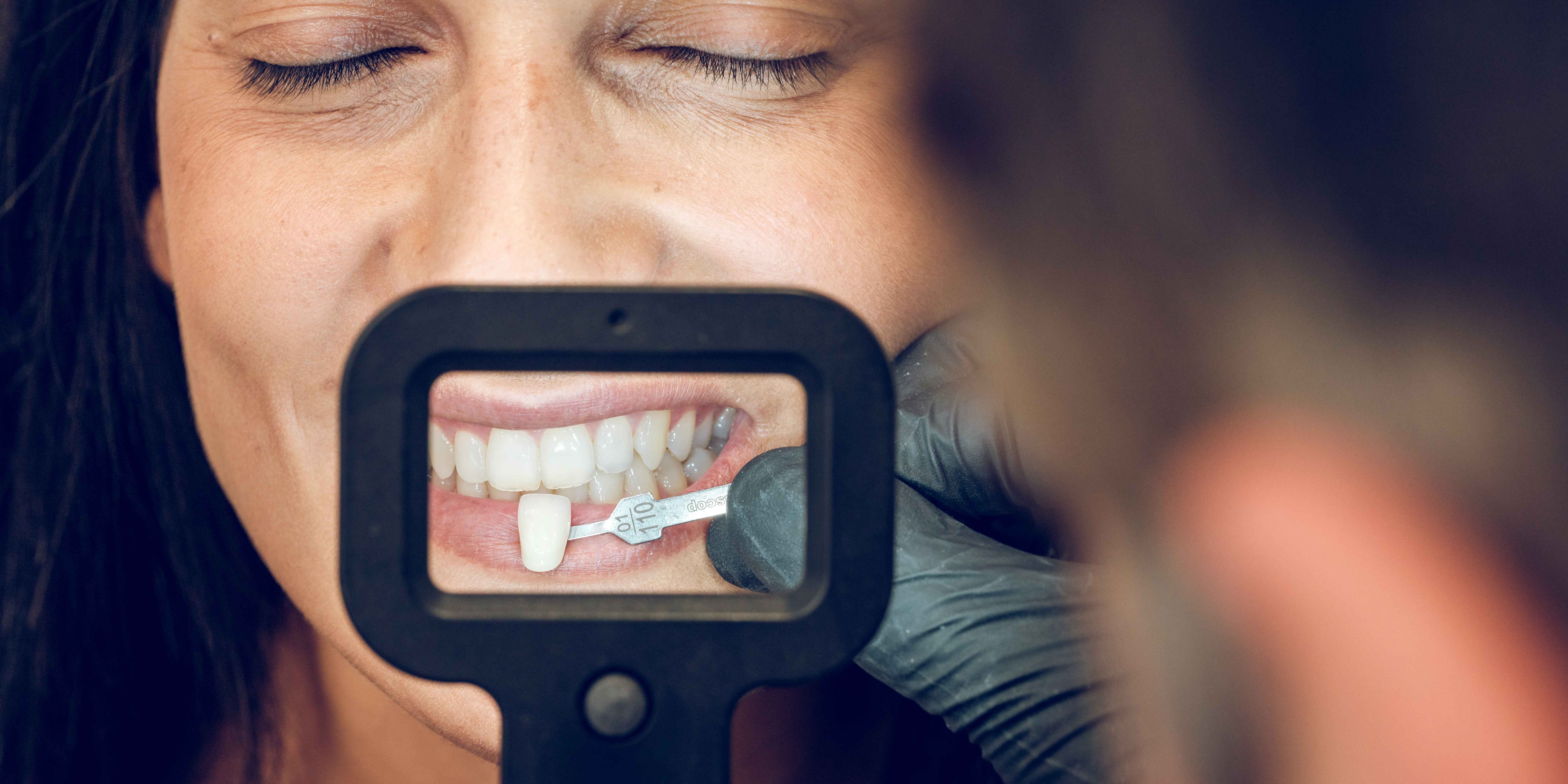
Considering porcelain veneers? Learn what to expect before, during, and after veneer treatment.
Click to Read
Can gum disease be reversed? The answer depends on how far the condition has progressed. Learn how gingivitis and periodontitis are treated.
Click to Read



We look forward to meeting you. Contact us today to schedule an appointment.
(202) 871-7473Contact@WPlusDental.comMonday-Thursday 8AM - 4PM
Friday8AM - 3PM


