
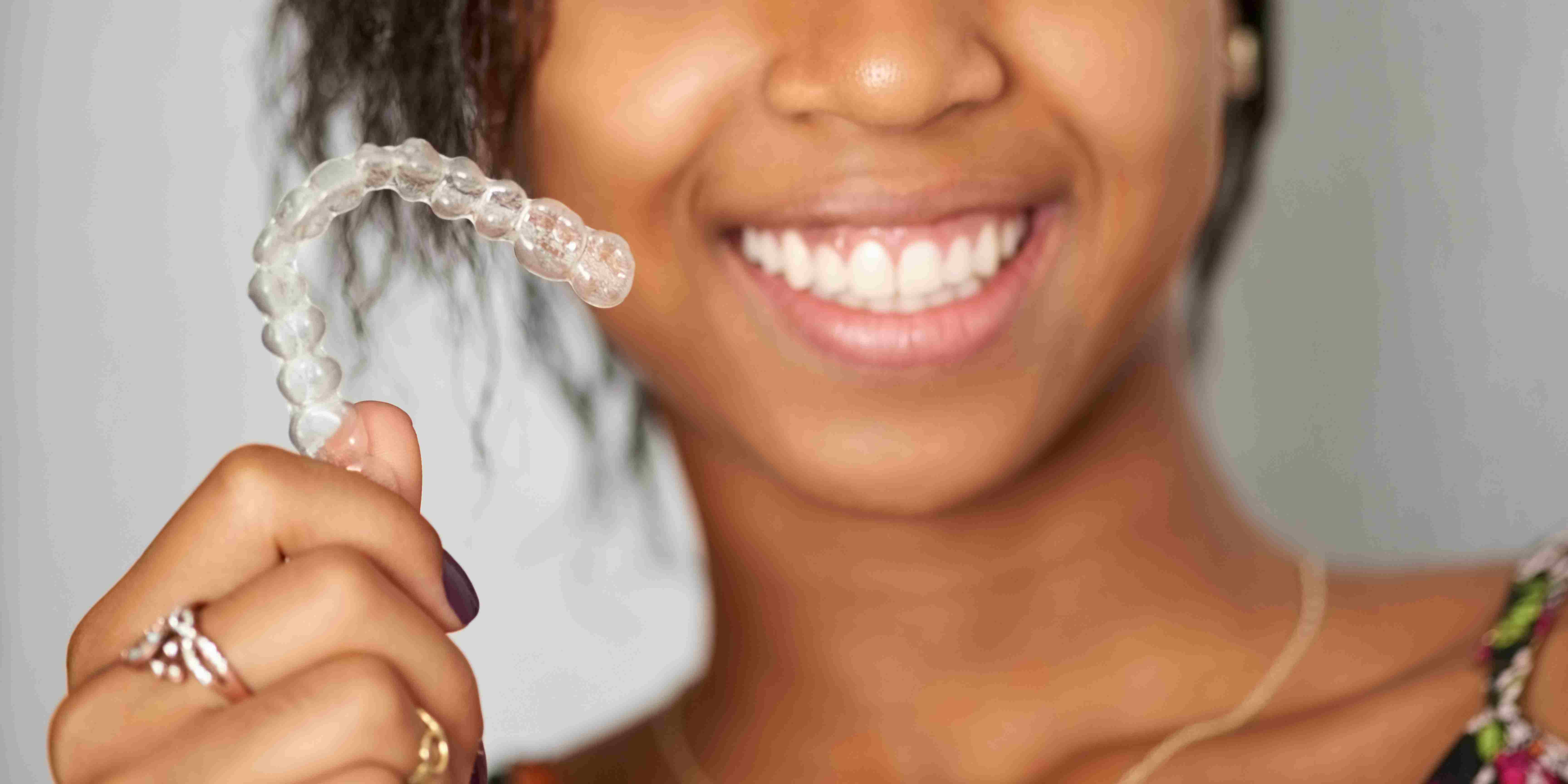
If you want a straighter smile but do not want traditional metal braces, Invisalign may be a great option. Invisalign clear aligners are designed to gradually move the teeth into better alignment using a series of custom-made, removable trays.
Many patients ask whether Invisalign can fix more than just slightly crooked teeth. The answer is yes, Invisalign can often help correct crowded teeth, gaps between teeth, and certain bite issues. However, every smile is different. The best way to know if you are a candidate is to schedule an Invisalign consultation with an experienced dentist.
At W Plus Dental in Washington, DC, we offer clear aligner treatment for patients who want a more discreet, comfortable, and convenient way to improve their smile.
Invisalign is an orthodontic treatment that uses clear, removable aligners to gradually shift the teeth. Instead of brackets and wires, patients wear a series of custom aligners that are designed to move the teeth step by step.
The aligners are nearly invisible when worn, making them a popular option for adults and professionals who want to straighten their teeth without the look of traditional braces.
Invisalign aligners are also removable, which means you can take them out to eat, drink, brush, and floss. This makes treatment easier to fit into a busy lifestyle while still helping patients achieve a healthier, more aligned smile.
Yes, Invisalign can often fix crowded teeth. Crowding happens when there is not enough space in the mouth for the teeth to sit in proper alignment. As a result, teeth may overlap, twist, or appear crooked.
Crowded teeth are not just a cosmetic concern. When teeth overlap, it can be harder to brush and floss effectively. This may increase the risk of plaque buildup, cavities, gum inflammation, and bad breath.
Treating crowded teeth can improve the appearance of your smile while also making it easier to maintain good oral hygiene.
Invisalign for crowded teeth works by gently guiding the teeth into better positions over time. Depending on your case, your treatment plan may create space by slightly widening the arch, adjusting tooth position, or using carefully planned tooth movement.
For many mild to moderate crowding cases, Invisalign can be an excellent option. More complex crowding may require additional planning or a different orthodontic approach.
Yes, Invisalign can often close gaps between teeth. Gaps, also called spacing, can occur for several reasons, including smaller teeth, natural jaw spacing, missing teeth, gum issues, or previous orthodontic relapse.
Some patients want to close gaps for cosmetic reasons, especially if the spaces are visible when they smile. However, gaps can also trap food and make certain areas harder to clean.
If gaps are caused by gum disease or missing teeth, those concerns may need to be addressed before or along with orthodontic treatment.
Invisalign aligners can be designed to move teeth closer together gradually. Small to moderate gaps often respond well to clear aligner treatment. Larger gaps may require additional evaluation to determine whether Invisalign, dental bonding, veneers, implants, or another treatment is the best option.
At W Plus Dental, we can evaluate your smile and recommend the best approach based on your goals, bite, and overall oral health.
Invisalign can help improve certain bite issues, depending on the severity of the case. A bite issue occurs when the upper and lower teeth do not come together properly.
Common bite concerns include:
An overbite occurs when the upper front teeth overlap the lower front teeth too much. Invisalign may help improve certain overbite cases by gradually moving the teeth into a better position.
An underbite occurs when the lower teeth sit in front of the upper teeth. Some mild to moderate underbite cases may be treated with Invisalign, but more severe underbites may require additional orthodontic or surgical treatment.
A crossbite happens when some upper teeth sit inside the lower teeth instead of outside them. Invisalign may help correct certain crossbite cases by moving the teeth into healthier alignment.
An open bite occurs when the upper and lower teeth do not touch when the mouth is closed. Invisalign may help improve some open bite cases, depending on the cause and severity.
A misaligned bite can affect more than the appearance of your smile. Bite issues may contribute to uneven tooth wear, jaw discomfort, difficulty chewing, gum recession, and a higher risk of dental problems over time.
Correcting bite alignment can help support better function, comfort, and long-term oral health.
You may be a good candidate for Invisalign if you have mild to moderate crowding, gaps, or bite issues and want a more discreet alternative to braces.
Invisalign may be a good fit if you:
The best candidates are patients who can wear their aligners consistently. Since Invisalign aligners are removable, patient compliance plays a major role in treatment success.
While Invisalign is a great option for many patients, it may not be ideal for every case. Severe crowding, major tooth rotations, large gaps, significant bite problems, or jaw-related issues may require a different orthodontic approach.
That does not mean Invisalign is off the table. It simply means your dentist needs to evaluate your teeth, bite, and goals to determine the most effective treatment plan.
At W Plus Dental, we will be honest about whether Invisalign is the right option for your smile or if another treatment may give you a better result.
Your Invisalign consultation is the first step toward finding out whether clear aligners are right for you.
During your visit, our team may:
Our goal is to create a personalized plan that helps you achieve a straighter, healthier smile in a way that feels comfortable and realistic for your lifestyle.
Patients choose Invisalign for many reasons, especially adults who want a straighter smile without the appearance of traditional braces.
Benefits of Invisalign may include:
For patients searching for clear aligners in DC, Invisalign can be a convenient and confidence-boosting option.
Invisalign and braces can both straighten teeth and improve alignment. The right choice depends on your specific dental needs.
Invisalign may be better for patients who want a discreet, removable option and have mild to moderate alignment concerns. Braces may be better for more complex orthodontic cases, severe bite problems, or tooth movements that require more control.
At W Plus Dental, we can help you understand your options and determine whether Invisalign is a good fit for your smile.
Visit our Smile Gallery to see real patient transformations completed at W Plus Dental
If you have crowded teeth, gaps, or bite issues, Invisalign may be able to help you achieve a straighter and healthier smile without traditional braces.
At W Plus Dental in Washington, DC, we provide personalized Invisalign consultations and clear aligner treatment designed around your smile, lifestyle, and goals. Contact W Plus Dental today to schedule your Invisalign consultation and find out if clear aligners are right for you.
Yes, Invisalign can often fix mild to moderate crowded teeth. Invisalign aligners gradually move the teeth into better alignment, which can improve both the appearance of your smile and your ability to clean between your teeth.
Yes, Invisalign can often close small to moderate gaps between teeth. Larger gaps may require additional evaluation to determine whether Invisalign, bonding, veneers, or another treatment is the best option.
Invisalign may be able to improve certain overbite cases. The best way to know if Invisalign can correct your overbite is to schedule a consultation with a dentist who can evaluate your bite.
Some mild to moderate underbite cases may be treated with Invisalign. More severe underbites may require additional orthodontic treatment or another approach.
Invisalign may help correct certain crossbite cases by moving the teeth into better alignment. Your dentist will need to evaluate the severity of your crossbite to determine if clear aligners are appropriate.
No. While Invisalign can improve the appearance of your smile, it can also improve tooth alignment and bite function. Straighter teeth may be easier to clean and may help reduce uneven wear or bite-related issues.
Treatment time depends on the complexity of your case and how consistently you wear your aligners. Some cases may be completed in several months, while others may take longer. Your dentist will provide a more accurate estimate during your consultation.
Invisalign aligners should typically be worn for most of the day and night, only being removed for eating, drinking anything besides water, brushing, and flossing. Consistent wear is important for achieving the best results.
You can schedule a clear aligner consultation at W Plus Dental in Washington, DC. Our team can evaluate your smile and determine whether Invisalign is right for your crowded teeth, gaps, or bite concerns.
Contact us or schedule your appointment online to experience trusted dental care in Washington DC.

What should you eat after dental surgery? Learn the best foods and foods to avoid after dental implants, gum grafts, tooth extractions, and other dental procedures..
Click to Read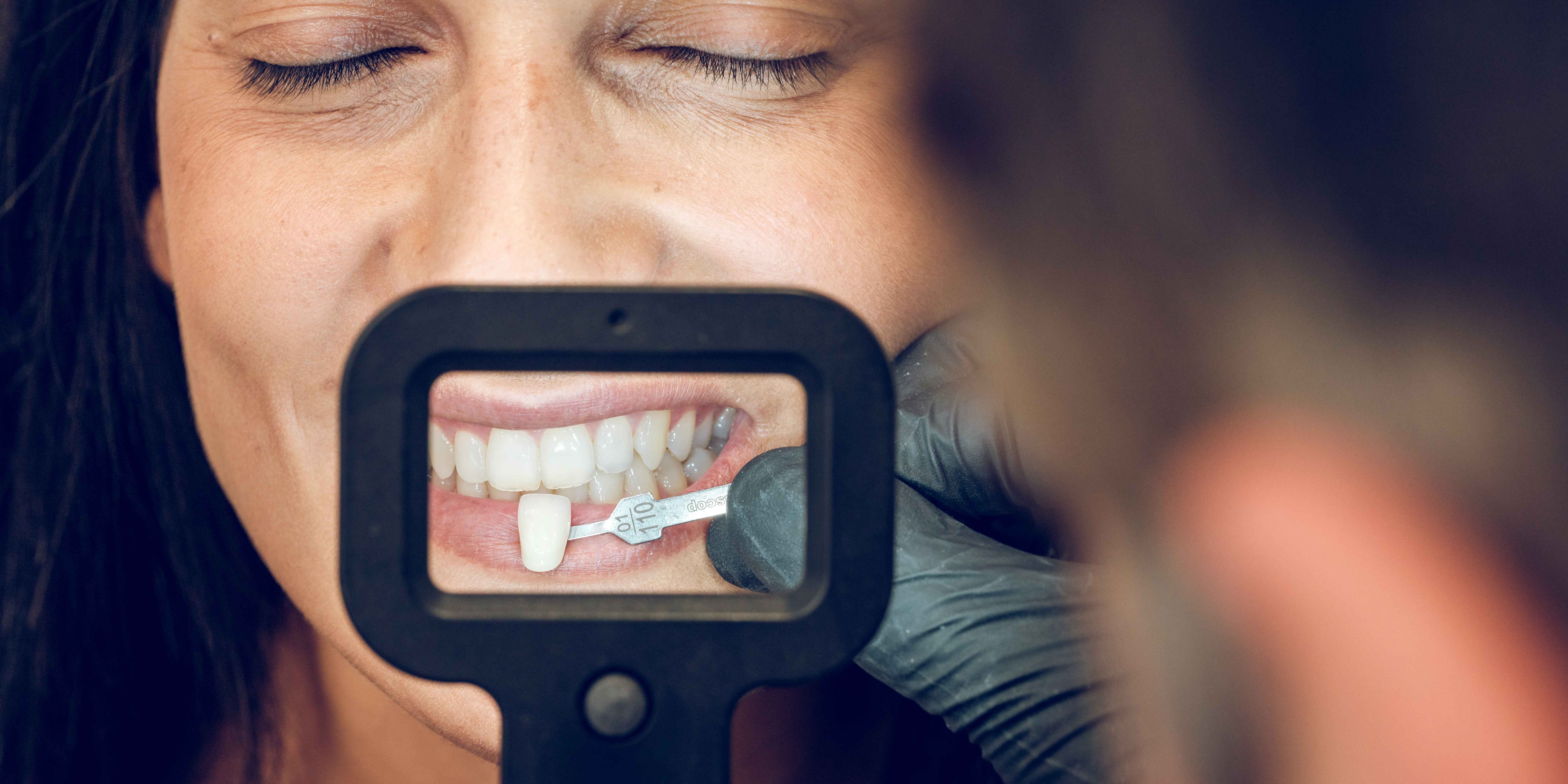
Considering porcelain veneers? Learn what to expect before, during, and after veneer treatment.
Click to Read
Can gum disease be reversed? The answer depends on how far the condition has progressed. Learn how gingivitis and periodontitis are treated.
Click to Read



We look forward to meeting you. Contact us today to schedule an appointment.
(202) 871-7473Contact@WPlusDental.comMonday-Thursday 8AM - 4PM
Friday8AM - 3PM


