
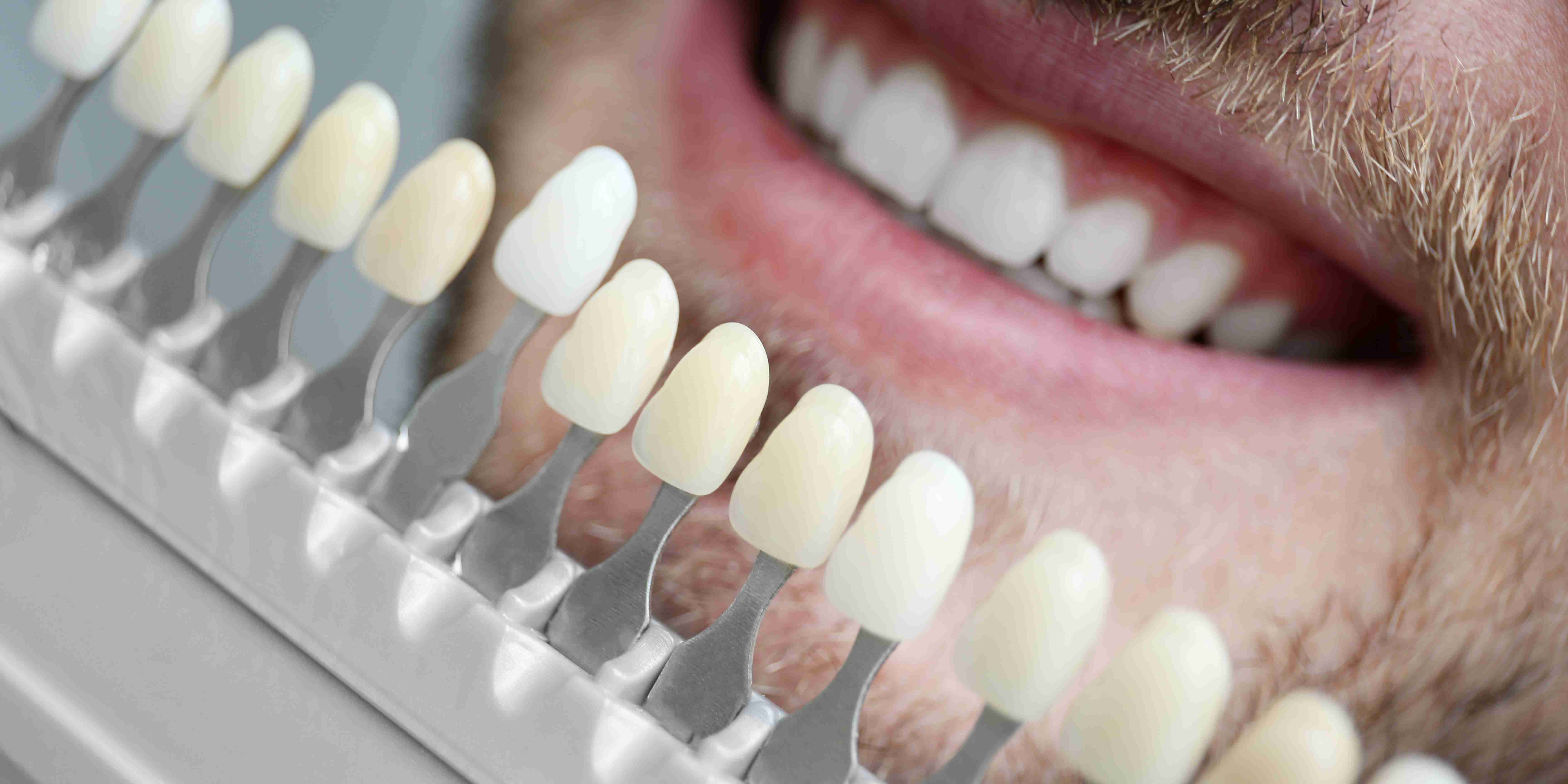
Porcelain veneers can completely change the appearance of your smile by improving the color, shape, size, spacing, and overall balance of your teeth. However, choosing veneers is an important decision, and understanding the treatment process can help you feel more comfortable and confident before getting started.
At W Plus Dental, we provide personalized cosmetic dentistry for patients looking for high-quality porcelain veneers in Washington, DC. Every smile is different, so your treatment begins with a detailed evaluation and a conversation about what you would like to improve.
Below, we explain what porcelain veneers are, who may be a candidate, and what you can expect before, during, and after treatment.
Porcelain veneers are thin, custom-made ceramic restorations that are bonded to the front surfaces of the teeth. They are designed to look like natural enamel while improving visible cosmetic concerns.
Veneers may be used to improve the appearance of teeth that are:
Unlike a dental crown, which covers the entire tooth, a veneer primarily covers the visible front surface. Porcelain veneers are customized to complement your facial features, gumline, natural teeth, and overall smile.
Patients searching for veneers in DC often want more than simply whiter teeth. They may want to correct several cosmetic concerns at once and create a smile that looks brighter, more balanced, and more symmetrical.
Visit our Smile Gallery to see real patient transformations completed at W Plus Dental!
Porcelain veneers may be a good option for patients who are generally happy with their oral health but would like to improve the appearance of their smile.
You may be a candidate if you:
Before veneers are placed, problems such as tooth decay, active gum disease, or untreated infection should be addressed. Placing veneers over unhealthy teeth may allow an existing dental problem to become worse.
During your consultation at W Plus Dental, we will examine your teeth, gums, bite, and existing dental work to determine whether veneers are appropriate for your smile.
Veneers are highly versatile, but they are not the right treatment for every dental concern.
Depending on your needs, we may recommend an alternative or complementary treatment, such as:
In some cases, a personalized smile makeover may combine two or more treatments to create the most natural and predictable result.
The preparation stage is one of the most important parts of the veneer process. Your dentist needs to understand both your cosmetic goals and the condition of your teeth before designing your new smile.
Your first appointment begins with a conversation about what you would like to change.
You may want to improve:
It can be helpful to explain what you like and dislike about your current smile rather than requesting a specific shape or shade immediately. This allows your dentist to consider the overall appearance of your teeth, lips, gums, and facial features.
At W Plus Dental, veneer treatment is carefully personalized. The goal is not to create the same smile for every patient. The goal is to design a result that feels appropriate for you.
Your dentist will evaluate your:
Digital photographs, dental X-rays, and digital scans may also be taken to help plan your treatment.
Any cavities, gum inflammation, or other oral health concerns should be treated before cosmetic veneer placement.
Once your dentist understands your goals, the planning process begins. Your veneer design may consider:
You may also review photographs, digital simulations, or a diagnostic preview to better understand the proposed changes.
The number of veneers you need will depend on your smile and which teeth are visible. Some patients treat one or two teeth, while others place veneers across several front teeth to create a more uniform result.
Choosing the right shade is about more than selecting the brightest possible white.
A natural-looking veneer should have appropriate brightness, translucency, and variation. Your dentist will help you select a shade that complements your skin tone, facial features, and surrounding teeth.
When veneers will be placed on only a few teeth, matching the neighboring natural teeth becomes especially important. Teeth whitening may sometimes be completed before veneer treatment so the veneers can be matched to the newly brightened shade.
Porcelain veneer treatment is commonly completed over multiple appointments. The exact sequence and timeline will depend on the number of teeth being treated and the complexity of your case.
To prepare a tooth for a traditional porcelain veneer, a small amount of enamel is carefully removed from the front and sides of the tooth. This creates space for the porcelain and helps prevent the final restoration from looking bulky.
The amount of preparation varies from patient to patient. Some teeth may require very little adjustment, while others may need more reshaping to achieve the desired result.
Because enamel is removed during traditional veneer treatment, the procedure is generally considered irreversible. It is important to understand this before moving forward.
Local anesthesia may be used to keep you comfortable during tooth preparation.
After the teeth are prepared, a detailed digital scan or impression is taken.
This record captures the exact shape and position of your teeth so your veneers can be custom-made. Your dentist will also provide the laboratory with detailed information about the desired shape, shade, surface texture, and overall appearance.
Depending on your treatment plan, temporary veneers may be placed while your final porcelain restorations are being created.
Temporary veneers help:
Temporary veneers are not as strong or polished as the final porcelain restorations. You may be advised to avoid very hard, sticky, or crunchy foods while wearing them.
You should also contact the office if a temporary veneer becomes loose, breaks, or feels uncomfortable.
Your final veneers are made to fit your individual teeth and smile design.
The dental laboratory carefully creates each restoration according to the dentist’s specifications. Attention is given to the veneer’s shape, color, texture, translucency, and relationship to the surrounding teeth.
This customization is one reason porcelain veneers can look highly natural when they are carefully planned and placed.
When your veneers are ready, your dentist will temporarily position them on your teeth to evaluate:
This is an important stage of treatment. Minor adjustments may be made before the veneers are permanently bonded.
You will also have an opportunity to view the proposed result and discuss any concerns.
Once the fit and appearance have been approved, the teeth are cleaned and prepared for bonding.
A dental bonding material is used to secure each veneer to the tooth. The veneers are carefully positioned, and a specialized light is used to harden the bonding material.
Your dentist will then remove any excess material, polish the restorations, and check your bite. Adjustments may be made to ensure that your teeth come together comfortably.
Most patients can return to their normal daily activities shortly after their veneers are placed. You should wait until any numbness has completely worn off before eating to avoid accidentally biting your cheek, lip, or tongue.
You may experience:
These sensations often improve as you become accustomed to your new veneers.
Contact W Plus Dental if your bite feels uneven, a veneer feels loose, or you experience persistent discomfort. A small adjustment may be needed.
It may take several days for your veneers to begin feeling completely natural.
Your tongue and lips need time to adjust to the new shape and contours of your teeth. Your bite may also feel slightly different at first, especially if the length or position of the teeth has changed.
Most patients adapt quickly. However, you should not ignore ongoing pain, significant sensitivity, or a bite that continues to feel uncomfortable.
Porcelain veneers do not require an entirely separate hygiene routine, but they do require consistent care.
Brush twice daily with a soft-bristled toothbrush and nonabrasive fluoride toothpaste. Floss between your teeth at least once a day.
Although porcelain itself cannot develop a cavity, the natural tooth underneath and around the veneer can still decay. Daily oral hygiene is essential for protecting both your teeth and gums.
Continue visiting W Plus Dental for routine dental checkups and cleanings.
During these appointments, we can monitor:
Regular preventive care can help protect your cosmetic investment and identify small concerns before they become larger problems.
Do not use your teeth to:
These habits can place excessive pressure on both natural teeth and veneers.
Porcelain veneers are designed for normal eating, but they are not indestructible.
Avoid biting directly into extremely hard foods with veneered front teeth. Cut foods such as hard apples, raw carrots, or tough bread into smaller pieces and chew with your back teeth when possible.
Clenching and grinding can place significant force on veneers.
If you grind your teeth while sleeping, your dentist may recommend a custom nightguard. A nightguard helps distribute pressure and protect your teeth and restorations.
Wear an appropriate mouthguard during contact sports or activities that could cause an injury to your mouth.
Porcelain is generally more resistant to staining than natural tooth enamel, but the surrounding natural teeth can still change color over time.
Coffee, tea, red wine, tobacco products, and strongly pigmented foods may affect the overall appearance of your smile. The edges where veneers meet natural tooth structure may also become more noticeable if plaque or staining accumulates.
Good oral hygiene, regular professional cleanings, and moderation with staining foods and beverages can help preserve your results.
Teeth-whitening products will not change the color of porcelain veneers. For this reason, whitening is often completed before veneer shade selection when appropriate.
Porcelain veneers are durable, but they are not considered lifetime restorations.
Their longevity depends on several factors, including:
A veneer may eventually chip, loosen, wear, or require replacement. Patients should plan for the possibility of future maintenance when considering treatment.
When properly planned, porcelain veneers can offer several cosmetic benefits.
Porcelain can be designed to reflect light in a way that resembles natural enamel. The shade, translucency, texture, and shape can all be customized.
Veneers may improve several concerns at the same time, including discoloration, minor gaps, uneven edges, chips, and irregular tooth shapes.
Each veneer is created for the individual tooth and patient. Your dentist can control the size, shape, color, and proportions of the final restorations.
Porcelain generally resists staining better than natural tooth enamel, although good oral hygiene and regular cleanings remain important.
Once the final veneers are bonded, the shape and appearance of the treated teeth are immediately transformed.
Before choosing porcelain veneers, consider asking your dentist:
A thorough consultation should give you a clear understanding of the process, benefits, limitations, and expected results.
Yes. Porcelain veneers can be customized to match the color, translucency, shape, and surface texture of natural teeth. Careful treatment planning is essential to creating a balanced result that complements your face and smile.
Local anesthesia can be used during tooth preparation to keep you comfortable. Some patients experience temporary sensitivity or mild gum tenderness after treatment, but significant pain is not expected.
Porcelain veneers commonly require a consultation and planning visit, a preparation appointment, and a final placement appointment. Additional visits may be needed depending on your oral health, treatment goals, and the number of teeth being treated.
Traditional porcelain veneers typically require the removal of a small amount of enamel. The amount varies based on tooth position, veneer design, and the desired cosmetic changes. Your dentist will explain how much preparation is expected before treatment begins.
Veneers may improve the appearance of mild misalignment or uneven tooth shapes. More significant crowding or bite problems may be better treated with Invisalign or another orthodontic option before cosmetic treatment.
Porcelain veneers may be used to close small spaces between teeth by carefully adjusting their width and shape. Larger gaps may require orthodontic treatment or a combination of treatments.
Yes. The natural tooth around or beneath a veneer can still develop decay. Brushing, flossing, professional cleanings, and regular dental examinations remain essential.
No. Teeth-whitening treatments do not change the shade of porcelain. If you are considering whitening, it may be recommended before your final veneer shade is selected.
Contact your dentist as soon as possible. Depending on the condition of the veneer and underlying tooth, the restoration may be re-bonded, repaired, or replaced. Do not attempt to glue it back in place yourself.
Traditional porcelain veneer treatment is generally considered irreversible because some enamel is removed. The veneers themselves may eventually need to be repaired or replaced.
Veneers are commonly considered a cosmetic treatment and are not typically covered by dental insurance. Coverage can vary, so patients should review their individual benefits and treatment estimate.
The cost of veneers depends on the number of teeth being treated, the complexity of the case, the materials used, and whether additional dental care is needed. After your cosmetic consultation, W Plus Dental can provide a personalized treatment plan and cost estimate.
Porcelain veneers require careful planning, precise preparation, and an understanding of how each tooth contributes to the overall smile.
At W Plus Dental, Dr. John Ku and our dental team take a personalized approach to cosmetic dentistry. We evaluate your teeth, gums, bite, facial features, and individual goals before recommending treatment.
Our Washington, DC dental office offers comprehensive care in one location, including:
You can also visit our before-and-after smile gallery to see examples of cosmetic and restorative dental transformations completed for real patients.
A beautiful veneer result should look natural, feel comfortable, and complement your individual features. The first step is a comprehensive consultation to determine whether veneers are the right choice for your teeth and goals.
If you are considering porcelain veneers in Washington, DC, schedule an appointment with W Plus Dental. Dr. John Ku and our experienced team will evaluate your smile, explain your treatment options, and create a personalized plan designed around the results you want to achieve.
Contact W Plus Dental in Washington, DC today to schedule your cosmetic dentistry consultation and learn how porcelain veneers can transform your smile.
Contact us or schedule your appointment online to experience trusted dental care in Washington DC.

What should you eat after dental surgery? Learn the best foods and foods to avoid after dental implants, gum grafts, tooth extractions, and other dental procedures..
Click to Read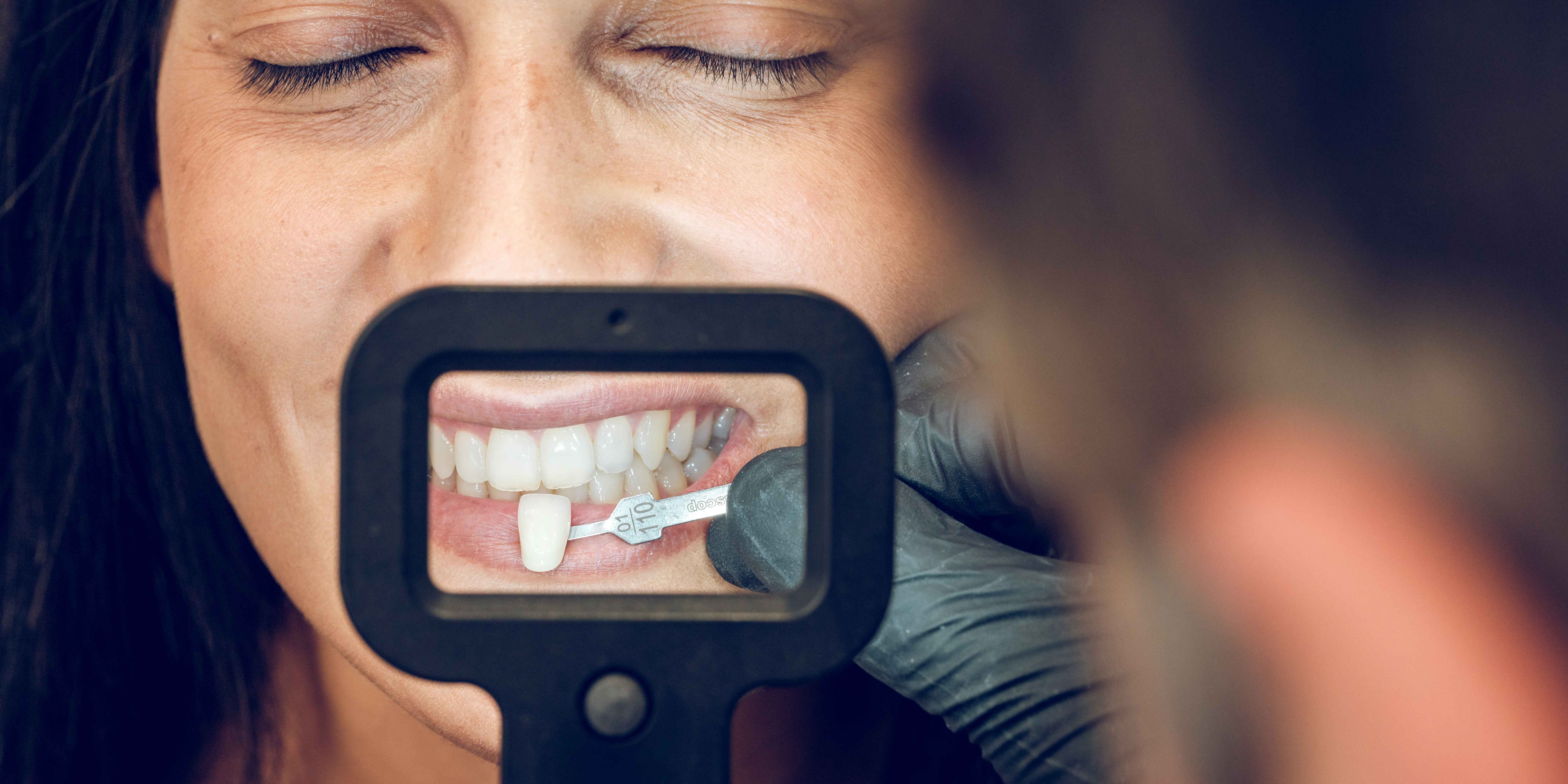
Considering porcelain veneers? Learn what to expect before, during, and after veneer treatment.
Click to Read
Can gum disease be reversed? The answer depends on how far the condition has progressed. Learn how gingivitis and periodontitis are treated.
Click to Read



We look forward to meeting you. Contact us today to schedule an appointment.
(202) 871-7473Contact@WPlusDental.comMonday-Thursday 8AM - 4PM
Friday8AM - 3PM


