
Healthy gums are the foundation of a healthy smile. At W Plus Dental in Washington, DC, we provide comprehensive periodontal care designed to prevent, diagnose, and treat conditions affecting the gums and supporting structures around your teeth. Periodontal care can range from routine monitoring and treatment for bleeding gums and early gum disease to more advanced procedures such as scaling and root planing, periodontal maintenance, gum grafting, and treatment for gum recession.


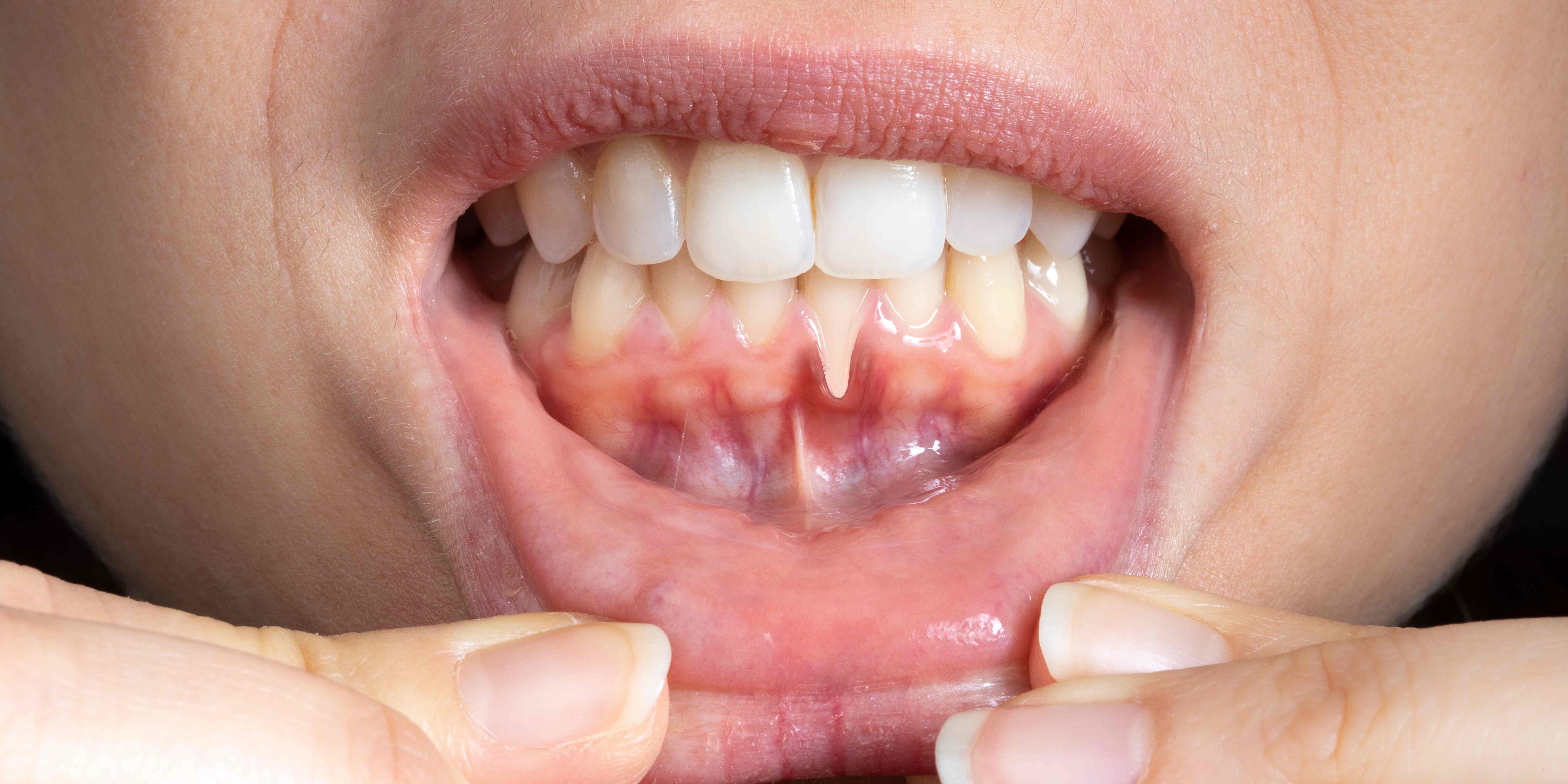
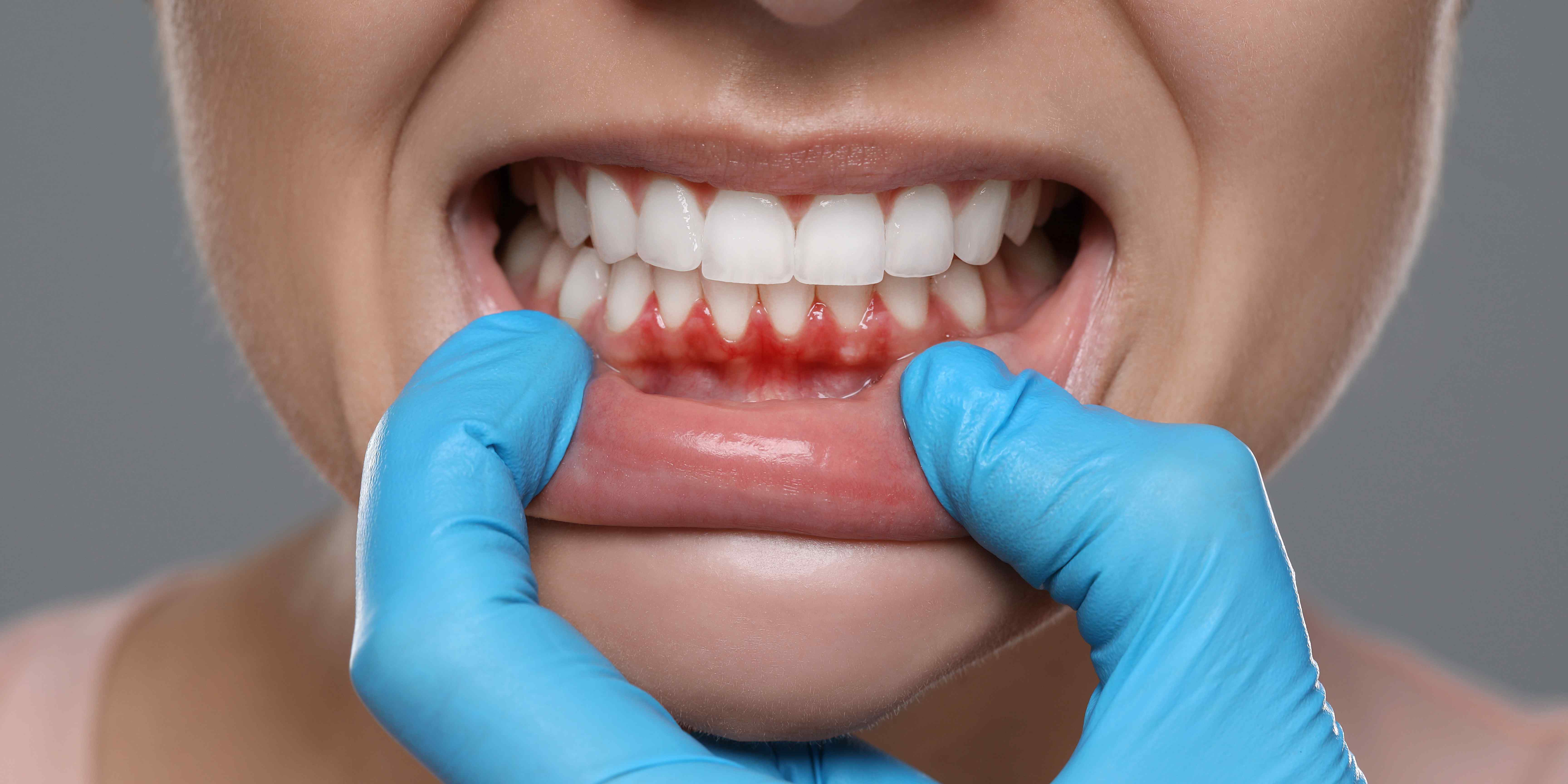

Periodontal care focuses on the health of your gums, jawbone, and the tissues that support your teeth. While regular dental cleanings are important for preventing plaque and tartar buildup, some patients require additional periodontal treatment when bacteria and inflammation begin affecting the deeper tissues surrounding the teeth.
Periodontal care may include:
The goal is to control inflammation and infection, protect the supporting bone and gums, and help patients maintain their natural teeth whenever possible.
Periodontal disease, commonly called gum disease, is a chronic inflammatory condition caused by bacteria accumulating around and below the gumline.
In its earliest stage, known as gingivitis, the gums may appear red, swollen, or bleed when brushing and flossing. Gingivitis can often be reversed when the bacterial buildup is properly removed and oral hygiene improves. When inflammation progresses deeper below the gums, it can develop into periodontitis. At this stage, the infection can damage the bone and tissues that support the teeth.
Periodontal disease does not always cause pain, especially in its earlier stages. Possible warning signs include:
If you notice changes in your gums, having them evaluated early can help prevent the condition from becoming more advanced.
When bacteria and tartar extend below the gumline, a regular dental cleaning may no longer be enough. Scaling and root planing, commonly called a deep cleaning, is a non-surgical periodontal treatment that removes plaque, tartar, and bacterial buildup from beneath the gums. The tooth roots are also carefully cleaned to create a healthier environment for the gum tissue to heal and reattach more closely around the teeth.
After treatment, we monitor how the gums respond and determine whether additional periodontal care is necessary.
Treating periodontal disease is only the first step. Because periodontitis is a chronic condition, patients who have been treated for gum disease often benefit from ongoing periodontal maintenance.
Periodontal maintenance appointments are typically scheduled more frequently than standard preventive cleanings. The exact interval depends on factors such as:
For many patients, periodontal maintenance is recommended approximately every three months, although your schedule may be adjusted based on your individual needs.
Gum recession occurs when gum tissue pulls away from the tooth, exposing more of the tooth or its root.Recession may develop because of periodontal disease, aggressive brushing, naturally thin gum tissue, tooth position, orthodontic movement, or other factors.
Receding gums may cause:
Depending on the severity and cause of the recession, treatment may involve monitoring, changes to oral hygiene habits, periodontal therapy, or gum grafting.
A gum graft is a periodontal procedure used to add gum tissue to areas where recession has exposed the tooth root or where additional tissue is needed to improve long-term stability.
Gum grafting may help:
There are several gum grafting techniques, and the appropriate approach depends on the location and amount of recession, the surrounding tissue, and your individual anatomy.
Your gums provide support and protection for your teeth. When periodontal disease progresses, inflammation can damage the tissues and bone responsible for keeping your teeth stable.
Without treatment, advanced periodontal disease may contribute to:
Maintaining healthy gums is therefore an important part of preserving both your oral health and your natural teeth.
A periodontal evaluation may include an examination of your gums, measurements around each tooth, dental X-rays, and an assessment of your oral health history.
Your dental team may evaluate:
1. Periodontal Pocket Depths: The small space between your tooth and gum is measured to determine whether deeper periodontal pockets are present.
2. Gum Bleeding and Inflammation: Bleeding can be an important sign of active inflammation around the teeth.
3. Gum Recession: The position of the gumline is evaluated to identify areas where the tooth root may be exposed.
4. Bone Levels: Dental X-rays can help identify whether periodontal disease has caused loss of the bone supporting the teeth.
These findings help determine whether you need routine preventive care, periodontal therapy, or additional treatment.
Periodontal treatment should be based on what is happening in your individual mouth rather than taking a one-size-fits-all approach. At W Plus Dental, we evaluate factors such as gum inflammation, pocket depths, recession, bone levels, bacterial buildup, home care, and your response to treatment.
Depending on your needs, your periodontal care plan may involve initial periodontal therapy followed by ongoing supportive maintenance to help keep inflammation and bacterial buildup under control.
Gingivitis is the earliest stage of gum disease and primarily affects the gum tissue. Periodontitis is a more advanced form of gum disease that can damage the bone and supporting structures around the teeth.
No. Bacterial buildup below the gumline generally needs to be professionally removed. Early gingivitis may improve significantly with professional cleaning and better home care, while periodontitis typically requires ongoing periodontal treatment and maintenance.
Bleeding gums are often associated with inflammation caused by plaque and bacteria. Other factors can also contribute, which is why persistent bleeding should be evaluated by a dental professional.
A deep cleaning, or scaling and root planing, removes plaque, tartar, and bacteria from below the gumline and around the roots of the teeth.
Many patients with periodontal disease are seen approximately every three months, but your recommended schedule will depend on the condition of your gums and your individual risk factors.
No. Gum tissue does not grow back once significant recession has occurred. In certain cases, gum grafting can be used to restore tissue and cover exposed root surfaces.
Not every area of recession requires a gum graft. Treatment depends on the amount of recession, tissue thickness, sensitivity, progression, tooth position, and overall periodontal health.
Yes. Advanced periodontal disease can destroy the bone and tissues supporting the teeth, which may eventually cause teeth to become loose or require removal.
If you are experiencing bleeding gums, gum recession, sensitivity, persistent bad breath, or other signs of periodontal disease, an evaluation can help determine what is happening and whether treatment is necessary.
At W Plus Dental in Washington, DC, we provide personalized periodontal care focused on controlling disease, protecting your gums and supporting bone, and helping you maintain a healthy smile for years to come.
Schedule an appointment with W Plus Dental today to have your gum health evaluated and learn which periodontal treatment options may be right for you.




We look forward to meeting you. Contact us today to schedule an appointment.
(202) 871-7473Contact@WPlusDental.comMonday-Thursday 8AM - 4PM
Friday8AM - 3PM