
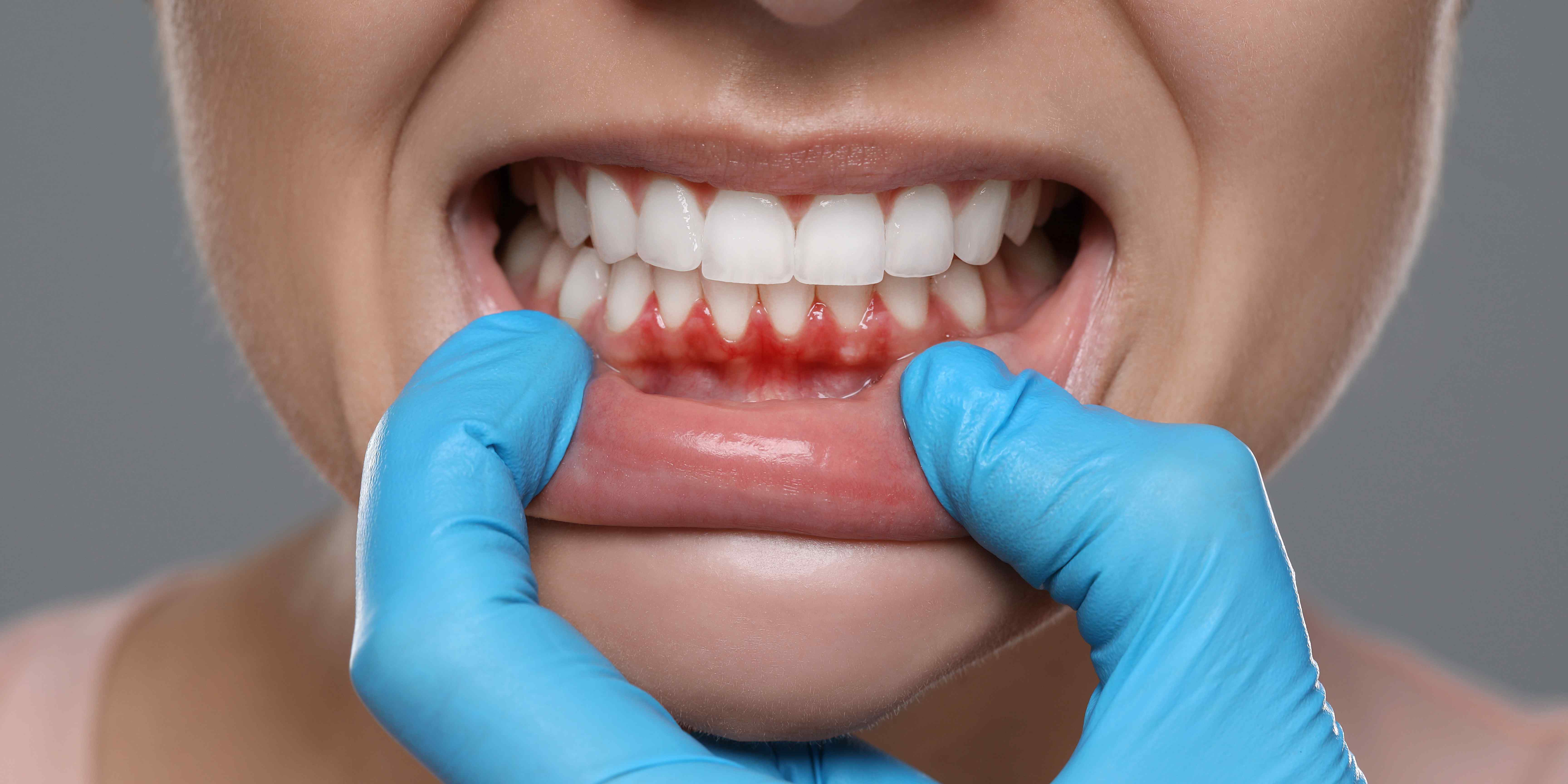
Bleeding gums can be alarming, especially if you notice blood when brushing, flossing, or eating. While occasional gum irritation can happen, bleeding gums are often a sign that your gum tissue is inflamed and needs attention. At W Plus Dental in Washington, DC, we help patients understand the cause of bleeding, swollen, or tender gums and provide personalized care to restore healthier gums and protect long-term oral health. If you have been searching for bleeding gums in Washington DC or wondering whether you need gum disease treatment, this guide explains what may be happening and when to schedule an appointment.
Healthy gums should not bleed regularly. If your gums bleed when you brush or floss, it may be your body’s way of telling you that bacteria, plaque, or inflammation is affecting the gum tissue.
Many patients assume bleeding gums are caused by brushing too hard, and while aggressive brushing can irritate the gums, frequent bleeding is commonly linked to gingivitis or gum disease. The good news is that when gum issues are caught early, treatment is often more conservative and effective.
Bleeding gums can happen for several reasons. Some causes are minor, while others require professional dental care.
Gingivitis is the earliest stage of gum disease. It occurs when plaque builds up along the gumline, causing inflammation. Common signs of gingivitis include:
Gingivitis is usually reversible with professional dental cleanings and improved home care.
If gingivitis is not treated, it can progress into periodontal disease, also known as gum disease. This condition affects the tissues and bone that support the teeth. Over time, untreated gum disease can lead to gum recession, loose teeth, bone loss, and even tooth loss.
Patients seeking gum disease treatment in Washington, DC often come in after noticing bleeding, swelling, tenderness, or changes in the way their gums look or feel.
Plaque is a sticky film of bacteria that forms on the teeth every day. If it is not removed with brushing, flossing, and professional cleanings, it can harden into tartar. Tartar cannot be removed at home and can irritate the gums, causing bleeding and inflammation.
Routine visits for dental checkups and cleanings are one of the best ways to prevent plaque and tartar from causing gum problems.
Using a hard-bristled toothbrush or brushing with too much pressure can irritate the gums. Flossing too forcefully may also cause temporary bleeding. However, if bleeding continues after improving your technique, it is important to schedule a dental exam.
If you recently started flossing again after a long break, your gums may bleed at first because they are inflamed from plaque buildup between the teeth. With consistent flossing and a professional cleaning, this should improve. If it does not, gum disease may be present.
Pregnancy, certain medications, dry mouth, diabetes, and other health factors can make gums more sensitive or prone to inflammation. Your dentist can review your health history and help determine whether these factors may be contributing to bleeding gums.
Bleeding gums are one of the most common signs of gum inflammation, but they are not the only symptom to watch for. You may need gum disease treatment if you notice:
Even if symptoms seem mild, it is best to schedule an exam early. Gum disease can progress quietly, and many patients do not realize how advanced it is until they receive a professional evaluation.
At W Plus Dental, we begin by carefully examining your teeth, gums, and overall oral health. During your visit, we may measure the spaces between your teeth and gums, evaluate areas of bleeding or inflammation, and take dental X-rays if needed to assess bone health. This allows our team to determine whether your bleeding gums are caused by gingivitis, tartar buildup, periodontal disease, or another concern.
The right treatment depends on the cause and severity of your symptoms. At W Plus Dental in Washington, DC, we provide personalized care based on your needs.
If your gums are bleeding because of mild inflammation or plaque buildup, a professional cleaning may be enough to remove irritants and help your gums heal.
For patients with gum disease, scaling and root planing may be recommended. This deep cleaning treatment removes plaque and tartar from below the gumline and smooths the tooth roots to help the gums reattach and heal. You can learn more about our approach to periodontal treatment and how we help manage gum disease.
Your daily routine plays an important role in gum health. We may recommend adjustments to your brushing technique, flossing routine, toothbrush type, or oral hygiene products to help reduce inflammation and prevent future bleeding.
If you have a history of gum disease, regular periodontal maintenance appointments may be needed to keep bacteria under control and protect your gums, teeth, and bone support.
Bleeding gums may improve with better brushing, flossing, and professional cleaning, especially if the cause is early gingivitis. However, if bleeding continues, it should not be ignored. Gum disease does not typically resolve on its own. Without treatment, bacteria can continue to damage the gum tissue and supporting bone. Early care can help prevent more complex dental problems in the future.
You can lower your risk of bleeding gums by staying consistent with preventive care. Brush twice a day with a soft-bristled toothbrush, floss daily, and schedule routine dental cleanings. Avoid tobacco products, stay hydrated, and let your dentist know about any changes in your health or medications.
Most importantly, do not wait until symptoms become painful. Gum disease is easier to treat when caught early.
You should schedule a dental appointment if your gums bleed regularly, feel swollen or tender, or if you notice persistent bad breath, gum recession, or sensitivity. Even small changes can be early signs of gum disease. If you are looking for help with bleeding gums in Washington, DC, W Plus Dental provides thorough exams, preventive care, and personalized gum disease treatment to help restore your oral health.
Bleeding while brushing is often caused by gum inflammation from plaque buildup. It may also happen from brushing too hard, but frequent bleeding can be a sign of gingivitis or gum disease.
If you have not flossed consistently, your gums may bleed because bacteria and plaque have built up between the teeth. With consistent flossing and a professional cleaning, bleeding may improve. If it continues, schedule an exam.
Yes, bleeding gums can be an early sign of gum disease. Swollen, tender, or red gums may also indicate inflammation that needs professional attention.
Yes. Gum disease treatment depends on the severity of the condition. Early gingivitis may improve with professional cleaning and better home care, while more advanced gum disease may require scaling and root planing or ongoing periodontal maintenance.
Ignoring bleeding gums can allow gum disease to progress. Over time, untreated gum disease may lead to gum recession, bone loss, loose teeth, and tooth loss.
The first step is identifying the cause. Brushing gently with a soft toothbrush, flossing daily, and scheduling a dental cleaning can help. If bleeding continues, a dental evaluation is needed to check for gum disease.
W Plus Dental provides gum evaluations, preventive cleanings, scaling and root planing, and periodontal care in Washington, DC. Our team can help determine the cause of your bleeding gums and recommend the right treatment.
Bleeding gums are common, but they should not be ignored. If your gums bleed, feel swollen, or seem tender, W Plus Dental is here to help.
Schedule an appointment today for a comprehensive dental exam and personalized gum disease treatment in Washington, DC. Our team will evaluate your symptoms, explain your options, and help you take the next step toward healthier gums and a healthier smile.
Contact us or schedule your appointment online to experience trusted dental care in Washington DC.
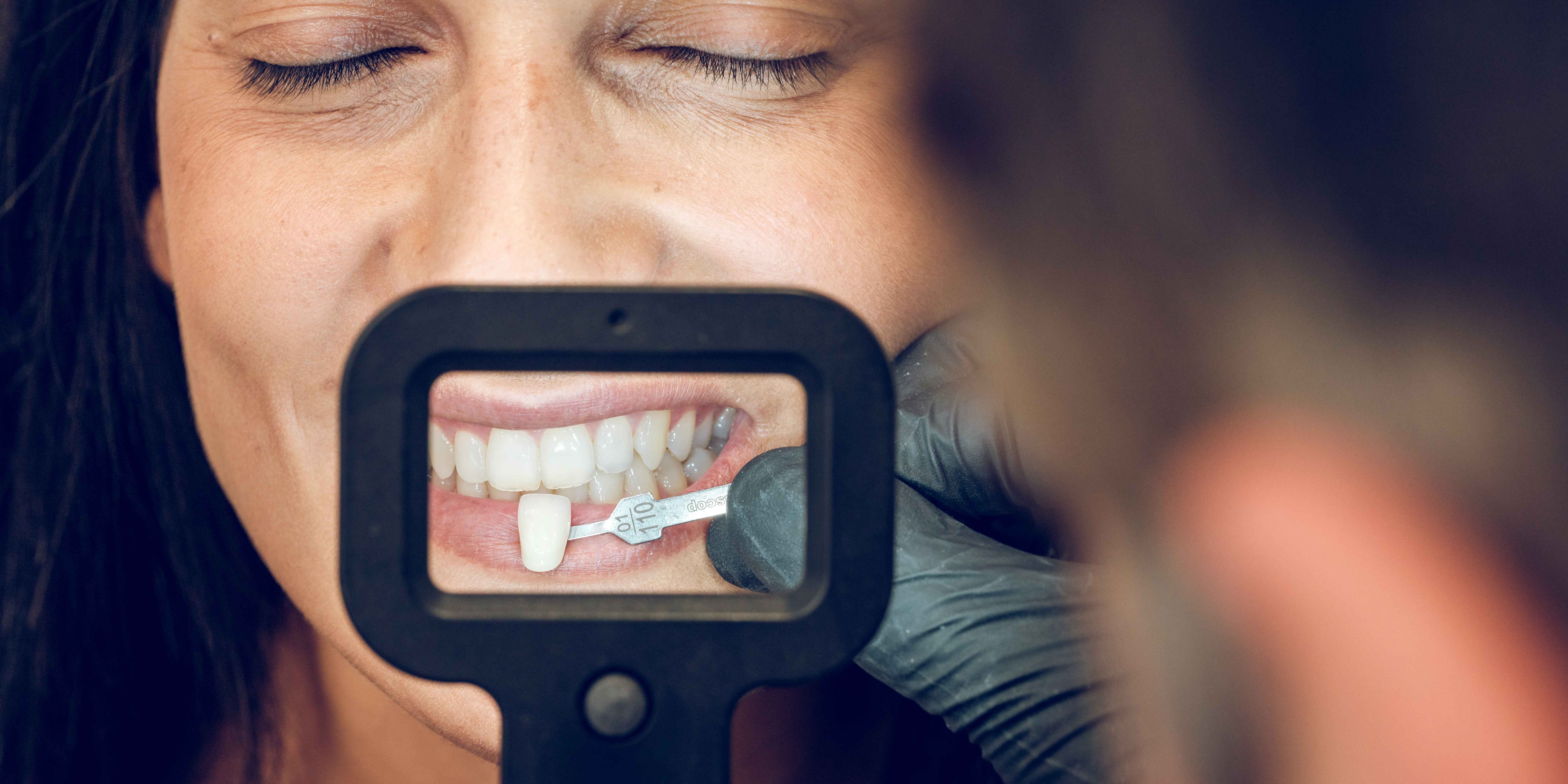
Considering porcelain veneers? Learn what to expect before, during, and after veneer treatment.
Read More
Can gum disease be reversed? The answer depends on how far the condition has progressed. Learn how gingivitis and periodontitis are treated.
Read More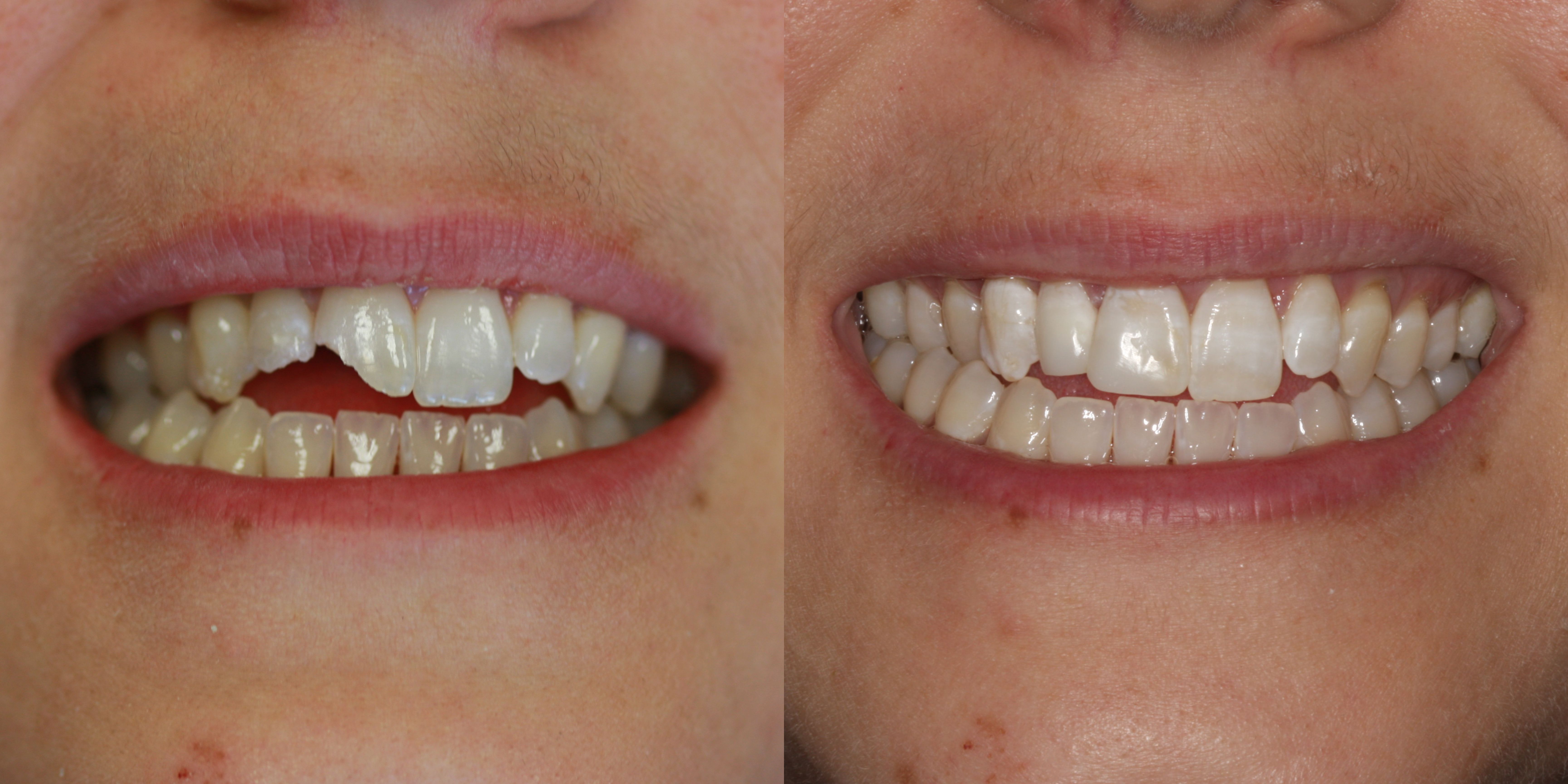
Learn your options for chipped front-tooth repair, including dental bonding, veneers, and crowns.
Read More



We look forward to meeting you. Contact us today to schedule an appointment.
(202) 871-7473Contact@WPlusDental.comMonday-Thursday 8AM - 4PM
Friday8AM - 3PM


