
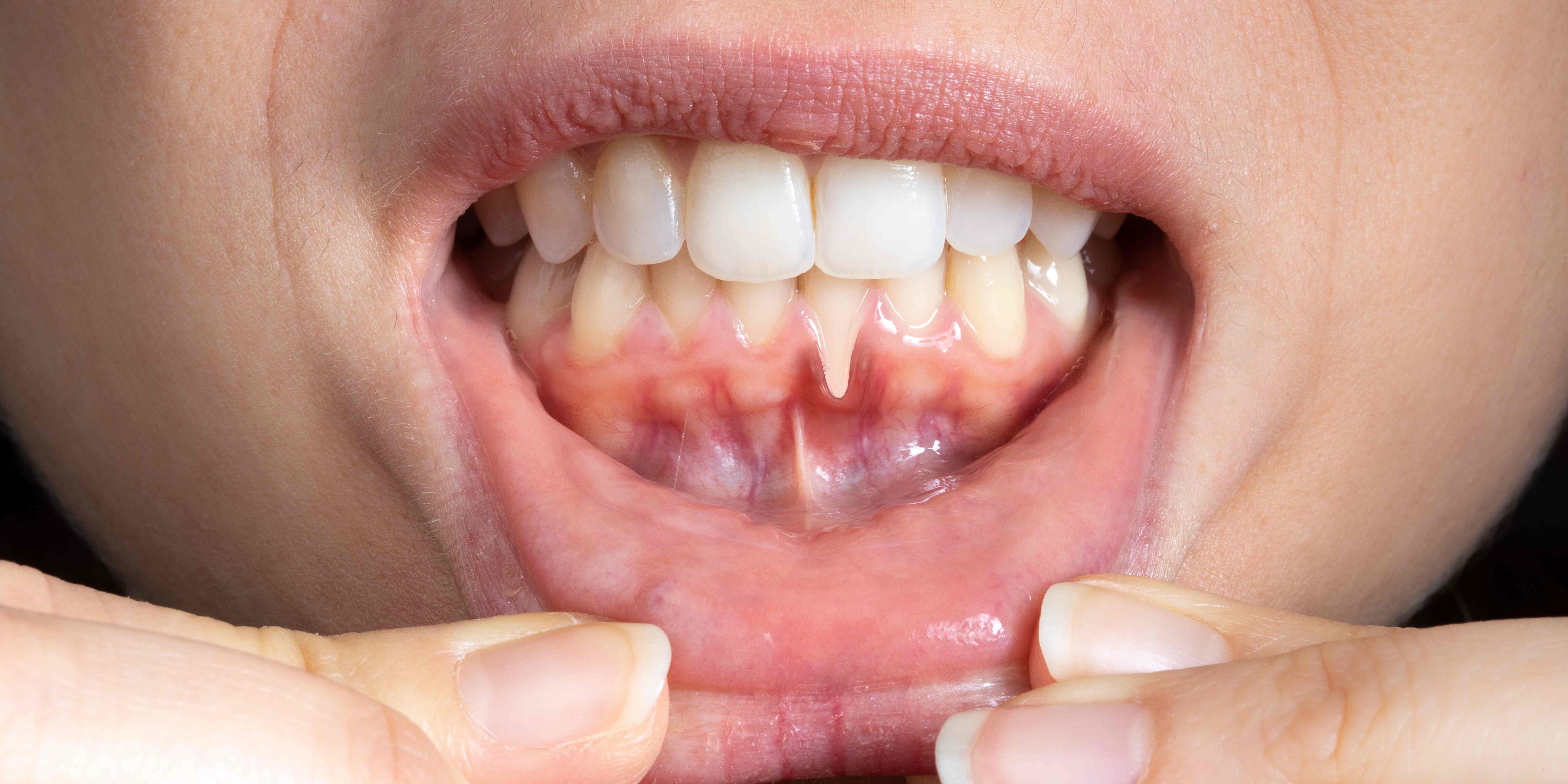
Gum graft surgery can help treat gum recession, protect exposed tooth roots, reduce sensitivity, and strengthen the gum tissue surrounding your teeth. While the procedure is an important part of restoring your gum health, what you do after surgery can have a major effect on the healing process.
Following your gum grafting post-op instructions carefully helps protect the newly placed tissue and gives the graft the best opportunity to heal successfully.
At W Plus Dental in Washington, DC, we provide personalized post-operative instructions based on the type of graft performed, the location of the treatment, and your individual needs. The information below offers a general overview of what you may experience after gum graft surgery. Always follow the specific directions given to you by your dental provider, even when they differ from general recommendations.
Gum graft surgery is a periodontal procedure used to add tissue to an area where the gums have become thin or receded. Depending on the technique used, the tissue may come from the roof of your mouth, another area of your gums, or a medically processed donor source.
The graft is carefully positioned over or around the affected area and secured with sutures. This can help:
Your follow-up appointments are an important part of your recovery and treatment success. Please return for re-evaluation as instructed and keep all scheduled follow-up visits directed by your doctor. During these appointments, we will assess your healing, address any concerns, and confirm that your recovery is progressing as expected.
Most patients feel significantly better within one to two weeks. Healing time may be longer when several teeth were treated or when tissue was taken from the roof of the mouth. The graft may continue maturing for several weeks or months after you feel comfortable again.
Most patients experience manageable soreness, tenderness, or tightness. The donor site on the roof of the mouth may feel more sensitive than the grafted area. Your dentist will recommend or prescribe medication to help control discomfort.
Do not use an over-the-counter mouthwash during the first two weeks unless it has been specifically approved by your dentist. Many commercial mouthwashes contain alcohol or other ingredients that may sting or irritate healing tissue. When a prescription antimicrobial rinse is provided, use it exactly as directed. Do not swish aggressively. Instead, gently move the rinse around your mouth and allow it to fall from your mouth without forceful spitting. Post-operative mouth-rinse recommendations can vary based on the procedure and provider. Your personalized instructions should always take priority.
Many patients return to non-physical work within one or two days, although this varies based on the number of areas treated and the type of work performed. Patients with physically demanding jobs may need additional time or modified duties.
Do not brush the surgical site until your dentist confirms that it is safe. Many patients are instructed to avoid brushing the graft for approximately two weeks. When brushing resumes, you may need to use an extra-soft toothbrush and a gentle technique.
Avoid hot coffee immediately after surgery because heat may irritate the area and contribute to bleeding. Once your dentist permits it, coffee should be allowed to cool before drinking. Do not use a straw.
You can talk, but excessive talking may pull on the lips, cheeks, and surgical tissue. Keep talking to a minimum during the initial recovery period when your dentist has advised you to limit movement around the graft.
Do not pull, cut, or adjust the stitch yourself. Contact your dentist for instructions. A loose stitch does not always mean that the graft has failed, but the area should be assessed.
Many patients begin gradually returning to a more normal diet after one to two weeks. However, your dentist should confirm when the graft is stable enough for hard, crunchy, or chewy foods.
Gradual improvement in pain, swelling, and tenderness is usually a positive sign. The tissue may change color as it heals. The most reliable way to confirm successful healing is through your scheduled post-operative examinations.
Gum recession can return if the area is exposed to aggressive brushing, inflammation, tobacco use, teeth grinding, or other contributing factors. Long-term dental care, proper brushing techniques, and regular professional cleanings can help protect the result.
Receding gums should not be ignored. Without treatment, exposed tooth roots may become increasingly sensitive and vulnerable to decay, wear, and additional tissue loss. W Plus Dental provides personalized evaluation and treatment for patients experiencing gum recession, tooth sensitivity, and other gum health concerns in Washington, DC. We will examine your gums, explain your treatment options, and provide detailed instructions to help you feel prepared before and after your procedure.
If you are concerned about receding gums or have questions about healing after gum graft surgery, contact W Plus Dental to schedule an appointment at our Washington, DC dental office. Schedule your consultation today and take the next step toward healthier, stronger gums.
Contact us or schedule your appointment online to experience trusted dental care in Washington DC.

What should you eat after dental surgery? Learn the best foods and foods to avoid after dental implants, gum grafts, tooth extractions, and other dental procedures..
Click to Read
Considering porcelain veneers? Learn what to expect before, during, and after veneer treatment.
Click to Read
Can gum disease be reversed? The answer depends on how far the condition has progressed. Learn how gingivitis and periodontitis are treated.
Click to Read



We look forward to meeting you. Contact us today to schedule an appointment.
(202) 871-7473Contact@WPlusDental.comMonday-Thursday 8AM - 4PM
Friday8AM - 3PM


