
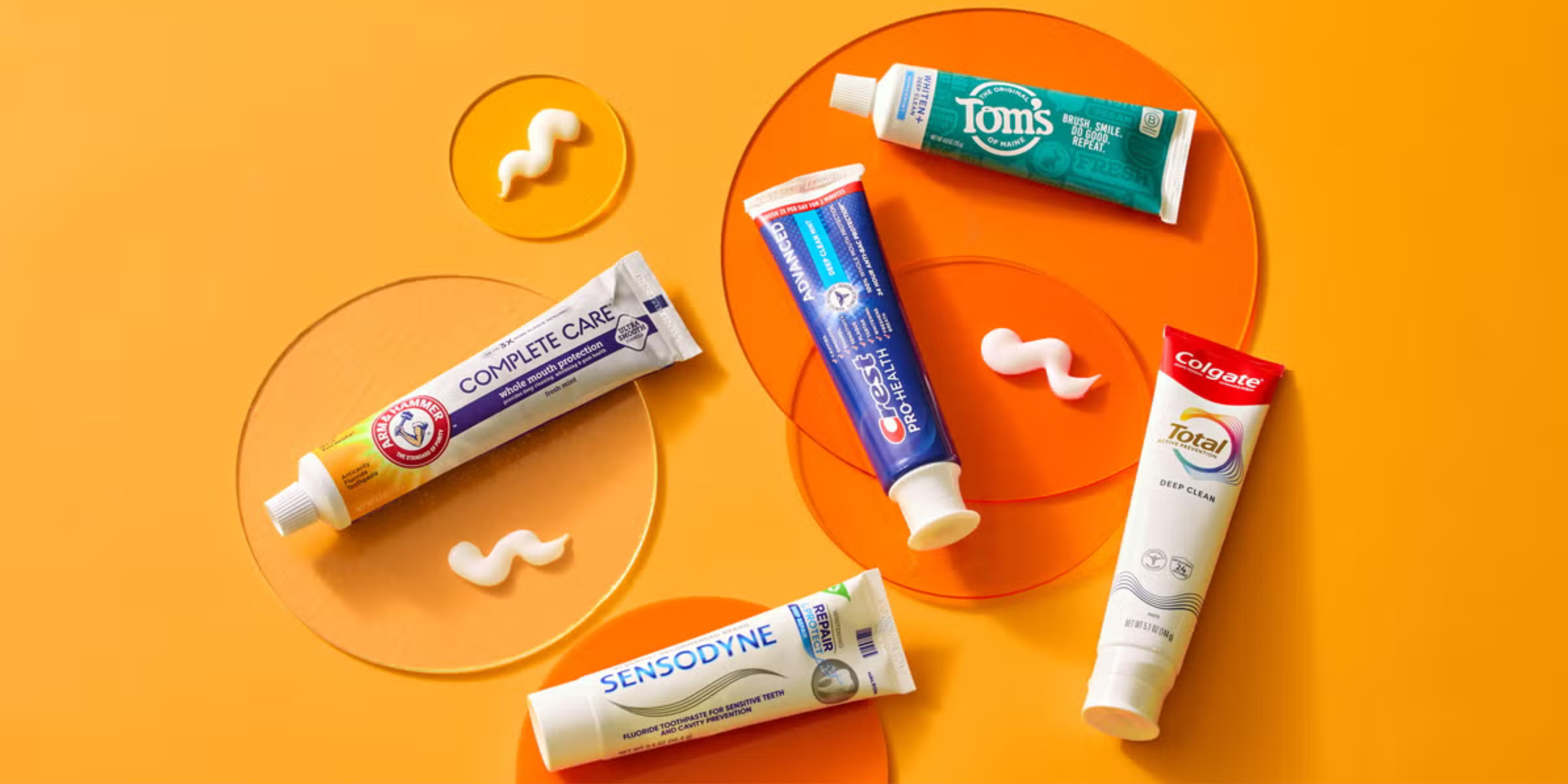
Is your toothpaste actually protecting your teeth, or could it be doing more harm than good?
When you walk down the toothpaste aisle, you're faced with countless options. Whitening toothpaste, fluoride toothpaste, charcoal toothpaste, sensitivity formulas, enamel-repair products, and more. Almost every brand promises a healthier, brighter smile, but how do you know which toothpaste is actually best for your teeth?
The truth is, not all toothpastes are created equal, and the toothpaste you choose can make a difference in your long-term oral health. Some formulas focus on preventing cavities, while others are designed to remove stains, relieve tooth sensitivity, or support gum health. However, certain ingredients and products may not be appropriate for everyone, especially patients experiencing enamel wear, gum recession, or sensitive teeth.
At W Plus Dental in Washington, DC, we believe that maintaining a healthy smile starts with understanding how to care for your teeth at home.
With so many toothpaste products available, understanding what you're putting on your teeth every day is essential. In the video, Dr. Hana Yoon, a dentist at W Plus Dental, explains how to choose the best toothpaste for your teeth, what ingredients to look for, and which products you may want to avoid.
Brushing your teeth twice a day is one of the most important habits for maintaining good oral health. However, using the right toothpaste is just as important as brushing consistently.
Toothpaste does more than freshen your breath. Depending on its ingredients, it can help prevent cavities, strengthen tooth enamel, remove surface stains, reduce tooth sensitivity, and support gum health. But here's something many patients don't realize: The toothpaste that's best for someone else might not be the best toothpaste for you. For example, someone struggling with tooth sensitivity may benefit from a different formula than someone who is primarily concerned about preventing cavities or removing coffee stains.
Understanding the differences between toothpaste ingredients can help you make informed decisions about your dental health.
When choosing a toothpaste, fluoride is one of the first ingredients you should look for.
Fluoride is a naturally occurring mineral that helps strengthen tooth enamel and protect against cavities.
Throughout the day, bacteria in your mouth produce acids that can weaken enamel. Fluoride helps support remineralization, a natural process that replaces minerals lost from the tooth surface.
Benefits of fluoride toothpaste include:
For most adults, brushing twice daily with a fluoride toothpaste is one of the simplest and most effective ways to protect their teeth.
Another important factor to consider when choosing toothpaste is whether it has earned the American Dental Association (ADA) Seal of Acceptance.This seal indicates that the product has met the ADA's requirements for safety and effectiveness for its stated claims. Toothpastes with the ADA Seal that claim cavity protection must contain fluoride and meet established standards for abrasivity. Looking for the ADA Seal can make it easier to find toothpaste products supported by scientific evidence rather than relying solely on advertising claims.
Do your teeth hurt when you drink cold water, eat ice cream, or consume hot beverages? You may benefit from a toothpaste specifically formulated for sensitive teeth.
Sensitivity toothpastes often contain ingredients such as potassium nitrate or stannous fluoride, which can help reduce discomfort associated with exposed dentin. However, it's important to understand that tooth sensitivity isn't always caused by using the wrong toothpaste.
Sensitivity can also be associated with gum recession, exposed tooth roots, cavities, cracks, or other dental conditions. If you're experiencing persistent tooth sensitivity, scheduling a dental examination can help identify the underlying cause.
One of the most important factors to understand when choosing toothpaste is toothpaste abrasiveness. Many patients don't realize that toothpaste contains abrasive particles designed to help remove plaque, debris, and surface stains from teeth.
These ingredients aren't necessarily harmful. In fact, mild abrasives are an important part of how toothpaste cleans your teeth. However, abrasion can become a concern when patients use certain products improperly, brush too aggressively, or already have exposed dentin and existing dental wear.
Toothpaste abrasiveness refers to how strongly the toothpaste's cleaning particles polish or wear tooth surfaces during brushing. A standardized measurement called Relative Dentin Abrasivity (RDA) is used to evaluate toothpaste abrasiveness.
According to the American Dental Association, toothpaste with an RDA value of 250 or less is considered safe and effective when used with proper brushing techniques. Importantly, a lower RDA value does not automatically mean a toothpaste is safer for your enamel. Toothpaste safety depends on several factors, including how the product is formulated and how you brush.
Your enamel is the protective outer layer of your teeth. Although enamel is extremely strong, it cannot naturally regenerate once it has been permanently lost. Excessive brushing pressure, improper brushing techniques, and existing dental conditions can contribute to tooth wear.
For patients with exposed tooth roots or sensitive teeth, choosing an appropriate toothpaste and using gentle brushing techniques can be particularly important. If you've noticed increased tooth sensitivity, yellowing near your gumline, or visible tooth wear, your dentist can help determine whether your brushing habits or toothpaste may be contributing to the problem.
Whitening toothpaste is one of the most popular dental care products on the market. Who doesn't want a brighter smile? However, it's important to understand how whitening toothpaste works and what results you can realistically expect.
Most whitening toothpastes are designed to remove surface stains caused by everyday habits such as drinking coffee, tea, or red wine. Many contain polishing agents that help remove discoloration from the outer surface of your teeth. Some formulas also contain whitening ingredients such as peroxide. Unlike professional teeth whitening treatments, many whitening toothpastes primarily remove external stains rather than significantly changing your natural tooth color.
Many whitening toothpastes are safe for daily use when used according to the manufacturer's directions. However, not every whitening formula is ideal for every patient. If you already experience significant sensitivity, enamel wear, or gum recession, it's important to choose a product appropriate for your specific needs.
With so many toothpaste trends circulating online, it's easy to assume that a product is beneficial simply because it's popular. However, not every trending toothpaste ingredient has strong scientific evidence supporting its claims.
Charcoal toothpaste has become increasingly popular because of claims that it can naturally whiten teeth. These products often use activated charcoal to help remove surface stains. However, research has not established that charcoal-based toothpaste provides superior whitening benefits with adequate evidence of safety and effectiveness.
Some toothpaste brands advertise themselves as natural or fluoride-free. Although these products may appeal to certain consumers, removing fluoride from your daily brushing routine means giving up an ingredient with extensive evidence supporting cavity prevention. For most patients, a fluoride-containing toothpaste remains the recommended choice.
Social media is filled with homemade teeth whitening suggestions, including mixtures involving lemon juice, vinegar, baking soda, and other household ingredients. Some of these approaches can expose teeth to unnecessary acidity or abrasion. Acidic substances can contribute to enamel erosion, while abrasive homemade mixtures may cause additional wear when used improperly. Rather than experimenting with unproven whitening methods, speak with your dentist about safe and effective ways to brighten your teeth.
The best toothpaste depends on your oral health, dental history, and specific concerns.
For most patients, an ADA-Accepted fluoride toothpaste is an excellent starting point. Fluoride helps strengthen enamel and protect against tooth decay. Patients with a higher risk of cavities may benefit from additional preventive treatments or prescription-strength fluoride toothpaste recommended by their dentist.
If you experience sensitivity to hot or cold foods and beverages, look for toothpaste specifically designed to relieve sensitivity. Ingredients such as potassium nitrate and stannous fluoride may help reduce discomfort. If your sensitivity persists or worsens, visit your dentist to determine whether additional treatment is necessary.
If your main goal is removing everyday surface stains, consider an ADA-Accepted whitening toothpaste. However, if you're looking for a more noticeable improvement in tooth color, professional whitening treatments may provide better results.
For patients concerned about plaque buildup or gingivitis, certain toothpaste formulas contain ingredients designed to help reduce plaque bacteria and gingival inflammation. However, toothpaste alone cannot treat advanced periodontal disease.
If you experience bleeding gums, persistent bad breath, or gum recession, a professional periodontal evaluation may be necessary.
Even the best toothpaste won't provide optimal results if you're brushing incorrectly. The American Dental Association recommends brushing twice daily for two minutes using a soft-bristled toothbrush and fluoride toothpaste.
You should also clean between your teeth daily and schedule regular dental checkups and professional cleanings. Avoid brushing aggressively or using excessive pressure. Brushing harder doesn't necessarily mean you're cleaning better.
In fact, improper brushing habits can contribute to gum irritation and tooth wear. A consistent oral hygiene routine, combined with an appropriate toothpaste and regular preventive dental care, is one of the best ways to protect your smile.
For most patients, dentists recommend a fluoride toothpaste with the ADA Seal of Acceptance. However, the best toothpaste for you depends on your individual dental needs, including cavity risk, sensitivity, enamel health, and gum health.
Toothpaste contains mild abrasives to help clean teeth and remove stains. Toothpastes that meet established abrasivity standards are generally safe when used correctly. However, aggressive brushing techniques and other contributing factors can lead to dental wear.
Many whitening toothpastes are safe for daily use when used as directed. However, patients with existing sensitivity, exposed dentin, or dental wear should speak with their dentist about which products are most appropriate.
Toothpastes containing desensitizing ingredients such as potassium nitrate or stannous fluoride may help relieve sensitivity. Persistent tooth sensitivity should be evaluated by a dentist to rule out cavities, cracked teeth, gum recession, or other dental problems.
For most patients, fluoride toothpaste is recommended because fluoride helps strengthen enamel and prevent tooth decay. Fluoride-free toothpaste does not provide the same established cavity-prevention benefits.
You don't necessarily need to change toothpaste regularly if your current product meets your needs. However, changes in your dental health, such as increased sensitivity, gum recession, or a higher risk of cavities, may require a different formulation.
Your dentist can help determine whether it's time to switch products.
Absolutely! During your dental examination, your dentist can evaluate your teeth and gums, discuss your oral hygiene habits, and recommend products based on your individual dental needs.
Choosing the right toothpaste is an important part of protecting your smile, but maintaining excellent oral health involves more than just brushing.
At W Plus Dental in Washington, DC, our experienced dental team is dedicated to helping patients achieve healthier teeth and gums through personalized, comprehensive dental care. Whether you're experiencing tooth sensitivity, concerned about enamel wear, looking for professional teeth whitening, or simply due for your next dental checkup, we're here to help.
Dr. Hana Yoon and the team at W Plus Dental provide preventive, cosmetic, and restorative dental care tailored to each patient's individual needs. Our dental services include routine dental exams and cleanings, cavity prevention, professional teeth whitening, tooth-colored fillings, periodontal treatment, and comprehensive oral health evaluations.
Conveniently located in the heart of Washington, DC, W Plus Dental welcomes patients looking for high-quality, personalized dental care.
Not sure if you're using the right toothpaste? Let our dental team help you find the best products and oral care routine for your smile.
Call: 202-871-7473
Schedule your appointment today and take the next step toward healthier teeth and gums!
Contact us or schedule your appointment online to experience trusted dental care in Washington DC.

Discover the best and worst candy for your teeth. We explain which sweets cause cavities and how to protect your smile.
Click to Read
What should you eat after dental surgery? Learn the best foods and foods to avoid after dental implants, gum grafts, tooth extractions, and other dental procedures..
Click to Read
Considering porcelain veneers? Learn what to expect before, during, and after veneer treatment.
Click to Read



We look forward to meeting you. Contact us today to schedule an appointment.
(202) 871-7473Contact@WPlusDental.comMonday-Thursday 8AM - 4PM
Friday8AM - 3PM


