

For many patients, scheduling a professional dental cleaning every six months is a good starting point. However, there is no single cleaning schedule that is right for everyone. Some people with consistently healthy teeth and gums may be able to maintain their oral health with routine visits once or twice a year. Other patients may need cleanings every three to four months because of gum disease, frequent cavities, heavy tartar buildup, dry mouth, or other risk factors.
The best way to determine how often you need a dental cleaning is to have your teeth and gums evaluated by a dentist. At W Plus Dental, we create a preventive care schedule based on your current oral health rather than automatically recommending the same schedule for every patient.
If you are searching for a dental cleaning in Washington, DC, our team can help you protect your teeth, improve your gum health, and identify potential dental problems before they become more complicated.
Most adults are encouraged to visit the dentist regularly, with many patients scheduling a dental cleaning approximately every six months. This allows the dental team to remove plaque and tartar, examine the teeth and gums, and monitor for changes between appointments.
However, professional recommendations increasingly emphasize personalized preventive care. The American Dental Association notes that dental recommendations may be adjusted based on a patient’s individual risk for cavities, gingivitis, and other oral health concerns.
A typical cleaning schedule may look like this:
A cleaning every six months may be appropriate for patients who:
More frequent visits may be recommended for patients who:
Patients who have been treated for periodontitis generally require a more intensive maintenance and evaluation schedule than patients without a history of the disease.
Even with excellent brushing and flossing, it is difficult to remove every trace of plaque from your teeth. Plaque can collect along the gumline, between the teeth, and in areas that are difficult to reach with a toothbrush.
When plaque is not thoroughly removed, it can harden into tartar, also called calculus. Once tartar has formed, it cannot be removed with normal brushing or flossing. It must be removed during a professional dental cleaning.
Regular dental cleanings help:
Routine dental visits also give your dentist an opportunity to check for cavities, gum disease, worn dental restorations, abnormal tissue, and other changes that may not be visible or painful yet. The CDC recognizes routine dental visits as an opportunity for preventive care and the early detection of cavities, periodontal disease, and oral cancer.
A routine dental cleaning is usually completed by a dental hygienist and may be combined with a comprehensive or periodic dental examination.
Your appointment may include the following steps:
Your hygienist and dentist will examine your teeth, gums, bite, and existing dental restorations. They may also measure the spaces between your teeth and gums to look for signs of periodontal disease.
Dental X-rays may be recommended when clinically necessary, but they are not automatically required at every cleaning.
Specialized dental instruments are used to carefully remove plaque and hardened tartar from the surfaces of your teeth and around the gumline.
Your teeth may be polished to smooth the surfaces and remove some external stains caused by coffee, tea, food, or tobacco.
The hygienist will clean between your teeth and may provide personalized advice about brushing, flossing, water flossers, electric toothbrushes, or other oral hygiene products. The ADA recommends brushing twice a day with fluoride toothpaste and cleaning between the teeth daily.
Learn more about what to expect on our Dental Checkups and Cleanings page.
You may be overdue for a dental cleaning if it has been more than six months since your last appointment, particularly if your dentist previously recommended twice-yearly visits.
Other signs that it may be time to schedule include:
Do not wait for your teeth to hurt before scheduling an appointment. Cavities and gum disease can progress without causing noticeable pain during their early stages.
A routine dental cleaning and a deep cleaning are not the same procedure.
A routine cleaning is preventive care for patients who do not have active periodontal disease. It primarily removes plaque and tartar from the teeth and around the normal gumline.
A deep cleaning, also known as scaling and root planing, is used to treat gum disease. It removes plaque and tartar from above and below the gumline and cleans the root surfaces of the teeth. When gum disease causes the gums to pull away from the teeth, deeper spaces called periodontal pockets can form. Bacteria and tartar can collect inside these pockets where regular brushing and a routine cleaning may not be sufficient.
Your dentist will evaluate your gums and explain which type of cleaning is appropriate. A patient who needs scaling and root planing should not delay treatment by requesting a routine cleaning instead.
Your recommended cleaning schedule may change over time. Factors that can increase your need for professional preventive care include:
Once a patient has experienced periodontitis, they remain at increased risk for future periodontal damage. More frequent maintenance appointments can help the dental team monitor gum health and control bacterial buildup.
Patients who repeatedly develop tooth decay may benefit from more frequent examinations, professional fluoride treatments, dietary guidance, or changes to their home-care routine.
Catching decay early may allow the tooth to be restored with a conservative Dental Filling. Larger areas of damage may require a Dental Crown.
Saliva helps wash away food particles and neutralize acids. Dry mouth may be related to medications, dehydration, medical conditions, or other factors. Without enough saliva, the risk of cavities and oral irritation may increase.
Implants, bridges, crowns, and other restorations require proper daily cleaning and professional monitoring. Your hygienist can show you how to clean around these areas effectively.
Tobacco use can increase the risk of gum disease and may make inflammation more difficult to notice. Patients who smoke may require closer monitoring of their teeth, gums, and oral tissues.
Brackets, wires, retainers, and other orthodontic appliances can make it more difficult to remove plaque. Additional cleanings may be recommended while you are completing treatment.
Brushing and flossing are essential, but they do not replace professional dental cleanings.
Your daily routine removes plaque before it hardens and helps control the bacteria that contribute to cavities and gum inflammation. However, tartar that has already formed must be removed by a dental professional.
For better oral health between appointments:
Professional care and consistent home care work together. One cannot completely replace the other.
There is no need to feel embarrassed. Dental teams regularly see patients who have delayed care because of anxiety, finances, a busy schedule, relocation, or a previous negative experience. Your first visit back will typically focus on understanding your current oral health. Your dentist may recommend X-rays, a gum evaluation, and either a routine cleaning or periodontal treatment.
Depending on the amount of buildup and the condition of your gums, your treatment may need to be completed in more than one appointment. The goal is to restore your oral health and create a realistic plan moving forward, not to judge how long it has been since your last visit.
When people search online for a “dentist near me,” they are often looking for a dental office that is convenient, trustworthy, and able to provide comprehensive care in one location. W Plus Dental provides professional dental cleanings and preventive dental care in Washington, DC. Our team evaluates your teeth and gums, explains any findings clearly, and recommends a cleaning schedule based on your individual needs.
In addition to preventive care, we provide restorative, cosmetic, implant, and emergency dentistry. When a concern is discovered during your cleaning, you can receive a clear explanation of your options without needing to visit multiple offices.
Explore our:
Many adults schedule professional dental cleanings every six months. However, your dentist may recommend visits every three to four months if you have gum disease, frequent cavities, heavy tartar buildup, or other oral health risk factors.
For many patients, six-month appointments make it easier to manage plaque and tartar and detect dental problems early. However, the ideal interval should be based on your individual oral health rather than a universal rule.
A routine dental cleaning often takes approximately 45 to 60 minutes. The appointment may take longer if you have significant buildup, need X-rays, are a new patient, or require a more detailed examination.
A routine cleaning should not be painful, although patients with sensitive teeth, inflamed gums, or significant tartar buildup may experience temporary discomfort. Tell your hygienist about any sensitivity so the appointment can be adjusted for your comfort.
A cleaning can remove some surface stains and make your teeth look brighter, but it does not change the natural color of your enamel. Patients interested in a more noticeable improvement may consider Professional Teeth Whitening.
Skipping cleanings allows plaque and tartar to continue accumulating. Over time, this may increase your risk of cavities, gingivitis, periodontal disease, bad breath, and more extensive dental treatment.
Yes. Bleeding gums may be caused by inflammation, plaque buildup, gingivitis, or more advanced gum disease. A dental evaluation can determine whether you need a routine cleaning or periodontal treatment.
You should schedule an evaluation as soon as possible, but a cleaning alone may not address the source of the pain. Toothaches can be related to decay, infection, cracks, gum problems, or other conditions. Visit our Emergency Dental Care page if you are experiencing significant pain or swelling.
W Plus Dental offers preventive dental cleanings, examinations, and personalized treatment planning in Washington, DC. We welcome patients from Downtown DC, Dupont Circle, Foggy Bottom, West End, Logan Circle, Georgetown, Penn Quarter, Farragut Square, Capitol Hill, Navy Yard, and surrounding communities.
Regular dental cleanings are one of the simplest ways to protect your smile and reduce the likelihood of more complicated dental problems.
Whether you are due for your six-month appointment, concerned about bleeding gums, or returning to the dentist after several years, W Plus Dental is here to help. We will evaluate your teeth and gums, explain what type of cleaning you need, and create a preventive care schedule designed for your oral health. Stop searching for a “dentist near me” and schedule your visit with a trusted Washington, DC dental team.
Contact W Plus Dental today to schedule your professional dental cleaning in Washington, DC.
Contact us or schedule your appointment online to experience trusted dental care in Washington DC.
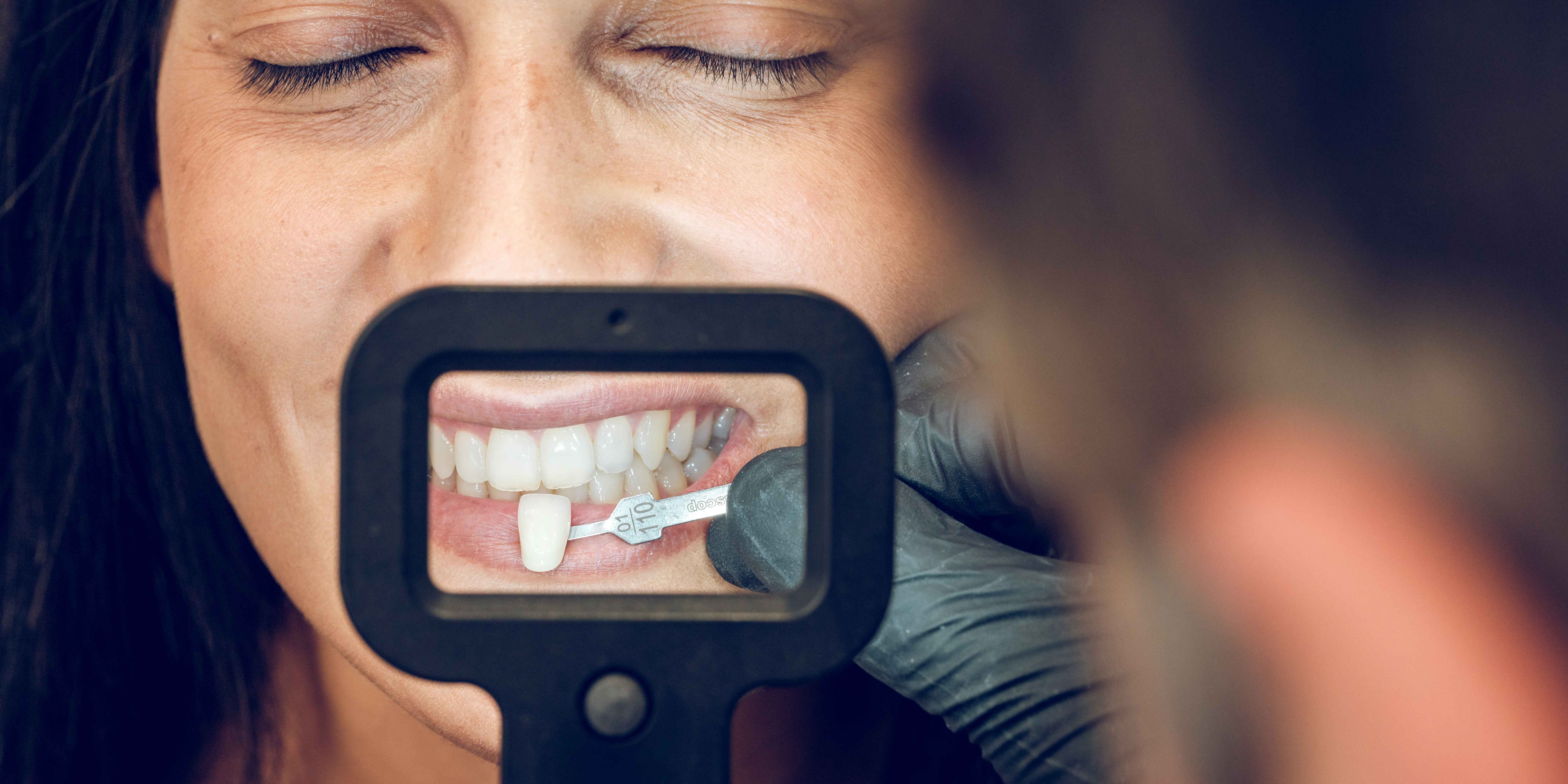
Considering porcelain veneers? Learn what to expect before, during, and after veneer treatment.
Read More
Can gum disease be reversed? The answer depends on how far the condition has progressed. Learn how gingivitis and periodontitis are treated.
Read More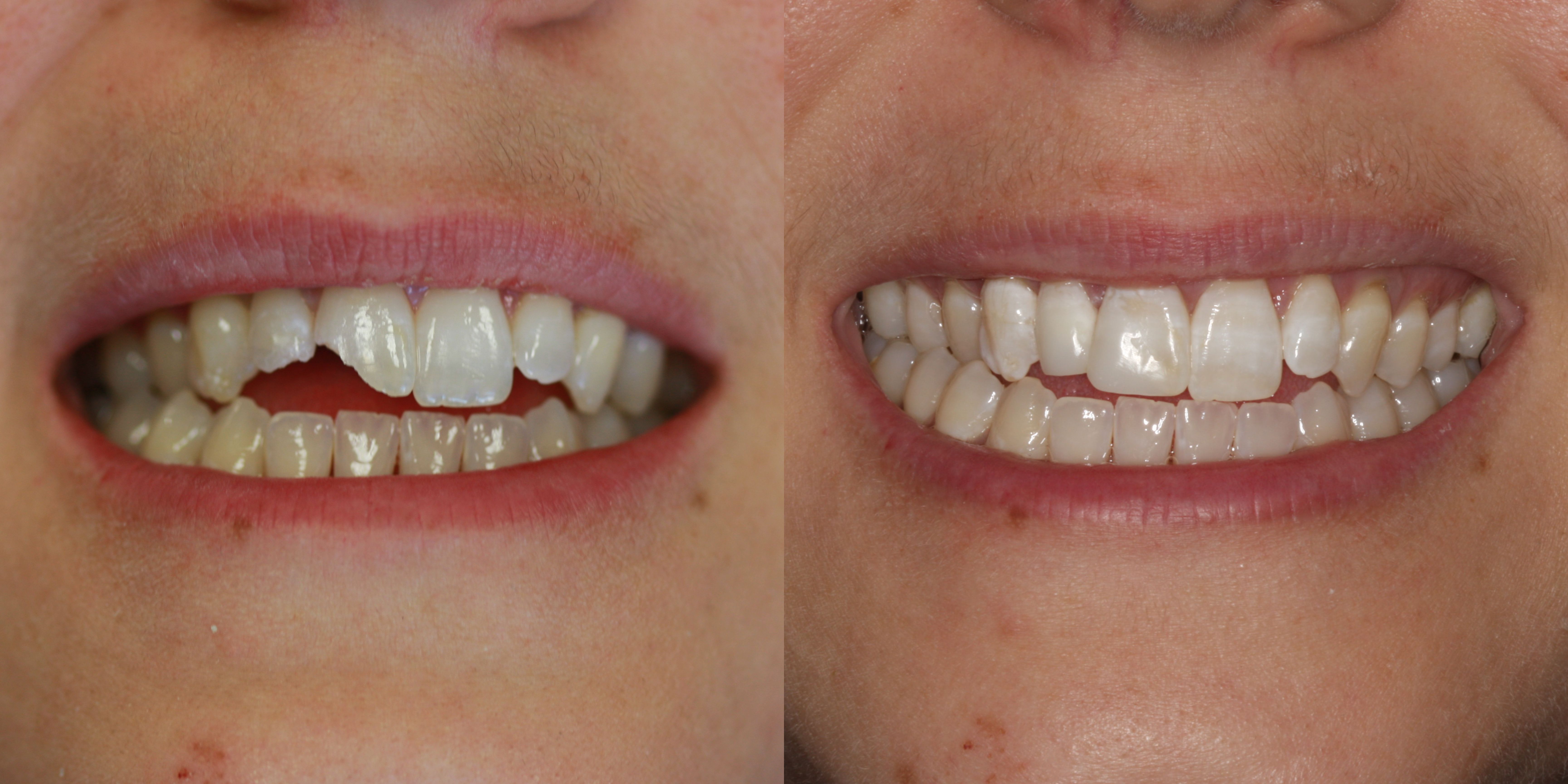
Learn your options for chipped front-tooth repair, including dental bonding, veneers, and crowns.
Read More



We look forward to meeting you. Contact us today to schedule an appointment.
(202) 871-7473Contact@WPlusDental.comMonday-Thursday 8AM - 4PM
Friday8AM - 3PM


