

If you want to improve the appearance of your smile, veneers and dental bonding are two of the most popular cosmetic dentistry options. Both treatments can help correct chips, discoloration, uneven tooth shape, small gaps, and other cosmetic concerns, but they are not the same. Dental bonding is often a more conservative and affordable option for minor smile improvements, while veneers may be a better choice for patients who want a longer-lasting and more dramatic smile transformation.
At W Plus Dental in Washington, DC, we help patients choose the cosmetic treatment that best fits their goals, dental health, timeline, and budget. If you are comparing veneers in Washington DC and dental bonding in DC, this guide can help you understand the difference.
Dental veneers are thin, custom-made shells that are placed on the front surface of the teeth to improve their appearance. Veneers are commonly used to enhance the color, shape, size, and symmetry of the smile.
Veneers may be a good option for patients who want to improve:
Porcelain veneers are especially popular because they are strong, stain-resistant, natural-looking, and customized to blend beautifully with your smile.
Dental bonding is a cosmetic treatment that uses tooth-colored composite resin to repair or enhance the appearance of a tooth. The resin is applied directly to the tooth, shaped by the dentist, hardened, and polished for a natural-looking result.
Dental bonding may be used to improve:
Bonding is often completed in a single visit and usually requires little to no enamel removal. For patients looking for a faster and more conservative cosmetic option, dental bonding can be an excellent choice.
While veneers and bonding can address similar cosmetic concerns, they differ in material, durability, preparation, cost, and overall result.
Veneers are usually made from porcelain or ceramic material. They are custom-designed outside the mouth and then bonded to the front of the teeth.
Dental bonding uses composite resin, a tooth-colored material that is applied and shaped directly on the tooth.
Both options can look natural when performed by an experienced cosmetic dentist. Veneers often provide a more polished, long-lasting, and dramatic cosmetic result, especially when treating multiple front teeth.
Dental bonding can look beautiful as well, especially for smaller corrections like repairing a chipped tooth or improving one or two teeth.
Veneers typically require some preparation of the natural tooth structure, depending on the case and type of veneer. This helps create space for the veneer and ensures a natural fit.
Dental bonding is usually more conservative. In many cases, little to no enamel needs to be removed.
Porcelain veneers are generally more durable and more resistant to staining than bonding. With good home care and regular dental visits, veneers can last many years.
Dental bonding is not as strong as porcelain and may be more likely to stain, chip, or wear over time. However, bonding can often be repaired or touched up more easily.
Dental bonding is usually more affordable than porcelain veneers. This makes it a great option for patients who want to make a smaller cosmetic improvement or repair one specific tooth.
Veneers are typically a larger investment because they involve custom materials, detailed smile design, and lab fabrication.
Dental bonding can often be completed in one appointment, depending on how many teeth are being treated.
Veneers usually require multiple steps, including a consultation, smile design, tooth preparation, impressions or digital scans, temporary veneers if needed, and final veneer placement.
Dental bonding may be the better option if you want to correct a minor cosmetic concern without committing to a more involved treatment.
Dental bonding is especially useful for small repairs and subtle smile enhancements.
Veneers may be the better option if you want a more comprehensive smile transformation. Because veneers cover the front surface of the teeth, they can dramatically improve the overall shape, color, length, and symmetry of your smile.
Veneers are often chosen by patients who want a polished, natural-looking, and long-term cosmetic result.
Yes, both veneers and dental bonding can be used to improve chipped teeth. The right option depends on the size of the chip, the location of the tooth, your bite, and your cosmetic goals.
For a small chip, dental bonding may be enough to restore the tooth’s shape. For larger chips, worn edges, or multiple cosmetic concerns, veneers may provide a stronger and more complete result.
At W Plus Dental, we evaluate the tooth carefully to determine whether bonding, veneers, a crown, or another treatment is the best choice.
Veneers and bonding can both help close small gaps between teeth. Dental bonding may be a good option for a small space between one or two teeth. Veneers may be better when gaps are part of a larger cosmetic concern involving tooth size, shape, or symmetry.
If the gaps are larger or related to tooth alignment, Invisalign may also be recommended. In some cases, the best result may come from combining Invisalign with veneers or bonding.
Yes, both treatments can improve the appearance of discolored teeth.
Dental bonding can cover small areas of discoloration or improve the color of a single tooth. Veneers may be better for more noticeable discoloration, deep staining, or a full smile makeover.
If your teeth are healthy and your main concern is overall color, professional teeth whitening may also be an option. Your dentist can help determine whether whitening, bonding, veneers, or a combination of treatments will give you the best result.
Both treatments can look natural when they are carefully planned and customized. The final result depends on the material, color match, tooth shape, and the skill of the dentist.
Porcelain veneers often create the most lifelike and refined result because they reflect light similarly to natural enamel. Dental bonding can also blend well with your smile, especially for smaller repairs.
At W Plus Dental, our goal is to create cosmetic results that look balanced, natural, and personalized to your face and smile.
The best way to choose between veneers and dental bonding is to schedule a consultation with a cosmetic dentist. During your visit, your dentist can evaluate your teeth, bite, gum health, enamel, and smile goals.
Before choosing a treatment, ask yourself:
These questions can help guide your decision, but your dentist’s evaluation is the most important step.
Visit our Smile Gallery to see real patient transformations completed at W Plus Dental
If you are deciding between veneers and dental bonding, W Plus Dental can help you understand your options and choose the treatment that fits your smile. Whether you want to repair a chipped tooth, close a small gap, brighten discoloration, or completely transform your smile, our team provides personalized cosmetic dentistry in Washington, DC.
Contact W Plus Dental today to schedule your cosmetic consultation and take the next step toward a confident, natural-looking smile.
Veneers are not always better than dental bonding. Veneers may be better for a long-lasting smile makeover, while bonding may be better for small chips, minor gaps, or conservative cosmetic improvements. The right choice depends on your smile goals and dental health.
Yes, dental bonding is usually less expensive than porcelain veneers. Bonding is often a good option for patients who want to improve one or two teeth without making a larger investment in veneers.
Dental bonding can last for several years with good care, but it may need touch-ups or replacement over time. Bonding is more likely to stain, chip, or wear compared to porcelain veneers.
Porcelain veneers can last many years with proper care, regular dental visits, and healthy habits. Longevity depends on your bite, oral hygiene, diet, and whether you grind or clench your teeth.
In some cases, yes. Bonding can be a great alternative to veneers for minor chips, small gaps, or subtle shape changes. However, veneers may be recommended for more dramatic or long-lasting cosmetic improvements.
Veneers often require some enamel preparation, which means the treatment may not be reversible. This is why it is important to work with a cosmetic dentist who can determine whether veneers are appropriate for your smile.
Dental bonding is typically comfortable and often does not require anesthesia unless it is being used to repair a cavity or deeper tooth damage.
Veneers and bonding can improve the appearance of slightly uneven or mildly misaligned teeth. If the teeth are more crowded or the bite needs correction, Invisalign may be a better option.
A good candidate for veneers typically has healthy teeth and gums, enough enamel for bonding, and cosmetic concerns such as discoloration, chips, gaps, or uneven tooth shape. A consultation is needed to confirm candidacy.
W Plus Dental offers cosmetic dentistry in Washington, DC, including veneers, dental bonding, Invisalign, teeth whitening, crowns, and smile makeover options. Our team can help you choose the right treatment for your smile goals.
Contact us or schedule your appointment online to experience trusted dental care in Washington DC.
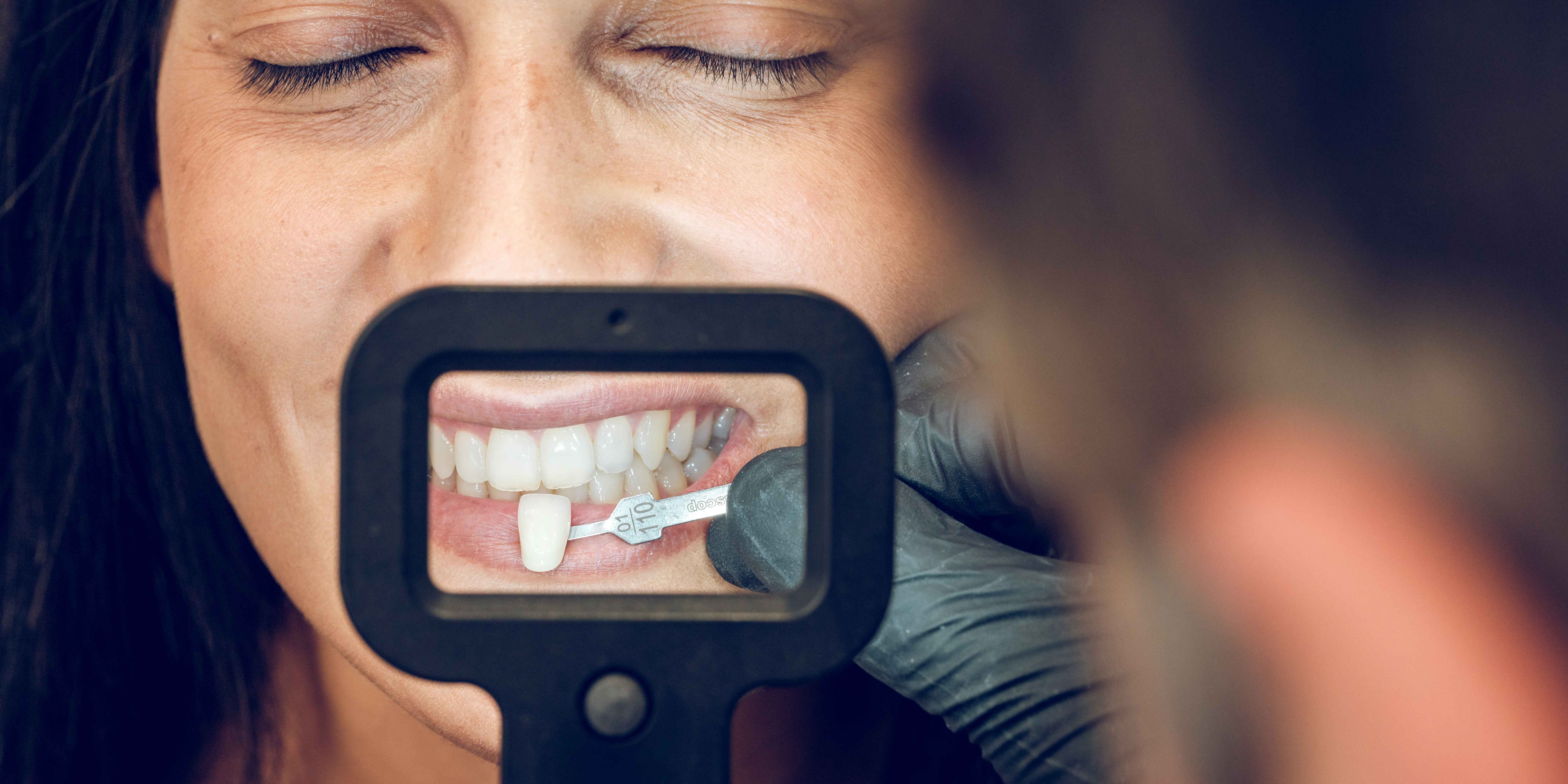
Considering porcelain veneers? Learn what to expect before, during, and after veneer treatment.
Read More
Can gum disease be reversed? The answer depends on how far the condition has progressed. Learn how gingivitis and periodontitis are treated.
Read More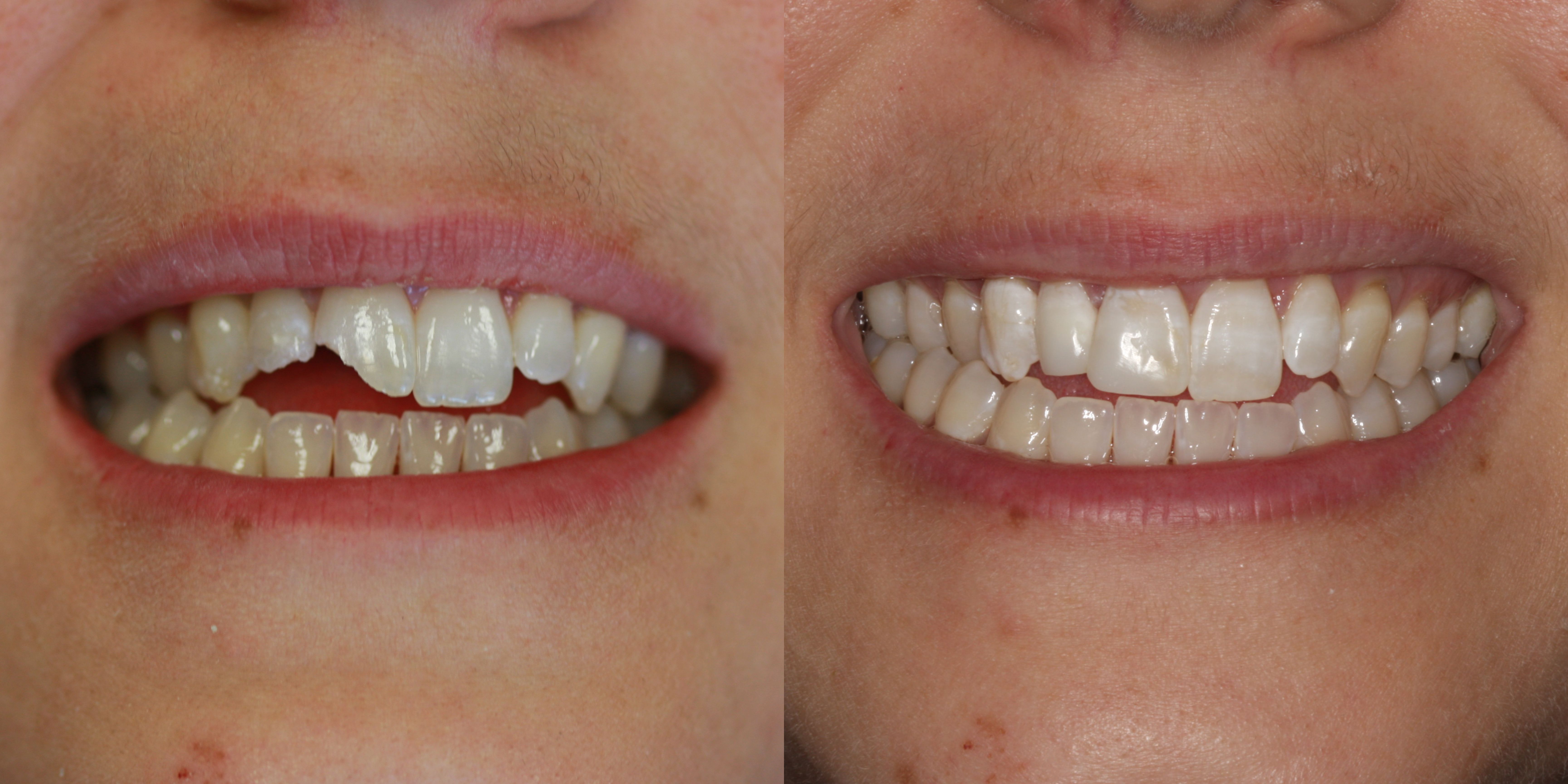
Learn your options for chipped front-tooth repair, including dental bonding, veneers, and crowns.
Read More



We look forward to meeting you. Contact us today to schedule an appointment.
(202) 871-7473Contact@WPlusDental.comMonday-Thursday 8AM - 4PM
Friday8AM - 3PM


